
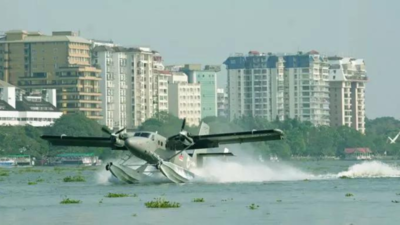
The seaplane project in Kerala is generating important debate. Launched by the Left Democratic Front government, it aims to enhance domestic tourism. However, it faces opposition from environmentalists and local fishing communities. These groups express concerns over the project’s ecological impact and its effect on local livelihoods. The project had previously been stalled for over a decade due to similar apprehensions.
Project Overview
The seaplane initiative is part of the civil aviation ministry’s UDAN scheme. A recent trial flight demonstrated its potential for boosting tourism. Officials claim it will improve connectivity to remote areas and create job opportunities. The first trial involved a 17-seater aircraft flying from Kochi to Mattupetty Dam.
Environmental Concerns
Environmentalists warn about the project’s implications for wildlife. The Idukki district, where the project operates, is ecologically sensitive. Local wildlife, including elephants, could be affected by noise and disruption. The state forest department has raised alarms about potential human-animal conflicts arising from the seaplane’s operations.
Community Opposition
The fishing community has voiced strong opposition to the project. Fishermen worry about the impact on marine resources, particularly in inland water bodies. Previous attempts to launch a seaplane service faced backlash from this community. Leaders argue that any new project should prioritise their livelihoods.
Political Reactions
Political opposition has emerged against the LDF government’s seaplane project. Critics highlight the inconsistency of the ruling party, which previously opposed the initiative when in opposition. They argue that the project lacks thorough environmental assessments and community consultations.
Government’s Stance
The Kerala government maintains that the project will not harm wildlife. Officials assert that the initial phase will operate between Vembanad Lake and Mattupetty Dam, areas already accustomed to tourism activities. They argue that the seaplane service will alleviate traffic and pollution in the region.
Legal Challenges
Legal actions are being pursued against the project by environmental groups. They argue that the government is proceeding without necessary environmental studies. The Coexistence Collective of Kerala has filed a petition in the High Court, demanding a halt to trial runs until proper assessments are conducted.
Stakeholder Engagement
The tourism minister has stated that final decisions regarding flight routes will involve comprehensive discussions with all stakeholders. The government acknowledges the need for dialogue but has yet to outline specific plans for addressing community concerns.
Future Implications
The seaplane project reflects broader tensions between development and environmental conservation. As Kerala grapples with these issues, the outcome may set precedents for similar initiatives in ecologically sensitive regions.
Questions for UPSC:
- Examine the impact of tourism development on local communities and ecosystems in Kerala.
- Discuss the role of environmental assessments in large infrastructure projects. How can they influence public policy?
- Analyse the political dynamics surrounding environmental projects in India. What are the implications for governance?
- Critically discuss the balance between economic development and ecological preservation in the context of Kerala’s seaplane project.
Answer Hints:
1. Examine the impact of tourism development on local communities and ecosystems in Kerala.
- Tourism can boost local economies by creating jobs and increasing income for communities.
- However, it may disrupt traditional livelihoods, especially for fishing communities reliant on marine resources.
- Ecological impacts include potential harm to wildlife habitats and increased human-animal conflicts.
- Infrastructure development for tourism can lead to environmental degradation, affecting biodiversity.
- Community engagement is crucial to ensure that tourism benefits are equitably distributed and local voices are heard.
2. Discuss the role of environmental assessments in large infrastructure projects. How can they influence public policy?
- Environmental assessments (EAs) evaluate potential ecological impacts before project approval, ensuring informed decision-making.
- They provide a framework for identifying risks and mitigating negative effects on ecosystems and communities.
- Public participation in the EA process can enhance transparency and accountability in governance.
- Strong EAs can lead to policy changes that prioritize sustainability and conservation over short-term economic gains.
- Failure to conduct thorough EAs may result in legal challenges and public opposition, influencing project viability.
3. Analyse the political dynamics surrounding environmental projects in India. What are the implications for governance?
- Political parties often shift positions on environmental issues based on their governance status, leading to inconsistency in policy implementation.
- Environmental projects can become contentious, revealing conflicts between development goals and ecological preservation.
- Public protests and legal challenges can pressure governments to reconsider or halt projects, denoting the need for stakeholder engagement.
- Governance is impacted by the need for balancing economic growth with environmental sustainability, affecting policy frameworks.
- Political dynamics can lead to the prioritization of short-term benefits over long-term ecological health, complicating governance efforts.
4. Critically discuss the balance between economic development and ecological preservation in the context of Kerala’s seaplane project.
- The seaplane project aims to enhance tourism and connectivity, promising economic benefits to the state.
- However, it raises important ecological concerns, particularly regarding wildlife disruption and marine resource management.
- Local communities, especially fishermen, fear negative impacts on their livelihoods, denoting the conflict between development and preservation.
- Effective governance requires addressing environmental concerns while pursuing economic growth, necessitating comprehensive stakeholder engagement.
- Long-term sustainability should be prioritized to ensure that development does not compromise ecological integrity and community welfare.