
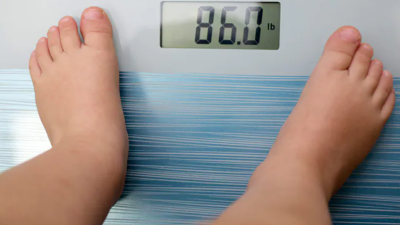
A recent study published in The Lancet has highlighted the growing prevalence of obesity among children, adolescents, and adults in India over the past few decades, even as undernutrition remains a significant challenge. This double burden of malnutrition poses serious health concerns for the country, with implications for public health policy and interventions.
Key Findings
- The prevalence of obesity among children and adolescents in India increased from 1.3% in 1975 to 6.2% in 2022
- Adult obesity rates rose from 1.5% to 7.1% over the same period
- Undernutrition, including stunting and wasting, continues to affect a significant portion of the Indian population
- The coexistence of obesity and undernutrition within the same population, and even within the same household, is a growing concern
The Rise of Obesity in India
The Lancet study, which analyzed data from 1975 to 2022, found that the prevalence of obesity among children, adolescents, and adults in India has increased significantly over the past few decades.
| Age Group | Obesity Prevalence (1975) | Obesity Prevalence (2022) |
| Children (5-9) | 0.8% | 4.5% |
| Adolescents (10-19) | 1.1% | 7.2% |
| Adults (20+) | 1.5% | 7.1% |
Factors Contributing to the Obesity Epidemic
- Urbanization and Sedentary Lifestyles: Rapid urbanization, coupled with increasing sedentary behaviors and reduced physical activity, has contributed to the rise in obesity rates. The shift towards desk jobs, long commutes, and leisure time spent on electronic devices has led to a decrease in overall physical activity levels.
- Changing Dietary Patterns: The growing availability and consumption of energy-dense, processed foods high in fat, sugar, and salt have played a significant role in the obesity epidemic. The increasing prevalence of fast food outlets and the influence of Western dietary patterns have led to a shift away from traditional, nutrient-dense diets.
- Socioeconomic Factors: Obesity rates tend to be higher among urban, higher-income populations, who have greater access to processed foods and are more likely to lead sedentary lifestyles. However, as the obesity epidemic progresses, it is increasingly affecting lower-income groups as well.
The Persistent Problem of Undernutrition
Despite the rise in obesity, undernutrition remains a significant challenge in India, particularly among children and women.
- According to the National Family Health Survey-5 (2019-21), 35.5% of children under five years of age are stunted (low height-for-age), and 19.3% are wasted (low weight-for-height)
- Anemia affects 57.2% of women of reproductive age (15-49 years) and 67.1% of children under five years of age
The coexistence of obesity and undernutrition within the same population, known as the double burden of malnutrition, poses unique challenges for public health interventions.
Addressing the Double Burden of Malnutrition
Tackling the complex issue of the double burden of malnutrition requires a multi-faceted approach that addresses both obesity and undernutrition:
- Promotion of Healthy Diets: Encouraging the consumption of nutrient-dense, traditional diets rich in fruits, vegetables, whole grains, and lean proteins, while discouraging the intake of processed, energy-dense foods.
- Increasing Physical Activity: Promoting regular physical activity through public awareness campaigns, creating safe spaces for exercise, and encouraging active transportation.
- Targeted Nutrition Interventions: Implementing targeted nutrition programs for vulnerable populations, such as pregnant women, children, and low-income groups, to address undernutrition and micronutrient deficiencies.
- Strengthening Health Systems: Improving access to quality healthcare services, including nutrition counseling and monitoring, to identify and manage both obesity and undernutrition.
- Policy Interventions: Implementing policies that promote healthy food environments, such as regulating the marketing of unhealthy foods to children, improving food labeling, and taxing sugar-sweetened beverages.
The growing prevalence of obesity alongside the persistent problem of undernutrition in India highlights the urgent need for comprehensive public health interventions.
- Addressing this double burden of malnutrition requires a multi-sectoral approach that focuses on promoting healthy diets, increasing physical activity, and implementing targeted nutrition programs for vulnerable populations.
- As India continues to grapple with the challenges posed by the coexistence of obesity and undernutrition, it is crucial to prioritize the development and implementation of evidence-based policies and interventions.
- By investing in the prevention and management of both obesity and undernutrition, India can work towards improving the overall health and well-being of its population, reducing the burden of non-communicable diseases, and ensuring a healthier future for generations to come.