
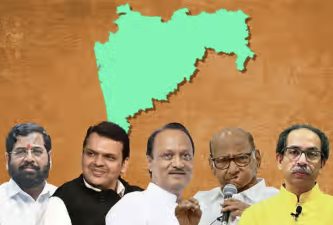
The Maharashtra state elections in 2024 are unfolding in a markedly different agricultural landscape compared to previous elections. Following a series of poor monsoon seasons that severely impacted crop yields, the current scenario is characterised by surplus rainfall and improved reservoir levels. This shift has reduced the immediate distress faced by farmers, which has been a decisive issue in past electoral campaigns.
Agricultural Significance in Maharashtra
Agriculture plays a vital role in Maharashtra’s economy, contributing approximately 11.2% to the state’s GDP while employing over 43% of its workforce. The state is a major producer of several crops, including sugarcane, jowar (sorghum), and horticultural produce. Interestingly, despite agriculture’s relatively low GDP contribution, its influence on electoral outcomes is profound, as an important portion of the rural population relies on farming for their livelihoods.
Impact of Weather Patterns
The monsoon season is crucial for Maharashtra’s agricultural success. The 2023 monsoon was particularly beneficial, leading to a robust kharif crop yield. This contrasts sharply with previous years, where drought conditions led to widespread distress, notably in regions like Marathwada. The recovery of groundwater levels and reservoir capacities has set a more optimistic tone for the upcoming rabi crop season.
Crop Diversification and Economic Implications
Maharashtra’s agricultural landscape is diverse, with sugarcane being the most politically crop. The state is India’s largest sugar producer, although it faces competition from Uttar Pradesh. The cultivation of jowar, onions, and grapes is also prominent, reflecting a varied cropping profile that helps mitigate risks associated with monoculture. However, the economic viability of these crops is influenced by fluctuating market prices and rising production costs, which can stir farmer discontent.
Challenges Faced by Farmers
Despite the promising weather and potential for high yields, farmers in Maharashtra continue to grapple with challenges. The prices of key crops like soyabean and cotton have fallen below the Minimum Support Price (MSP), raising concerns about profitability. Additionally, the rising costs of labour and inputs due to government schemes aimed at providing financial support to rural households have led to increased harvesting costs, further complicating the economic landscape for farmers.
Political Dynamics and Electoral Issues
The interplay between agricultural conditions and electoral politics is in Maharashtra. The current election cycle is likely to focus on issues such as crop prices, the efficacy of government support schemes, and the overall economic health of the agricultural sector. The Ladki Bahin Yojana, a cash transfer initiative aimed at supporting women from low-income families, may also influence voting patterns by addressing some of the immediate economic pressures faced by rural households.
Last Modified: October 29, 2024Questions for UPSC:
- Discuss the impact of monsoon variability on Maharashtra’s agricultural economy.
- Evaluate the significance of sugarcane production in Maharashtra’s political landscape.
- Analyse the challenges faced by farmers in Maharashtra amidst changing agricultural policies.
- Examine the role of government schemes in addressing rural economic distress in Maharashtra.
- Assess the implications of crop diversification on the sustainability of Maharashtra’s agriculture.