
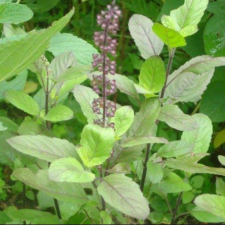
India, with its rich biodiversity, has been a treasure trove of medicinal plants for centuries. The country boasts a diverse range of flora, many of which have been used in traditional medicine systems like Ayurveda, Unani, and Siddha. These medicinal plants offer a plethora of therapeutic benefits and continue to play a crucial role in healthcare.
Neem (Azadirachta indica)
- Neem, often referred to as the “village pharmacy,” is renowned for its wide range of medicinal properties. The leaves, seeds, and bark of the neem tree are utilized in various forms.
- Uses: Neem is effective in treating skin disorders, promoting oral health, and possessing anti-inflammatory and antifungal properties.
Turmeric (Curcuma longa)
- Widely used in Indian cuisine, turmeric is a powerful medicinal plant with an active compound called curcumin.
- Uses: Turmeric has anti-inflammatory, antioxidant, and anti-cancer properties. It is also used to treat digestive issues and skin conditions.
Tulsi (Ocimum sanctum)
- Also known as holy basil, Tulsi holds a sacred place in Indian households. It is revered for its medicinal and spiritual significance.
- Uses: Tulsi has antimicrobial properties, helps manage stress, and supports respiratory health. It is often consumed as a herbal tea.
Aloe Vera (Aloe barbadensis miller)
- Aloe Vera is a succulent plant with a gel-like substance in its leaves that has numerous health benefits.
- Uses: Aloe Vera gel is used for healing wounds, soothing skin irritations, and promoting digestive health. It is a common ingredient in skincare products.
Ashwagandha (Withania somnifera)
- Known as the Indian ginseng, Ashwagandha is an adaptogenic herb used in Ayurveda to combat stress and enhance overall well-being.
- Uses: Ashwagandha is known for its stress-relieving properties, immune system support, and ability to boost energy levels.
Brahmi (Bacopa monnieri)
- Brahmi is a creeping herb that has been used in traditional medicine for cognitive enhancement.
- Uses: Brahmi is known to improve memory, enhance cognitive function, and alleviate stress. It is often used in Ayurvedic formulations for brain health.
Giloy (Tinospora cordifolia)
- Also known as Guduchi, Giloy is a climbing shrub used in Ayurveda for its immune-boosting properties.
- Uses: Giloy is considered an immunomodulator, helping the body fight infections. It is also used to manage conditions like diabetes and arthritis.
Amla (Phyllanthus emblica)
- Amla, or Indian gooseberry, is a rich source of Vitamin C and has a long history in Ayurveda.
- Uses: Amla is known for its antioxidant properties, promoting hair health, and boosting the immune system. It is commonly consumed in various forms, including as a juice.
Medicinal Plants of India: Key Data
| Medicinal Plant | Active Compounds | Primary Uses |
| Neem | Nimbin, nimbidin | Skin disorders, oral health, anti-inflammatory |
| Turmeric | Curcumin | Anti-inflammatory, antioxidant, anti-cancer |
| Tulsi | Eugenol, ursolic acid | Antimicrobial, stress management, respiratory |
| Aloe Vera | Polysaccharides, aloin | Wound healing, skin care, digestive health |
| Ashwagandha | Withanolides | Stress relief, immune support, energy boost |
| Brahmi | Bacosides | Memory enhancement, cognitive function |
| Giloy | Tinosporin, berberine | Immune modulation, diabetes management |
| Amla | Vitamin C, ellagic acid | Antioxidant, hair health, immune support |
The wealth of medicinal plants in India continues to be a source of holistic healthcare. From combating stress to treating skin ailments, these plants offer a natural and sustainable approach to well-being.
Last Modified: February 23, 2024