
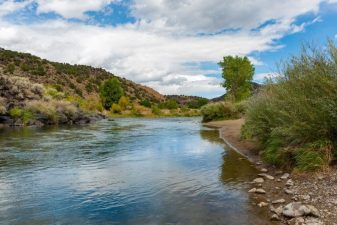
Recently, Mexico and the United States announced agreement concerning water allocation from the Rio Grande basin. This agreement comes amid rising tensions over water scarcity and agricultural needs in Texas. U.S. President Donald Trump had previously threatened tariffs and sanctions if Mexico did not comply with water delivery obligations. The agreement aims to enhance cooperation between the two nations while ensuring that Texas farmers receive necessary water supplies.
Background of the Agreement
The agreement is rooted in a 1944 treaty that governs water sharing between Mexico and the U.S. This treaty mandates that Mexico deliver a specific volume of water from its tributaries to the U.S. every five years. The current cycle is nearing its end, and Mexico faces challenges in meeting its obligations. The treaty allows for a water debt that can be repaid in the final year of the cycle.
Details of the Water Transfer
Under the new agreement, Mexico will expedite the transfer of water from international reservoirs. It will also increase the flow from six tributaries of the Rio Grande to meet U.S. demands. The U.S. share of water is crucial for Texas farmers, who rely heavily on this resource for irrigation and crop production.
Importance of the Treaty
The 1944 treaty is considered beneficial for both countries. It provides a framework for water management in a region often plagued by drought. The agreement reaffirms the commitment of both nations to uphold the treaty without the need for renegotiation. This stability is essential for agricultural planning and water resource management.
Challenges Ahead
Despite the agreement, challenges remain. Mexico is currently at risk of failing to meet its water delivery obligations as the deadline approaches in October. This situation could lead to further disputes between the two countries. The balance between meeting agricultural needs and managing limited water resources is critical for both nations.
Impact on Cross-Border Relations
This agreement marks the importance of cross-border cooperation in addressing water scarcity. It reflects a willingness to collaborate despite political tensions. The involvement of leaders like U.S. State Department spokesperson Tammy Bruce and Mexican President Claudia Sheinbaum puts stress on the diplomatic efforts necessary to resolve such issues.
Future Considerations
Looking ahead, both nations must consider sustainable water management practices. As climate change continues to impact water availability, long-term strategies will be essential. The success of this agreement may set a precedent for future cooperation on environmental and resource management issues.
Questions for UPSC:
- Critically analyse the significance of the 1944 treaty on water sharing between Mexico and the United States.
- What are the implications of water scarcity on agricultural productivity in Texas? Discuss.
- Estimate the potential impact of climate change on cross-border water agreements in North America.
- Point out the factors that led to the recent water agreement between Mexico and the United States. What challenges may arise from this agreement?
Answer Hints:
1. Critically analyse the significance of the 1944 treaty on water sharing between Mexico and the United States.
- The treaty establishes a legal framework for water distribution, ensuring both nations have defined rights and responsibilities.
- It mandates Mexico to deliver 1,750,000 acre-feet of water every five years, critical for U.S. agricultural needs.
- The treaty allows for a water debt, enabling Mexico to balance deliveries over a five-year cycle.
- It promotes cooperation and reduces potential conflicts over water scarcity in a drought-prone region.
- The treaty’s stability is vital for long-term agricultural planning and resource management in both countries.
2. What are the implications of water scarcity on agricultural productivity in Texas? Discuss.
- Water scarcity directly affects irrigation, leading to reduced crop yields and economic losses for farmers.
- Increased competition for limited water resources can drive up costs for agricultural operations.
- Scarcity may force farmers to switch to less water-intensive crops, impacting local economies and food supply.
- Long-term water shortages can lead to soil degradation and reduced agricultural viability in the region.
- Farmers may face uncertainty, impacting investment decisions and long-term sustainability of agricultural practices.
3. Estimate the potential impact of climate change on cross-border water agreements in North America.
- Climate change is expected to exacerbate water scarcity, increasing competition for shared resources.
- Changes in precipitation patterns may lead to unpredictable water availability, complicating existing agreements.
- Increased drought frequency could strain relations between countries, leading to conflicts over water rights.
- Adaptation strategies will be necessary to ensure the sustainability of water agreements amid changing climates.
- Climate change may necessitate renegotiation of treaties to address new environmental realities and resource management needs.
4. Point out the factors that led to the recent water agreement between Mexico and the United States. What challenges may arise from this agreement?
- Political pressure from U.S. leadership, including threats of tariffs, pushed Mexico to expedite water transfers.
- Growing agricultural needs in Texas brought into light the urgency of addressing water delivery obligations.
- Both nations recognized the benefits of maintaining cooperative relations amid rising tensions over water scarcity.
- The agreement aims to uphold the 1944 treaty, emphasizing the importance of cross-border cooperation.
- Challenges include Mexico’s risk of failing to meet obligations by the deadline, potentially leading to disputes.
- Ongoing climate change effects may complicate future water management and compliance with the agreement.