
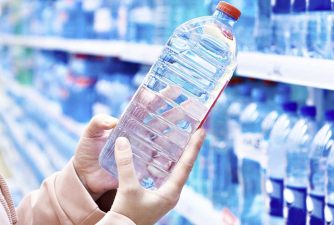
Recent studies in India reveal widespread contamination of bottled drinking water by microplastics and chemical additives. This challenges the popular belief that bottled water is inherently safer than municipal supplies. Scientific research from cities like Nagpur, Mumbai and coastal Andhra Pradesh shows microplastic particles in all tested bottled water samples. These findings expose gaps in quality control and regulatory oversight. The issue extends beyond microbiological safety to long-term health risks and environmental sustainability.
Bottled Water Consumption Trends in India
Bottled water has become an everyday necessity across urban India. Declining trust in municipal water and the perception of safety drive its demand. It is commonly available at railway stations, offices and restaurants. However, this convenience masks emerging risks from contaminants invisible to the naked eye. Microplastics and chemical leachates from plastic bottles pose new challenges to public health and water safety standards.
Microplastics and Chemical Contaminants
Microplastics are plastic fragments smaller than five millimetres found in all bottled water samples tested. Concentrations vary from 72 to over 200 particles per litre. Smaller nanoplastics remain undetected but may be more harmful. Chemical additives like antimony and phthalates leach into water, especially under heat or prolonged storage. These substances can accumulate over time but current standards focus only on short-term isolated chemicals. The combined effects of microplastics and leached chemicals remain inadequately studied.
Regulatory and Quality Control Challenges
India’s Food Safety and Standards Authority (FSSAI) regulates bottled water but does not mandate testing for microplastics or long-term chemical exposure. State surveys frequently find substandard bottled water, indicating enforcement weaknesses. Thousands of small bottling units operate with minimal oversight. The fragmented industry and stressed groundwater sources complicate quality assurance. Existing regulations lag behind emerging scientific evidence on plastic-related contaminants.
Environmental Impact and Public Health Implications
Single-use plastic bottles contribute to India’s plastic waste crisis. Plastic degradation releases microplastics into ecosystems, contaminating water sources and re-entering the bottled water supply chain. This cycle links environmental degradation to human health risks. Reducing over-dependence on bottled water and improving municipal water infrastructure can mitigate these risks. Point-of-use filtration and better consumer awareness are interim solutions while regulatory frameworks evolve.
Topics for Prelims:
Microplastics in Drinking Water
- Microplastics are plastic particles smaller than 5 mm.
- Detected in all bottled water samples in Indian studies.
- Concentration ranges from 72 to 212 particles per litre.
- Nanoplastics are smaller, harder to detect, and potentially more harmful.
- Carry toxic additives and pollutants.
Regulation of Bottled Water in India
- Regulated primarily by Food Safety and Standards Authority of India (FSSAI).
- Mandatory BIS certification removed, affecting standardisation.
- No current limits or testing for microplastics.
- State surveys report unsafe bottled water samples.
- Fragmented industry with many small bottling units.
Plastic Leaching and Environmental Impact
- Chemicals like antimony and phthalates leach from plastic bottles.
- Leaching increases with heat and sunlight exposure.
- Plastic waste contributes to microplastic pollution in ecosystems.
- Microplastics contaminate water sources including bottled water.
- Plastic pollution poses long-term environmental and health risks.
Questions for UPSC:
- Point out the challenges in regulating bottled water quality in India and estimate the impact of fragmented industry practices on public health.
- Underline the environmental consequences of single-use plastic bottles and critically analyse their role in microplastic contamination of water sources.
- With suitable examples, explain the health risks posed by microplastics and chemical additives in drinking water and suggest policy measures to address them.
- Critically analyse the role of municipal water supply improvements in reducing dependence on bottled water and mitigating associated health and environmental risks.
Answer Hints:
1. Point out the challenges in regulating bottled water quality in India and estimate the impact of fragmented industry practices on public health.
- Regulation primarily by FSSAI; removal of mandatory BIS certification weakened standardisation.
- No mandatory testing or limits for microplastics and long-term chemical exposure in current standards.
- Fragmented industry with thousands of small bottling units operating with minimal oversight.
- State-level surveys frequently find substandard or unsafe bottled water samples.
- Quality control gaps lead to higher contamination, especially in local brands.
- Public health impact includes exposure to microplastics, chemical leachates, and microbiological risks due to inconsistent enforcement.
2. Underline the environmental consequences of single-use plastic bottles and critically analyse their role in microplastic contamination of water sources.
- Single-use plastic bottles form a large share of India’s plastic waste, contributing millions of tonnes annually.
- Plastic degradation in landfills, rivers, and oceans releases microplastics into ecosystems.
- Microplastics re-enter water sources, contaminating both natural and bottled water supplies.
- Environmental pollution creates a cycle linking plastic waste to human health risks via contaminated drinking water.
- Plastic pollution poses long-term threats to biodiversity, aquatic life, and ecological balance.
- Inadequate waste management and recycling exacerbate environmental contamination and microplastic proliferation.
3. With suitable examples, explain the health risks posed by microplastics and chemical additives in drinking water and suggest policy measures to address them.
- Microplastics (<5 mm) found in all bottled water samples tested in Nagpur, Mumbai, Andhra Pradesh, with concentrations up to 212 particles/litre.
- Microplastics carry toxic additives and pollutants; smaller nanoplastics may cross biological barriers causing unknown health effects.
- Chemical additives like antimony and phthalates leach from plastic bottles, especially under heat and prolonged storage.
- Current regulations do not cover cumulative, long-term exposure to multiple contaminants combined with microplastics.
- Policy measures – include microplastics and chemical leachate testing in standards; strengthen enforcement; regulate small bottling units; promote public awareness.
- Encourage alternatives like point-of-use filtration, refill stations, and improved municipal water quality transparency.
4. Critically analyse the role of municipal water supply improvements in reducing dependence on bottled water and mitigating associated health and environmental risks.
- Declining trust in municipal water drives bottled water demand despite safety concerns.
- Improving municipal water quality and infrastructure can restore public trust and reduce bottled water reliance.
- Transparent public disclosure of water quality enhances consumer confidence in tap water safety.
- Expanding affordable household filtration and public water dispensing/refill stations offers practical alternatives.
- Reduced bottled water use lowers plastic waste generation, mitigating environmental pollution and microplastic contamination.
- Systematic improvements require policy support, investment, and consumer education to shift behavior sustainably.