

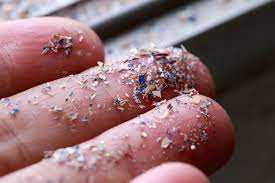
Microplastics are small, solid, polymer particles that are insoluble in water and exhibit a size dimension of less than 5 millimeters (< 5 mm). Within the Polymers and Plastics unit of chemistry, they represent the environmental and physical degradation products of synthetic macromolecules. Due to their persistent chemical backbones, high surface-area-to-volume ratio, and capacity to bioaccumulate, they pose a significant threat to global ecosystems and human health.
Classification of Microplastics
Microplastics are classified into two distinct types based on their point of origin and intent of manufacture.
Primary Microplastics
These are manufactured polymers designed intentionally to be small for specific industrial, commercial, or medical applications.
- Microbeads: Spherical plastic particles used as exfoliating agents in cosmetics, personal care products (facial scrubs, toothpaste), and industrial cleansers. Common polymer constituents include Polyethylene (PE) and Polypropylene (PP).
- Nurules / Plastic Pellets: Small raw material granules transported to manufacturing facilities to be melted and molded into larger plastic items. Accidents and spills during transport release them directly into waterways.
- Synthetic Fibers: Industrial micro-fibers used in specialized technical textiles and manufacturing processes.
Secondary Microplastics
These particles result from the structural breakdown and fragmentation of larger plastic items (macroplastics) due to environmental weathering.
- Mechanisms of Degradation: High-energy Ultraviolet (UV) radiation breaks the covalent bonds in the polymer backbone (photo-oxidation). This is accelerated by mechanical friction from ocean waves, wind abrasion, and thermal degradation.
- Primary Sources: Discarded single-use plastic bags (Low-Density Polyethylene), synthetic textiles (Polyester, Nylon) shedding fibers during domestic laundry cycles, and vehicle tire wear particles (Styrene-Butadiene Rubber) generated by friction against roads.
Chemical Composition and Common Polymers
The chemical properties of microplastics depend on the specific synthetic polymer from which they originate. The table below outlines the dominant polymer types found in global microplastic pollution.
| Polymer Type | Chemical Structure / Monomer | Common Secondary Source | Environmental Behavior |
| Polyethylene (PE) | Ethylene (C2H4) | Plastic bags, bottle caps, agricultural mulch films. | Low density; floats on water surfaces, prone to heavy UV exposure. |
| Polypropylene (PP) | Propylene (C3H6) | Food packaging, synthetic ropes, automotive parts. | Highly resistant to chemical solvents; undergoes rapid mechanical fragmentation. |
| Polystyrene (PS) | Styrene (C8H8) | Expanded foam cups, insulation material, food trays. | Easily breaks into highly buoyant, lightweight micro-foams. |
| Polyethylene Terephthalate (PET) | Ethylene glycol + Terephthalic acid | Synthetic clothing (polyester), beverage bottles. | Higher density than water; sinks and accumulates in benthic (river/ocean bed) sediments. |
| Polyvinyl Chloride (PVC) | Vinyl Chloride (C2H3Cl) | Pipes, medical tubing, credit cards. | Contains hazardous chlorine atoms and plasticizer additives like phthalates. |
Environmental and Chemical Hazards
The danger of microplastics extends beyond their physical presence; they act as chemical vectors in environmental systems.
Adsorption of Persistent Organic Pollutants (POPs)
Microplastics are highly hydrophobic (water-repelling). This property causes them to act as chemical sponges, adsorbing hydrophobic toxic pollutants present in ambient water systems. Dangerous industrial chemicals like Polychlorinated Biphenyls (PCBs), Polycyclic Aromatic Hydrocarbons (PAHs), and Dichlorodiphenyltrichloroethane (DDT) concentrate on the surface of microplastics at levels millions of times higher than the surrounding water.
Leaching of Chemical Additives
During industrial plastic manufacturing, various chemical compounds are added to polymers to improve flexibility, color, and thermal stability. These additives are not chemically bound to the polymer matrix and easily leach out into ecosystems or digestive tracts when ingested:
- Phthalates: Used as plasticizers to make PVC flexible; known endocrine disruptors.
- Bisphenol A (BPA): Used in polycarbonate plastics; mimics the hormone estrogen and disrupts reproductive biology.
- Heavy Metals: Lead, cadmium, and antimony used as thermal stabilizers and pigments.
Trophic Transfer and Bioaccumulation
Ingestion
Because of their minute size and varied coloration, microplastics are easily mistaken for food by low-trophic-level marine organisms, such as zooplankton, bivalves (clams, oysters), and small fish.
Bioaccumulation
Organisms ingest microplastics at a rate faster than they can excrete them, leading to physical blockages in their digestive tracts, reduced nutrient absorption, and cellular inflammation.
Biomagnification
When primary consumers are eaten by larger predators (e.g., small fish eaten by tuna, which are then consumed by humans), the concentration of both the microplastics and their adsorbed chemical toxins increases progressively up the food chain.
Nanoplastics: The Invisible Threat
When microplastics undergo continuous environmental degradation, they fragment into even smaller particles known as nanoplastics, which measure less than 1 micrometer (< 1 μm or < 1000 nm) in size.
- Cellular Translocation: Unlike microplastics, nanoplastics are small enough to pass directly through biological membranes.
- Systemic Distribution: They can cross the intestinal epithelial barrier, the blood-brain barrier, and the placental barrier, entering the bloodstream and accumulating inside vital organs, tissues, and individual cells.
Technical Trivia for Prelims
- Tire Wear Particles (TWP): Elastomeric rubber particles shed from vehicle tires are technically classified as microplastics. They constitute one of the largest sources of microplastic pollution in urban runoff.
- 6PPD-Quinone: A toxic chemical compound formed when 6PPD (an antiozonant added to vehicle tires) reacts with atmospheric ozone. It washes into streams via urban runoff and causes acute mortality in salmon and other aquatic species.
- Plastichemistry in Laundry: A single cycle of domestic washing can release more than 700,000 synthetic microplastic fibers into wastewater treatment plants, which are often unable to filter them out completely due to their thin, elongated shape.
- Plastisphere: A term coined by marine biologists to describe the distinct ecological community of microbes, algae, and bacteria that colonize and thrive on the surface of floating microplastic debris in the ocean.