
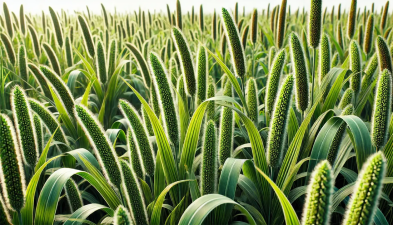
As global interest in sustainable agriculture rises, millet is gaining traction as a viable alternative to paddy production in India. The millet market is expected to grow , with projections indicating a compound annual growth rate (CAGR) of 6.2% globally and 16% in India from 2024 to 2030. This presents an opportunity for policymakers to encourage an environment conducive to millet cultivation. However, farmers, who are the backbone of Indian agriculture, must be encouraged to transition from paddy to millet.
Current Paddy Production Landscape
Paddy currently dominates Indian agriculture, particularly in states like Punjab and Haryana. These regions receive substantial agricultural input subsidies, skewed towards paddy production. Fertiliser usage in these states is above the national average, leading to overproduction and resource depletion. This unsustainable practice exacerbates climate change and threatens the ecological balance.
Need for Transition to Millet
To address overproduction issues, farmers should be incentivised to reduce paddy cultivation. Initiatives could include cash incentives for not planting paddy, allowing the government to save on subsidies. These savings could then be redirected to promote millet production through awareness campaigns, crop diversification, and infrastructure improvements. This shift would mitigate environmental risks associated with paddy farming.
Incentives for Farmers
Financial incentives must be carefully structured to maintain cost neutrality for the government while supporting farmers. Enhanced awareness of sustainable practices, digital literacy, and financial inclusion are crucial for effective implementation. Direct benefit transfers can ensure timely financial support, reducing the risk of financial leakages.
Role of Minimum Support Price (MSP)
Increasing the MSP for millets like bajra and jowar is vital for encouraging farmers to switch crops. The government has already proposed MSP increases, which could double farmers’ incomes in key millet-producing states. This guaranteed price would provide a stable market for farmers, reducing their reliance on paddy.
Public Distribution System and Procurement
The Food Corporation of India (FCI) plays a very important role in stabilising millet prices through assured procurement. Currently, millet procurement is inconsistent, limiting farmers’ market access. Scaling up the Production Linked Incentive Scheme for Millet-based Products (PLISMBP) can further support this transition.
Promoting Millet Consumption
The Public Distribution System (PDS) should also focus on increasing millet consumption. Collaborations with NGOs and educational institutions can enhance awareness of millets’ nutritional benefits through workshops and media campaigns. This will help shift consumer preferences and demand towards millets.
Global Market Potential
India ranks among the top five millet exporters but contributes only 2% to global exports. With the millet market projected to exceed $14 billion, strengthening value chains and enhancing exports can benefit the Indian economy. A comprehensive approach is necessary to transform millet production and ensure farmers’ economic welfare.
Challenges Ahead
Despite the potential benefits, challenges remain. The dominance of paddy in agricultural policy and consumer preferences hinders millet’s growth. Increased awareness and policy initiatives promoting millet varieties are essential for overcoming these obstacles.
Questions for UPSC:
- Discuss the implications of shifting agricultural practices from paddy to millet in India.
- Critically examine the role of the Public Distribution System in promoting millet consumption.
- Explain the significance of Minimum Support Price in agricultural sustainability.
- With suitable examples, discuss the challenges and opportunities in enhancing millet exports from India.
Answer Hints:
1. Discuss the implications of shifting agricultural practices from paddy to millet in India.
- Shifting to millet can enhance sustainability by reducing resource depletion associated with paddy overproduction.
- Millet cultivation requires less water and can adapt better to climate change, contributing to environmental resilience.
- Farmers could benefit economically from higher Minimum Support Prices (MSP) for millet, potentially doubling incomes.
- Government savings from reduced paddy subsidies can be redirected to millet promotion and infrastructure improvements.
- Transitioning practices can encourage crop diversification, reducing reliance on a single crop and enhancing food security.
2. Critically examine the role of the Public Distribution System in promoting millet consumption.
- The PDS primarily focuses on rice and wheat, limiting the availability of millets in the public distribution framework.
- Enhancing millet procurement through PDS can stabilize prices and encourage farmers to cultivate millet.
- Collaborations with NGOs and educational institutions can boost awareness of millets’ nutritional benefits among consumers.
- Workshops and media campaigns through PDS can shift consumer preferences towards millets, increasing demand.
- Currently, low millet off-take from PDS marks the need for policy adjustments to include millets more effectively.
3. Explain the significance of Minimum Support Price in agricultural sustainability.
- MSP provides farmers with a guaranteed price, reducing their financial risks and ensuring stable incomes.
- Higher MSP for millets can incentivize farmers to shift from paddy, promoting crop diversification.
- MSP can stabilize market prices for millets, encouraging production and enhancing food security.
- By ensuring fair returns, MSP contributes to the long-term sustainability of agricultural practices.
- Government policies around MSP can help balance production between staple crops and nutritious alternatives like millets.
4. With suitable examples, discuss the challenges and opportunities in enhancing millet exports from India.
- India ranks among the top five millet exporters but contributes only 2% to global exports, indicating untapped potential.
- Challenges include low domestic demand and limited awareness about the nutritional benefits of millets among consumers.
- Opportunities lie in the growing global market for millets, projected to exceed $14 billion, encouraging export growth.
- Strengthening value chains and improving procurement systems can enhance export readiness for Indian millets.
- Government initiatives such as the Production Linked Incentive Scheme can support millet production and boost exports.