
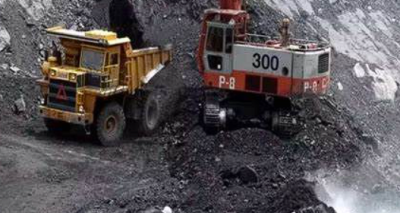
India’s mineral production has experienced notable growth, particularly in key minerals such as iron ore, manganese, aluminium, and copper. This growth is indicative of a robust demand across various sectors, including steel, energy, and construction. The Ministry of Mines has reported increases in production figures for the first half of the fiscal year 2024-25, reinforcing India’s position as a leading player in the global minerals market.
Iron Ore Production
Iron ore is the backbone of India’s mineral production, constituting approximately 70% of the total mineral value. The production increased by 5.5%, reaching 135 million metric tonnes (MMT) in the first half of FY 2024-25. This growth is primarily driven by the steel industry, which is heavily reliant on iron ore as a raw material. Notably, India is the fourth-largest producer of iron ore globally, contributing to the international market.
Manganese Ore Insights
Manganese ore production has also seen a commendable rise of 6.2%, totalling 1.7 MMT. Manganese is essential for steel production, acting as a deoxidiser and alloying agent. The increase in production is a reflection of the expanding steel industry, which is crucial for infrastructure development in India. Interestingly, India ranks among the top producers of manganese, denoting its strategic importance in global supply chains.
Aluminium and Copper Production
The non-ferrous sector has shown promising trends, with primary aluminium production increasing by 1.2% to 20.90 lakh tonnes. India is now the second-largest aluminium producer in the world, a position bolstered by the growing demand in sectors like automotive and construction. Similarly, refined copper production rose by 4.6%, reaching 2.50 lakh tonnes. Copper is vital for electrical applications and renewable energy technologies, making its production growth essential for India’s sustainable development goals.
Economic Implications
The consistent growth in mineral production puts stress on the resilience of India’s user industries, which are integral to the nation’s broader economic momentum. The mining sector not only supports industrial growth but also contributes to employment and regional development. The interlinkages between mineral production and various sectors demonstrate the critical role that these resources play in economic stability and growth.
Global Standing
India’s standing in the global mineral market is substantial, ranking second in aluminium production, within the top ten in refined copper, and fourth in iron ore. This positioning reflects India’s potential to influence global supply chains and offers opportunities for international collaboration in mining and resource management.
Last Modified: November 2, 2024Questions for UPSC:
- Discuss the significance of iron ore production in India’s economy.
- What role does manganese play in the steel production process?
- Evaluate the implications of increased aluminium production on India’s industrial sectors.
- How does India’s mineral production affect its global economic standing?
- Examine the relationship between mineral production and sustainable development in India.