
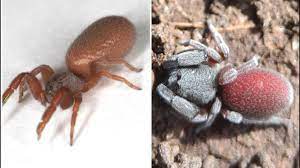
Two new spider species, Palpimanus Godawan and Palpimanus Maldhok, have been identified in the Rajasthan Desert National Park and Solapur, and they are named in honor of the Great Indian Bustard. These maroon-colored spiders are known for their shyness and tendency to hide under rocks or in crevices. Unlike some spiders, they have limited dispersal abilities and stay within a confined area. The Great Indian Bustard, a critically endangered bird species primarily found in India, especially in Rajasthan’s Jaisalmer district, is the inspiration behind these spider names. Its population is critically low, and it is a flagship grassland species of India.
Facts/Terms for UPSC Prelims
- Great Indian Bustard: The Great Indian Bustard is a critically endangered bird species found in India, known for its large size and heavy body. It is primarily located in the grasslands of Rajasthan and Gujarat and holds the status of the state bird of Rajasthan.
- Rajasthan Desert National Park: This is a protected area in the Indian state of Rajasthan, known for its unique desert ecosystems and wildlife, including the Great Indian Bustard and the newly discovered spider species.
- IUCN: The International Union for Conservation of Nature (IUCN) is an organization that assesses the conservation status of species worldwide. The Great Indian Bustard is listed as “Critically Endangered” by the IUCN, indicating it faces an extremely high risk of extinction.
- CITES (Appendix I): CITES stands for the Convention on International Trade in Endangered Species of Wild Fauna and Flora. The Great Indian Bustard is listed in Appendix I of CITES, which includes species threatened with extinction, and trade in their products is prohibited.
- Indian Wildlife (Protection) Act, 1972 (Schedule I): This is an important wildlife protection law in India, and species listed in Schedule I receive the highest level of protection under this law, making it illegal to hunt or trade them. The Great Indian Bustard is listed under Schedule I, emphasizing its conservation status.