
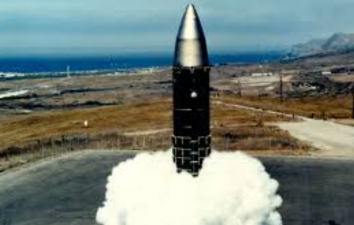
The atomic bombings of Hiroshima and Nagasaki in August 1945 marked the first and only use of nuclear weapons in war. Since then, despite the increase in nuclear-armed states and weapon sophistication, nuclear arms have not been used in conflict. This has established a strong norm of non-use. However, recent geopolitical tensions, nuclear modernisation, and challenges to global treaties threaten this fragile norm.
Historical Context of Nuclear Use
On 6 August 1945, a nuclear bomb exploded over Hiroshima, killing at least 70,000 instantly. Another 70,000 died later due to injuries and radiation sickness. Three days later, Nagasaki suffered a similar attack, killing 40,000 immediately. These bombings revealed the devastating human cost of nuclear weapons and shaped post-war global attitudes.
Hibakusha and Their Impact
Survivors of the bombings, known as Hibakusha, have been central to anti-nuclear advocacy. Initially, information about radiation effects was suppressed during the US occupation. It was only after the 1954 Castle Bravo thermonuclear test caused radiation sickness on a Japanese fishing boat that public awareness grew. The Hibakusha formed groups like Nihon Hidankyo to educate the world on nuclear horrors, creating a powerful moral case against nuclear use.
Development of the Norm of Non-Use
The norm against nuclear use is based on a shared understanding that these weapons are uniquely destructive. No international law explicitly bans nuclear weapon use. Treaties like the Nuclear Non-Proliferation Treaty (NPT) and the Comprehensive Nuclear Test Ban Treaty limit proliferation and testing but do not prohibit use. The International Court of Justice’s 1996 advisory opinion stated that use would generally violate humanitarian law, reinforcing the norm without legal prohibition.
Challenges to the Norm Today
Despite the norm, nuclear threats have resurfaced, notably in conflicts involving Russia and Ukraine. India’s response during Operation Sindoor also brought into light nuclear deterrence’s ongoing role. Nuclear arsenals have become more sophisticated and usable, raising concerns about tactical nuclear weapons. The erosion of the global rules-based order and weakening of treaties put the non-use norm under pressure.
Recognition of Disarmament Efforts
The Hibakusha’s decades-long campaign for nuclear disarmament received global recognition when Nihon Hidankyo was awarded the Nobel Peace Prize in 2024. This honour symbolises the enduring moral weight of their testimony amid renewed nuclear tensions. It also serves as a warning against complacency regarding nuclear risks.
Lessons and Warnings
The truth about nuclear fallout and radiation sickness emerged only after tragic accidents. The world cannot afford to wait for another disaster to understand the dangers of nuclear weapons. Vigilance, education, and strengthened international cooperation remain essential to maintain the norm of non-use.
Questions for UPSC:
- Critically discuss the role of international treaties like the Nuclear Non-Proliferation Treaty and the Comprehensive Nuclear Test Ban Treaty in maintaining global nuclear stability.
- Analyse the impact of nuclear deterrence theory on international peace and security. How does it compare with moral and ethical arguments against nuclear weapons?
- Examine the challenges posed by modern tactical nuclear weapons and their implications for regional and global security.
- Estimate the effectiveness of civil society movements, such as those led by the Hibakusha, in influencing nuclear disarmament policies and international norms.