
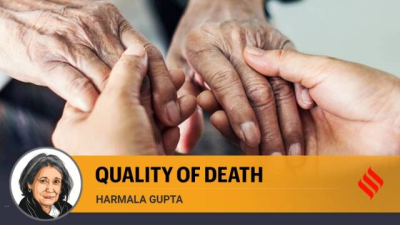
Palliative care has emerged as a critical component of healthcare in India, given the increasing burden of non-communicable diseases (NCDs) in the country. With a focus on improving the quality of life for patients and their families facing life-threatening and life-limiting conditions, palliative care is gaining recognition as an essential aspect of comprehensive medical treatment.
Understanding Palliative Care
Palliative care, as defined by the World Health Organization, aims to enhance the quality of life for individuals and their families dealing with life-threatening illnesses. The Indian Association of Palliative Care has expanded this definition to include life-limiting conditions as well. This means that palliative care is not limited to end-of-life care but should be integrated with medical treatments from the time of diagnosis. It encompasses physical, psychological, social, and spiritual support to address the various challenges faced by patients and their families.
Burden of Non-Communicable Diseases in India
India, with its significant population and growing urbanization, is grappling with a substantial burden of NCDs. Conditions such as cancer, diabetes, hypertension, and respiratory diseases are on the rise, leading to an increased demand for comprehensive healthcare services. While efforts have been made to address the prevention and treatment of these diseases, the management of symptoms and the provision of palliative care often remain overlooked.
Availability and Access to Palliative Care
In India, palliative care services have predominantly been concentrated in tertiary healthcare facilities in urban areas. This skewed distribution limits accessibility to a mere 1-2% of the estimated 7-10 million individuals who require such care. Rural areas, where the majority of the population resides, face a significant gap in palliative care services. This lack of availability and limited access highlight the urgent need for an inclusive and widespread approach to palliative care.
The Importance of a Dedicated Palliative Care Program
While there have been efforts to incorporate palliative care into healthcare policies, the National Programme for Palliative Care (NPPC) announced in 2012 lacks a dedicated budget for implementation. Non-governmental organizations (NGOs) play a crucial role in bridging the gaps in palliative care provision. Organizations such as Pallium India, Karunashraya, and CanSupport have been striving to meet the demand for palliative care. However, the scale of the challenge necessitates government involvement and financial support to achieve comprehensive coverage.
The Role of Government in Palliative Care
Recognizing the ongoing pandemic of NCDs in India, it is imperative for the government to prioritize and strengthen palliative care services. While NGOs contribute significantly to this field, their resources are limited compared to what the government can provide. A dedicated budget allocation for palliative care within existing healthcare programs can ensure broader coverage and improved access for patients in need. Collaborative efforts between the government, NGOs, and healthcare professionals can create a sustainable framework for palliative care delivery across the country.
Addressing the Palliative Care Gap
To address the growing need for palliative care, it is crucial to raise awareness among healthcare professionals, policymakers, and the general public. Palliative care should be integrated into medical curricula and training programs to equip healthcare providers with the necessary skills and knowledge. Additionally, public awareness campaigns can dispel misconceptions surrounding palliative care and emphasize its significance in improving the quality of life for patients with life-threatening conditions.