
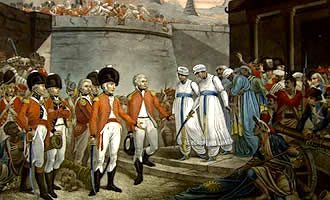

Peasant movements in colonial India emerged as a response to oppressive British economic policies. These movements were primarily driven by the hardships faced by farmers under colonial rule. They brought into light the struggles against landlords and moneylenders, as well as the broader fight against British colonialism.
Economic Policies and Their Impact
The British implemented mercantilist policies that transformed agriculture in India. This led to the commercialisation of farming, disrupting traditional agrarian relationships. Key aspects include:
- Land Revenue Settlements: Land became a tradable commodity, affecting peasant rights.
- Deforestation: Cash crop cultivation led to environmental changes.
- Debt Cycle: Excessive land revenue and exploitation by moneylenders trapped peasants in poverty.
Phases of Peasant Movements
The peasant movements can be categorised into two distinct phases based on historical context.
Early Movements (Pre-1900)
The initial phase saw spontaneous uprisings against zamindars (landlords) due to high land revenue demands. Key events include:
- Indigo Revolt (1859-60): Peasants in Bengal resisted forced indigo cultivation. Led by the Biswas brothers, the revolt involved violent protests against planters.
- Deccan Riots (1875): Kunbis attacked moneylenders in Poona, protesting against oppressive debts.
- Pabna Movement (1873-1885): Peasants in Bengal formed unions to resist illegal evictions and rent hikes.
Nationalist Influence (Post-1900)
Post-1857, educated middle-class individuals became involved in peasant movements, linking them to the broader national struggle for independence.
- Champaran Movement (1917-1918): Led by Mahatma Gandhi, this movement addressed grievances of indigo farmers in Bihar.
- Kheda Satyagraha (1918): Gandhi led this movement demanding tax relief during famine.
- Eka Movement (1921): In Awadh, peasants protested against high rents and forced labour.
Significant Revolts and Their Outcomes
Several major revolts showcased the growing unrest among peasants.
Mappila Revolt (1921)
This revolt in Kerala was driven by the exploitation of Mappila tenants by upper-caste landlords. It began as an anti-landlord movement but took on communal dimensions. Key points include:
- Violence: The revolt resulted in casualties and forced conversions.
- British Response: Martial law was imposed to suppress the uprising.
Bardoli Satyagraha (1928)
Led by Vallabhbhai Patel, this movement protested against a 22% tax hike.
- Mobilisation: The movement used newspapers and community gatherings to rally support.
- Outcome: The government agreed to a reduced tax and reinstated workers who had resigned in support of the farmers.
All India Kisan Sabha (1936)
Founded at the Indian National Congress session, this organisation aimed to protect tenant rights.
- Manifesto: It called for the abolition of zamindari and tenant rights.
- Impact: The Congress ministries enacted measures to alleviate peasant debts and improve conditions.
Tebhaga Movement (1946-47)
This movement in Bengal demanded two-thirds of the harvest for sharecroppers.
- Mobilisation: Organised by Communist cadres, it sought to empower sharecroppers.
- Outcome: Some sharecroppers gained rights, though the movement faced limitations.
Telangana Movement (1946-1952)
This movement targeted oppressive landlordism in Andhra Pradesh.
- Causes: High taxes and forced labour under Nizam rule led to widespread discontent.
- Nature: A combination of peaceful protests and armed resistance emerged.
- British Reaction: Reforms were initiated, including the abolition of forced labour.
Trade Union Movement in India
The trade union movement developed alongside the peasant movements, addressing the rights of industrial workers.
Early Developments
The labour movement began to take shape in the late 19th century.
- N.M. Lokhande: Organised the first trade union in 1890, the Bombay Mill Hands Association.
- Mass Gatherings: Workers began to unite for better conditions, with protests occurring in Bombay.
Legal Framework
In the 1920s, the legal framework for trade unions began to solidify.
- Trade Unions Act (1926): Provided legal recognition to unions and protections for their members.
- Impact: Enhanced the public perception of trade unions and facilitated their growth.


