
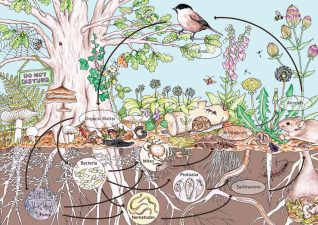
Climate change presents challenge to our planet. Rising temperatures and unpredictable weather patterns threaten ecosystems and human livelihoods. Amid these issues, permaculture offers a compelling solution. Developed in the 1970s by Bill Mollison and David Holmgren, permaculture integrates agricultural practices with ecological principles. It promotes resilience, sustainability, and harmony with nature. The core tenets of permaculture—Earth Care, People Care, and Fair Share—provide a framework for addressing environmental crises.
Earth Care
Earth Care focuses on respecting and collaborating with natural ecosystems. By mimicking nature, permaculture encourages balance and resilience. This principle advocates for the wise and regenerative use of Earth’s resources. It promotes practices that restore and sustain rather than deplete. By encouraging healthy ecosystems, we can combat environmental degradation and ensure a sustainable future.
People Care
People Care emphasises the importance of human well-being within the framework of sustainability. It recognises the universal needs for food, shelter, and safety. This principle encourages communities to thrive collectively. By encouraging connections and shared responsibilities, permaculture cultivates self-sustaining communities. It marks the role of support and care in achieving social equity and environmental justice.
Fair Share
Fair Share advocates for limiting consumption and redistributing surplus resources. This principle encourages sharing food, knowledge, and time. It promotes a just system that benefits all living beings, including animals and microbes. Fair Share teaches that sustainability is about mindful living. It encourages individuals to consider the impact of their choices on the environment and society.
Permaculture in Education
Permaculture extends beyond agriculture; it transforms education. Incorporating permaculture principles in classrooms empowers students to shape a sustainable future. Hands-on learning opportunities, such as school gardens, allow students to design and manage sustainable systems. This practical experience encourages critical thinking and problem-solving skills.
Engaging Students through Projects
Students can apply permaculture through various impactful projects. Establishing school gardens teaches soil health and plant care. Composting projects recycle organic waste, enriching soil and reducing landfill contributions. Community projects, like tree planting and clean-up drives, encourage collaboration and collective action. Workshops and resource-sharing initiatives promote sustainable practices and environmental awareness.
Advocating for Sustainability
Permaculture encourages students to advocate for responsible consumption. Through school-led campaigns, they can promote equity and environmental justice. By actively participating in sustainability initiatives, students learn the importance of collaboration and teamwork. Permaculture gardens serve as a reflection of how individuals and communities can live harmoniously with the planet.
Questions for UPSC:
- Critically analyse the principles of permaculture and their impact on sustainable agriculture.
- What are the challenges faced by communities in implementing permaculture practices? Explain with examples.
- Comment on the role of education in promoting environmental sustainability through permaculture.
- What is the concept of ecological balance? How does permaculture contribute to maintaining this balance in ecosystems?
Answer Hints:
1. Critically analyse the principles of permaculture and their impact on sustainable agriculture.
- Earth Care promotes regenerative practices that restore ecosystems and enhance biodiversity.
- People Care encourages community resilience by addressing human needs for food, shelter, and safety.
- Fair Share encourages equitable resource distribution, reducing waste and promoting sustainability.
- Permaculture principles lead to diversified farming systems that improve soil health and productivity.
- Overall, permaculture creates a holistic approach that integrates ecological health with agricultural productivity.
2. What are the challenges faced by communities in implementing permaculture practices? Explain with examples.
- Lack of awareness and understanding of permaculture principles can hinder adoption in communities.
- Initial costs for setting up permaculture systems, such as gardens or composting facilities, may be prohibitive.
- Resistance to change from traditional farming methods can create barriers to implementing new practices.
- Access to land and resources can be limited, especially in urban settings, impacting community initiatives.
- Examples include urban communities struggling to establish gardens due to space and zoning regulations.
3. Comment on the role of education in promoting environmental sustainability through permaculture.
- Education encourages hands-on learning, allowing students to engage with sustainable practices directly.
- Permaculture curricula develop critical thinking and problem-solving skills related to environmental issues.
- School gardens serve as practical applications of permaculture, teaching students about ecosystems and sustainability.
- Collaborative projects encourage teamwork and community involvement, reinforcing shared values of care and responsibility.
- Educational initiatives can inspire a new generation to advocate for sustainable living and environmental justice.
4. What is the concept of ecological balance? How does permaculture contribute to maintaining this balance in ecosystems?
- Ecological balance refers to the equilibrium between living organisms and their environment.
- Permaculture mimics natural ecosystems, promoting biodiversity and healthy interdependent relationships.
- By restoring degraded lands, permaculture enhances soil health, water retention, and habitat diversity.
- It encourages sustainable practices that reduce resource depletion and pollution, encouraging resilience in ecosystems.
- Ultimately, permaculture contributes to long-term ecological stability, supporting both human and environmental well-being.