
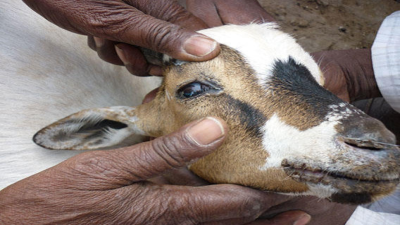
Recently, an outbreak of Peste Des Petits Ruminants (PPR) has wreaked havoc in the highland pastures of the Lahaul and Spiti district of Himachal Pradesh. This highly contagious animal disease has already claimed the lives of 60 sheep and goats, while nearly 200 have been affected. PPR poses a significant threat to the livestock industry, making it crucial to understand the disease and the efforts being made to combat it.
Understanding Peste Des Petits Ruminants (PPR):
PPR is a highly contagious viral disease primarily affecting sheep and goats. The disease is caused by a virus belonging to the family Paramyxoviridae and the genus Morbillivirus. PPR shares close genetic similarities with other members of the same genus, including the rinderpest virus, measles virus, and canine distemper virus. It is crucial to recognize the following key characteristics of PPR:
- Mode of Transmission: The primary mode of transmission of PPR is through close contact between susceptible animals and infected individuals. The virus is inhaled when infected animals cough or sneeze, leading to the spread of the disease. Moreover, indirect transmission can occur through contact with contaminated objects such as feed troughs and bedding.
- Animal Specificity: Fortunately, PPR does not infect humans. However, it poses a severe threat to sheep and goats, causing high mortality rates. The virus not only induces a wide range of clinical signs but also weakens the animals’ immune system, making them more susceptible to other infections.
- Geographical Impact: PPR outbreaks have been reported in several states across India, including Himachal Pradesh, Andhra Pradesh, West Bengal, Telangana, Karnataka, and Chhattisgarh. This widespread distribution emphasizes the urgent need for effective control and eradication measures.
Global Initiative for PPR Eradication:
Recognizing the significant impact of PPR on global livestock, a joint initiative led by the Food and Agriculture Organization of the United Nations (FAO) and the World Organisation for Animal Health (OIE) is currently underway. The aim of this initiative is to eradicate PPR globally by the year 2030. Key aspects of the global initiative include:
- Vaccination Campaigns: Mass vaccination campaigns have been launched in affected regions to control the spread of PPR. Vaccination plays a crucial role in reducing the prevalence of the disease and protecting susceptible animals from infection. It is essential for livestock owners and veterinary professionals to actively participate in these vaccination drives.
- Surveillance and Monitoring: Efficient surveillance and monitoring systems are vital to detect and respond to PPR outbreaks promptly. Close monitoring of livestock, rapid diagnosis of infected animals, and reporting of suspected cases are crucial components of effective disease control strategies.
- Capacity Building: Enhancing the capacity of veterinary professionals and livestock owners is essential to ensure the successful implementation of PPR control measures. Training programs, workshops, and educational campaigns can provide valuable knowledge and skills required for effective disease management.
- International Cooperation: Collaboration among countries is paramount in controlling the spread of PPR. Sharing experiences, research findings, and best practices can contribute to the development of comprehensive control strategies and effective disease surveillance.