
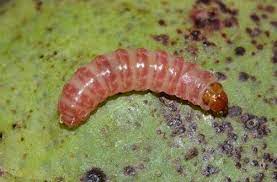
The Pink Bollworm (PBW), a highly destructive cotton pest, has reached unprecedented levels of infestation in the Indian states of Rajasthan and Haryana, severely affecting cotton crops. Originally native to India, PBW has now spread to cotton-growing regions worldwide. Adult PBWs are small moths, while the larvae are the most damaging stage, identified by distinctive pink bands. They feed on cotton bolls, consuming seeds and damaging fibers, leading to reduced crop yields and quality. The infestation also impacts other plants like hibiscus, okra, and hollyhock. This outbreak threatens the livelihoods of cotton farmers and calls for urgent pest management measures.
Facts/Terms for UPSC Prelims
- Cotton Boll: A cotton boll is a fruit of the cotton plant, containing both lint fibers and seeds. It is a critical part of cotton production.
- Pupate: Pupation is the stage in an insect’s life cycle where it transforms from a larva into an adult, typically inside a protective cocoon.
- Lint Fiber: Lint fiber refers to the cotton fibers used for textile production. Quality lint is crucial for the textile industry.
- Pest Management: Pest management involves strategies and practices to control and mitigate the impact of pests, such as insects, on crops and agricultural production.
- Crop Yield: Crop yield refers to the amount of a specific crop harvested per unit of land area. Pest infestations can significantly reduce crop yields.