
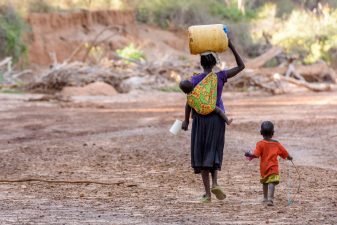
India has one of the highest poverty rates in the world. Approximately 22% of its population lives below the poverty line. This condition affects millions, leading to various developmental issues. Poverty impacts health, education, and social stability.
Poor Health Outcomes
Poverty is closely linked to poor health. Many people in poverty lack access to healthcare, clean water, and sanitation. This leads to high rates of diseases and malnutrition. For instance, India has the highest number of stunted children globally. Nearly one-third of the world’s stunted children live in India. Poor health outcomes are evident in high infant mortality rates as well. The National Family Health Survey (2019-21) reported an infant mortality rate of 35.2 per 1,000 live births.
Access to Education
Education is often limited for children from poor families. Many must drop out of school to support their families. This perpetuates the cycle of poverty. Girls are particularly affected. They are frequently denied education and are married off at a young age. Limited educational opportunities hinder their future prospects.
High Infant Mortality Rates
Poverty contributes to high infant mortality rates. Infants born into poverty often lack adequate nutrition and healthcare. This lack of resources increases the risk of death during infancy. The effects of poverty on health are deep and long-lasting.
Social Exclusion
Poverty leads to social exclusion. Individuals living in poverty often cannot participate in economic and social activities. This exclusion limits their opportunities for advancement. It also encourages feelings of isolation and helplessness.
Increased Crime Rates
High poverty levels can lead to increased crime rates. Individuals may resort to criminal activities as a means of survival. Economic desperation can drive people to theft or other illegal activities. This creates a cycle of crime and poverty that is hard to break.
Inadequate Housing and Sanitation
Poor housing conditions are prevalent among impoverished communities. Many lack access to clean water and sanitation facilities. This situation leads to health problems such as diarrhoea and other waterborne diseases. Inadequate housing also affects mental health and overall well-being.
Gender Inequality
Poverty disproportionately affects women and girls. They face barriers to education and employment. Women often work in low-paid, insecure jobs. Cultural norms further entrench gender inequality, leading to early marriages and limited opportunities.
Environmental Degradation
Poverty can drive unsustainable practices. Overuse of natural resources and deforestation are common in impoverished areas. These practices harm the environment and threaten future resources. Environmental degradation also exacerbates poverty in a vicious cycle.
Internal Migration
Many individuals migrate from rural areas to urban centres in search of better opportunities. This migration can lead to the growth of slums and an increase in the informal sector. Urban areas often struggle to provide adequate services for this influx of people.
Demographic Changes
The relationship between demography and poverty is complex. Rapid population growth increases competition for resources. This pressure can lead to poverty and inequality. Lack of family planning access contributes to high fertility rates, further complicating the issue.
Malnutrition
Poverty is a primary cause of hunger and malnutrition. Insufficient nutrient intake affects physical and mental development. Early childhood malnutrition has long-term health impacts. According to the Global Nutrition Report, 38% of children under five are stunted, and 21% are wasted.
Unemployment
Unemployment is rampant among the poor. Many migrate in search of work but face limited opportunities. Illiteracy and lack of skills restrict their employment options. This often forces individuals into low-wage jobs or begging.
Illiteracy
Illiteracy rates are higher among the poor. Lack of education restricts access to better job opportunities. Those without skills often end up in unskilled labour. This cycle of illiteracy and low wages perpetuates poverty.
Feminisation of Poverty
Women are disproportionately affected by poverty. The number of poor women exceeds that of poor men. Factors include low income, gender inequality, and lack of property rights. Women face barriers to education and healthcare.
Health, Hygiene, and Sanitation
Poor health outcomes are linked to inadequate hygiene and sanitation. Many lack knowledge about proper hygiene practices. The unavailability of clean drinking water exacerbates health issues. This creates a cycle of poor health and lost productivity.
Weak Civil Society
A weak civil society hampers efforts to address poverty. Many NGOs rely on government funding, limiting their advocacy. This dependence can lead to misalignment with community needs. MNCs may influence NGO agendas, prioritising corporate interests over social issues.
Crime and Social Tension
Poverty often leads to social tensions and crime. Income disparity creates friction between rich and poor. Concentration of wealth among a few can result in social disturbances. Fair distribution of resources is essential for social stability.
Child Labour and Modern Slavery
Poverty forces children into labour. Many children drop out of school to support their families. They work in unsuitable conditions, affecting their health and well-being. Despite laws against child labour, it remains prevalent in various sectors.
Bonded Labour
Some families become trapped in bonded labour due to debt. They work under harsh conditions without fair compensation. This modern form of slavery denies them basic rights and freedoms. Many live in a cycle of poverty with no escape.
Cycle of Poverty
Poverty creates a vicious cycle. Poor health, lack of education, and unemployment reinforce each other. This cycle is difficult to break. Efforts to address one aspect must consider the interconnected nature of these issues.
Government Initiatives
The Government of India has implemented various schemes to combat poverty. Programs focus on education, healthcare, and employment. Initiatives like the Mahatma Gandhi National Rural Employment Guarantee Act (MGNREGA) aim to provide job security. However, challenges remain in effective implementation and reach.
Role of NGOs
Non-governmental organisations play important role in addressing poverty. They provide education, healthcare, and vocational training. NGOs often work in communities to empower individuals. However, they face challenges related to funding and influence.
International Aid and Support
International organisations provide aid to combat poverty in India. These efforts focus on sustainable development and human rights. Collaboration between governments, NGOs, and international bodies is essential for effective poverty alleviation.
Community-Based Approaches
Community involvement is vital in addressing poverty. Local initiatives can tailor solutions to specific needs. Empowering communities encourages ownership and sustainability. Grassroots movements can drive change from within.
Future Prospects
Addressing poverty in India requires a multi-faceted approach. Solutions must consider health, education, and economic opportunities. Long-term strategies are needed to break the cycle of poverty. Collaboration among various stakeholders is essential for progress.
Last Modified: March 24, 2025