
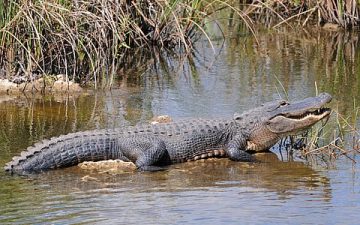
Recent research marks the preventable nature of alligator attacks in Florida. The study, conducted by scientists at the University of Florida and Centre College, analysed nearly 300 years of human-alligator interactions. It revealed that risky human behaviours often precede these encounters. The findings tell the importance of awareness and caution around alligator habitats.
Research Methodology
The researchers utilised the CrocBITE database, now known as CrocAttack.org, to analyse records from 1734 to 2021. They augmented this data with internet searches, literature reviews, and communications with wildlife agencies. Each incident was classified based on the level of human risk involved, ranging from no risk to high risk.
Risky Human Behaviours
The study found that 96 per cent of alligator attacks were linked to some form of human inattention or risk-taking. Moderate-risk behaviours, such as swimming in alligator-inhabited waters, were the most common precursors to attacks. Fatal incidents often occurred following high-risk actions, such as deliberately entering these waters.
Low-Risk Behaviours
Conversely, low-risk behaviours, like walking near water or simply being on land, rarely resulted in attacks. This suggests that humans can reduce their risk of an encounter by avoiding risky situations around alligator habitats.
About Alligator Behaviour
The researchers emphasised that alligators do not seek conflict. Many attacks occur when humans unknowingly trigger the alligator’s natural defence mechanisms or hunting instincts. Actions like splashing in the water can attract alligators, leading to potential encounters.
Recommendations for Safety
The study advocates for increased awareness and education on safe behaviours around alligators. Wildlife managers are encouraged to adopt targeted communication strategies. Promoting safe practices could reduce the number of bites and the subsequent need to euthanise alligators involved in attacks.
Implications for Wildlife Management
The findings have implications for wildlife management. Increased public awareness can lead to safer interactions between humans and alligators. This could help maintain alligator populations while ensuring human safety.
Questions for UPSC:
- Examine the role of human behaviour in wildlife interactions, taking the example of alligator attacks in Florida.
- Discuss in the light of the study how awareness can mitigate human-wildlife conflicts.
- Critically discuss the impact of risky human behaviours on ecosystem balance, with suitable examples.
- Analyse the effectiveness of wildlife management strategies in preventing human-wildlife conflicts, particularly in urban areas.
Answer Hints:
1. Examine the role of human behaviour in wildlife interactions, taking the example of alligator attacks in Florida.
- 96% of alligator attacks are linked to risky human behaviours.
- Moderate-risk actions, like swimming in alligator-infested waters, often precede attacks.
- High-risk behaviours, such as deliberately entering these waters, lead to fatal incidents.
- Low-risk behaviours rarely result in attacks, indicating that awareness can reduce risks.
- Human inattention or risk-taking triggers alligator defensive responses, showing a clear link between behaviour and wildlife interactions.
2. Discuss in the light of the study how awareness can mitigate human-wildlife conflicts.
- Increased public awareness can lead to safer interactions with wildlife, such as alligators.
- Education on risky behaviours can help individuals avoid situations that provoke attacks.
- Wildlife managers can implement targeted communication strategies to promote safe practices.
- Awareness of surroundings helps minimize human actions that attract wildlife, reducing conflict chances.
- Promoting safety can decrease the number of bites and the need for euthanizing problematic animals.
3. Critically discuss the impact of risky human behaviours on ecosystem balance, with suitable examples.
- Risky behaviours can disrupt natural predator-prey dynamics, as seen with alligators and humans.
- Human activities, like swimming in alligator habitats, can lead to increased animal aggression and alter their natural behaviour.
- Frequent human interaction may cause wildlife to lose their natural fear, leading to more conflicts.
- Increased human presence can lead to habitat degradation, impacting biodiversity and ecosystem health.
- Examples include increased alligator attacks leading to culling, which disrupts the local ecological balance.
4. Analyse the effectiveness of wildlife management strategies in preventing human-wildlife conflicts, particularly in urban areas.
- Wildlife management strategies aim to educate the public about safe behaviours to reduce conflicts.
- Effective communication can lead to increased awareness and behavior modification among residents.
- Urban planning that considers wildlife habitats can minimize encounters, such as creating buffer zones.
- Targeted outreach programs can help inform communities about local wildlife and risks associated with interactions.
- Monitoring and adjusting strategies based on incident reports can enhance the effectiveness of management efforts.