
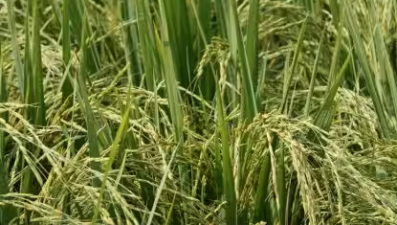
Punjab Chief Minister Bhagwant Singh Mann recently announced a ban on the cultivation of the PUSA-44 paddy variety starting from the next agricultural year. PUSA-44 was once widely popular among Punjab’s farmers for its high yield. However, declining groundwater levels, water scarcity issues, and its role in exacerbating stubble burning have prompted the state government to discourage its cultivation. This article delves into the history of PUSA-44 cultivation, its impressive yield compared to other varieties, reasons behind the ban, and its role in stubble burning.
The Rise of PUSA-44 in Punjab: Developed in 1993 by the Indian Council of Agricultural Research (ICAR), PUSA-44 initially found favor among a few farmers in Punjab. Its remarkable yield prompted its widespread adoption, covering approximately 70 to 80 percent of the state’s paddy cultivation by the end of the 2010s. With claims of yields ranging from 85 to 100 quintals per acre, PUSA-44 outperformed other paddy varieties, which typically yielded around 28 to 30 quintals per acre.
Reasons for the Ban:
- Long Maturity Period: PUSA-44 has an extended maturity period, taking approximately 160 days to mature—35 to 40 days longer than other varieties. This longer duration necessitates 5-6 additional cycles of irrigation, exacerbating the state’s groundwater depletion crisis.
- Groundwater Conservation: Punjab faces severe groundwater depletion, with the majority of agricultural blocks designated as ‘dark zones.’ Banning PUSA-44 aims to conserve one month of irrigation water, which is crucial for sustainable agricultural practices.
- Stubble Burning: PUSA-44’s late harvest, just before the ideal wheat sowing period, leaves farmers with a limited timeframe to manage stubble disposal effectively. This challenge contributes to increased incidents of stubble burning, a significant environmental concern in the region.
Role in Stubble Burning: PUSA-44’s late maturity aligns its harvest with the wheat sowing season, creating a tight window for stubble management. Proper stubble disposal requires 20 to 25 days between paddy harvesting and wheat sowing. This constraint makes it challenging for farmers to employ in-situ and ex-situ stubble management methods, resulting in heightened stubble burning incidents. Additionally, PUSA varieties generate around 2 percent more stubble than shorter-duration varieties, exacerbating the problem when cultivated on a large scale.
Punjab’s Stubble Burning Incidents: Stubble-burning incidents are notably higher in districts where PUSA-44 is extensively cultivated, including Barnala, Sangrur, Ludhiana, Moga, Patiala, Fatehgarh Sahib, Muktsar, Bathinda, Faridkot, and Mansa. According to the Punjab Remote Sensing Centre (PRSC), Sangrur witnessed stubble burning in 73 percent of its rice cultivation areas in 2022, with other districts reporting similar high percentages. These fires typically began in the third week of October, coinciding with the harvest of the long-duration PUSA variety, and persisted until late November.
Conclusion: The ban on the PUSA-44 paddy variety in Punjab reflects the state government’s efforts to address pressing agricultural and environmental concerns. While PUSA-44’s high yield was once a source of satisfaction for farmers, its late maturity, increased irrigation demands, and role in stubble burning have raised significant challenges. This ban underscores the need for sustainable agricultural practices and water conservation in Punjab, aiming to strike a balance between agricultural productivity and environmental responsibility.
Last Modified: February 22, 2024