
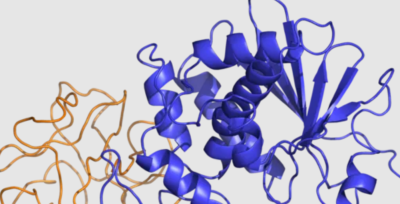
Recent events have brought ricin, a deadly toxin, into the spotlight. Authorities in Gujarat arrested three men, including a doctor with a Chinese medical degree, for allegedly planning a terror attack using ricin. They had surveyed key locations in Lucknow, Delhi and Ahmedabad. This has raised concerns due to ricin’s extreme toxicity and ease of production from castor beans.
What Is Ricin?
Ricin is a protein toxin extracted from castor beans. The castor plant is grown widely in countries including India, Brazil and China. Ricin makes up 1 to 5 per cent of the solid residue after oil extraction. It is highly lethal even in tiny doses. Just 1 milligram mixed in food can kill an adult.
How Ricin Affects the Body
After entering the body, ricin binds to ribosomes in cells. Ribosomes read genetic codes and make proteins. Ricin blocks this process, stopping protein synthesis. This causes cell death and organ failure. Depending on exposure, symptoms range from vomiting and diarrhoea to seizures and multi-organ failure.
Modes of Exposure
Ricin poisoning can occur by ingestion, inhalation or injection. Ingesting ricin causes severe gastrointestinal symptoms and low blood pressure. Inhalation leads to breathing difficulty and chest tightness. Injection can cause rapid organ shutdown. Children may accidentally swallow castor seeds but usually remain unharmed unless the seed is cracked.
Treatment and Medical Challenges
No antidote exists for ricin poisoning. Treatment is supportive and symptom-based. Early hospitalisation may allow stomach pumping or induced vomiting. However, ricin is often absorbed by the time medical help arrives. Its rarity means doctors may not suspect it initially, complicating diagnosis.
Historical and Military Context
Ricin’s toxicity attracted military interest during and after World War I. Attempts to weaponise it faced challenges in stability and aerosolisation. Iraq tried to develop inhalable ricin in 1980. It is classified as a Schedule 1 toxin under the Chemical Weapons Convention, alongside nerve and blister agents.
Criminal Use and Security Concerns
Ricin has been used in assassination and terror plots. The most famous case is the 1978 murder of Bulgarian dissident Georgi Markov in London. There have been incidents of ricin letters and home production attempts. Its easy availability from castor plants makes it a persistent security threat.
Questions for UPSC:
- Point out the challenges in controlling chemical weapons like ricin under international law and treaties.
- Critically analyse the role of forensic science and intelligence in preventing biochemical terror attacks with examples.
- Estimate the impact of bioterrorism on public health infrastructure and disaster management in India.
- What are the ethical and legal implications of dual-use biological research? How can India balance scientific advancement with security concerns?
Answer Hints:
1. Point out the challenges in controlling chemical weapons like ricin under international law and treaties.
- Ricin is classified as a Schedule 1 toxin under the Chemical Weapons Convention (CWC), indicating highest risk substances.
- Challenges include detection difficulties due to ricin’s natural origin and ease of extraction from castor beans.
- Limited forensic evidence and small quantities needed complicate enforcement and verification.
- Non-state actors and terrorists may bypass state controls, increasing risk of illicit use.
- International cooperation is hampered by varying national capacities and priorities in monitoring and enforcement.
- Dual-use nature of castor plants and medical research complicates regulation without hindering legitimate use.
2. Critically analyse the role of forensic science and intelligence in preventing biochemical terror attacks with examples.
- Forensic science aids in detecting and identifying toxins like ricin from samples, crucial for early intervention.
- Intelligence gathering helps uncover terror plots, as in Gujarat arrests involving ricin production and target surveillance.
- Challenges include rarity of cases leading to limited forensic expertise and delayed suspicion in clinical diagnosis.
- Integration of forensic data with intelligence improves source tracing and disrupts supply chains.
- Examples – 1978 Georgi Markov assassination and intercepted ricin letters showcase forensic and intelligence roles.
- Continuous capacity building and inter-agency coordination are essential for effective prevention.
3. Estimate the impact of bioterrorism on public health infrastructure and disaster management in India.
- Bioterrorism can overwhelm healthcare with sudden mass casualties and complex toxin-related symptoms.
- India’s limited awareness and diagnostic capacity for rare toxins like ricin delay treatment and containment.
- Public health systems require rapid response protocols, isolation, and symptomatic treatment facilities.
- Disaster management must integrate bio-threat preparedness, including surveillance, stockpiling antidotes (if any), and training.
- Psychological impact and public panic necessitate communication strategies to maintain order.
- Resource constraints and large population increase vulnerability to widespread bioterror attacks.
4. What are the ethical and legal implications of dual-use biological research? How can India balance scientific advancement with security concerns?
- Dual-use research can advance medicine but also enable development of biological weapons like ricin.
- Ethical concerns include misuse potential, accidental release, and privacy in genetic research.
- Legal frameworks must regulate research, enforce biosafety, and monitor sensitive materials.
- India can adopt transparent oversight committees and international compliance to mitigate risks.
- Promoting responsible science includes awareness, training, and restricting access to dangerous pathogens.
- Balancing innovation and security requires collaboration between scientists, policymakers, and security agencies.