
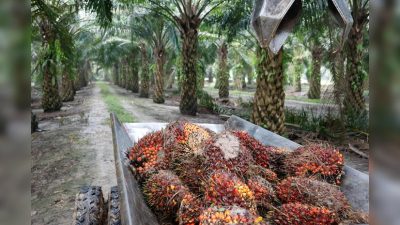
The recent surge in palm oil prices has sent shockwaves through the consumer goods sector. Companies like Godrej Consumer Products have reported impacts on their soap segments. This has led to a notable decline in their stock prices. The Government of India’s decision to increase import duties on palm oil has compounded the issue. As a result, manufacturers are grappling with rising costs, leading to higher prices for consumers.
Current Market Dynamics
Palm oil prices have risen sharply due to supply constraints in Southeast Asia. Indonesia and Malaysia, the two largest producers, are facing reduced output from extreme weather conditions. Export levies from these countries have further inflated global prices. The situation is exacerbated by Indonesia’s new biofuel initiative, which increases domestic demand for palm oil.
Government Policy Changes
In response to rising prices, the Government of India raised import duties on crude and refined palm oil by 20 percentage points. The effective duties now stand at 27.5% for crude and 37.75% for refined palm oil. This policy aims to support domestic oilseed farmers by making imported oils more expensive. However, it has also strained manufacturers who rely heavily on palm oil.
Impact on Manufacturers
Manufacturers of fast-moving consumer goods (FMCG) are feeling the pressure. Companies like Hindustan Unilever and Britannia have flagged concerns about earnings. Many are raising retail prices or reducing product sizes to cope with increased costs. This trend is evident across various products, from soaps to snacks.
Consumer Consequences
Consumers are facing rising prices for essential goods. Manufacturers have started passing on the increased costs to consumers. For instance, some companies have reduced the weight of their products while maintaining price points. This has led to a general increase in the cost of living as consumers adjust to higher prices.
Future Outlook
The outlook for palm oil prices remains uncertain. Global prices are likely to stay high due to ongoing supply constraints and government policies in producing countries. However, declining prices of alternative vegetable oils may provide some relief. The potential reconsideration of export levies by Malaysia could also improve supply dynamics.
Strategies for Adaptation
To cope with rising costs, manufacturers are employing various strategies. Some are reformulating products to reduce reliance on palm oil. Others are gradually passing on price increases to consumers. The approach varies by company, depending on their market position and product type.
Potential for Relief
Relief for consumers may be slow. Analysts warn that margin pressures will persist for several quarters. While there may be some easing from alternative oils, the overall trend points towards continued high prices for palm oil and related products.
Questions for UPSC:
- Critically discuss the implications of rising palm oil prices on India’s economy and consumer behaviour.
- Examine the role of government policies in shaping the agricultural landscape in India, particularly regarding oilseed farming.
- Point out the challenges faced by manufacturers in the FMCG sector due to fluctuating raw material prices.
- Analyse the impact of extreme weather events on global agricultural supply chains and food security.
Answer Hints:
1. Critically discuss the implications of rising palm oil prices on India’s economy and consumer behaviour.
- Rising palm oil prices increase production costs for FMCG, leading to higher retail prices.
- As palm oil is a staple in cooking and food production, consumers face increased living costs.
- Higher prices can reduce disposable income, affecting consumer spending and overall economic growth.
- Inflationary pressures may rise, prompting potential government intervention to stabilize prices.
- Consumer behavior may shift towards alternative oils or lower-priced products, altering market dynamics.
2. Examine the role of government policies in shaping the agricultural landscape in India, particularly regarding oilseed farming.
- The government raised import duties on palm oil to protect domestic oilseed farmers and encourage local production.
- Policies aim to diversify crops, promoting soybeans and groundnuts as alternatives to palm oil.
- Support for domestic farmers is intended to enhance income and sustainability in the agricultural sector.
- However, such policies can lead to increased costs for manufacturers reliant on imported oils.
- Long-term impacts may include improved self-sufficiency in edible oils, but short-term supply constraints persist.
3. Point out the challenges faced by manufacturers in the FMCG sector due to fluctuating raw material prices.
- Manufacturers face increased costs for raw materials, impacting profit margins .
- Price volatility forces companies to adjust pricing strategies, which can alienate price-sensitive consumers.
- Many manufacturers are compelled to reduce product sizes or reformulate products to manage costs.
- Inconsistent supply chains due to weather events and government policies complicate inventory management.
- Overall, fluctuating prices create uncertainty, making long-term planning and investment difficult.
4. Analyse the impact of extreme weather events on global agricultural supply chains and food security.
- Extreme weather disrupts crop yields, leading to reduced supply of key agricultural products like palm oil.
- Supply chain disruptions can cause price spikes, affecting global food security and access to essential goods.
- Increased volatility in agricultural output raises risks for manufacturers and consumers alike.
- Countries dependent on imports become vulnerable to price fluctuations and supply shortages.
- Long-term climate change poses a persistent threat to agricultural stability, necessitating adaptive strategies.