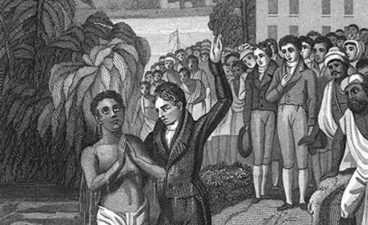
Christian missionary activities in British India spanned from the 18th to the 20th century. These efforts were closely linked to British colonial rule. The arrival of missionaries began...
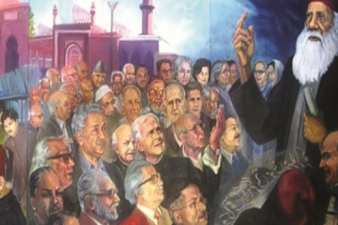
The Aligarh Movement emerged in the late 19th century under Sir Syed Ahmad Khan. It aimed to uplift the Muslim community in India through modern education and social...
The 19th century in India was marked by social and religious reform movements. This period was characterised by rigid caste structures and social decadence. British colonial rule exposed...
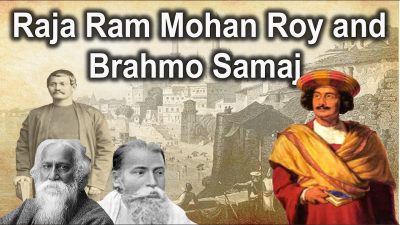
Brahmo Samaj is socio-religious reform movement founded in India in the 19th century. It aimed to reform Hinduism and promote rationalism. The movement emerged during a period of...
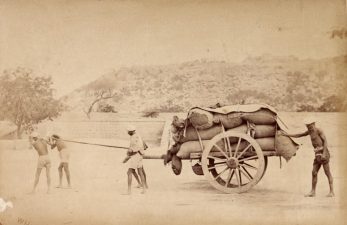
During British rule in India, infrastructure development was largely focused on the interests of the British Empire. The main aim was to extract resources and enhance trade routes....
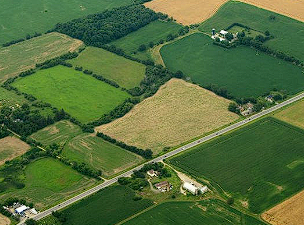
The commercialisation of agriculture in India occurred during British colonial rule from the mid-18th century to 1947. This shift transformed farming practices, moving from subsistence to cash crop...
India has a rich tradition of handicrafts, with a history of blending agriculture and artisanal production. Handicrafts were integral to the village economy, supporting livelihoods and local culture....
Land revenue is a tax imposed on agricultural land. It serves as source of income for governments. In India, land revenue systems have evolved over centuries. The British...
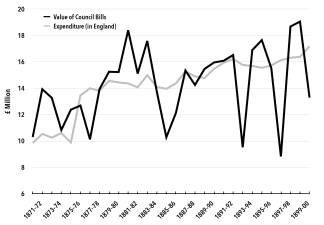
The Drain of Wealth Theory describes the economic exploitation of India during British colonial rule. It marks the unidirectional flow of wealth from India to Britain without any...
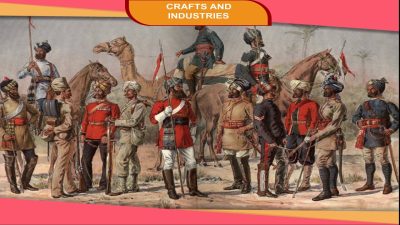
The British administration in India was a structured system aimed at consolidating imperial control. It evolved from the East India Company’s initial governance to a comprehensive bureaucratic framework...