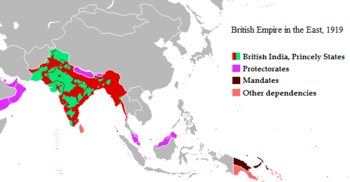
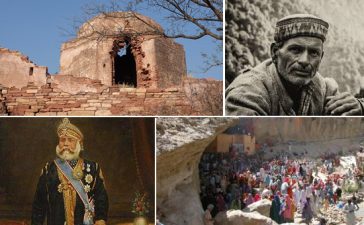
Princely states were semi-autonomous regions in India during British rule. They were ruled by local monarchs under the indirect control of the British. This system emerged during the...
By 1818, the British had established control over most of the Indian subcontinent. Punjab and Sindh were notable exceptions. British rule varied in nature; some regions were directly...
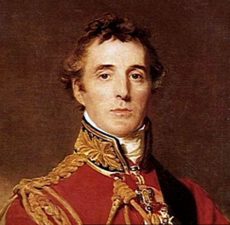
Introduction to Lord Wellesley Lord Richard Colley Wellesley was a British statesman and colonial administrator. He served as Governor-General of India from 1798 to 1805. Born on June...
The Doctrine of Lapse was a policy by the British East India Company in the mid-19th century. It aimed to annex princely states without a direct male heir....
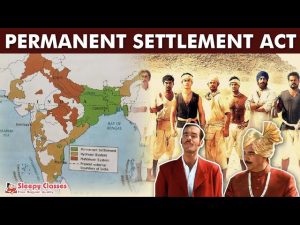
The Permanent Settlement of 1793, known as the Zamindari System, was a land revenue policy introduced by the British East India Company. Lord Cornwallis, the Governor-General, implemented this...
The Regulating Act of 1773 and Pitt's India Act of 1784 are key legislative measures in British colonial history. They aimed to regulate the British East India Company's...
Warren Hastings was born on December 6, 1732, in Churchill, Oxfordshire, England. He joined the British East India Company at a young age. Hastings quickly rose through the...
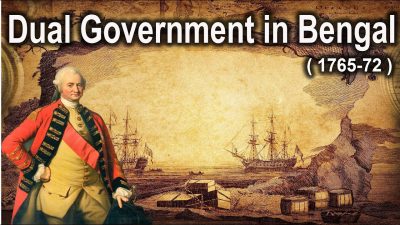
The Dual Government in Bengal was administrative system introduced by the British East India Company in 1765. This system arose following the Battle of Buxar. It marked a...
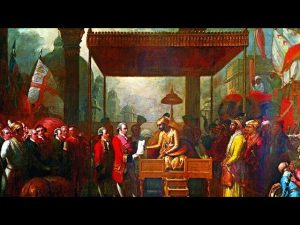
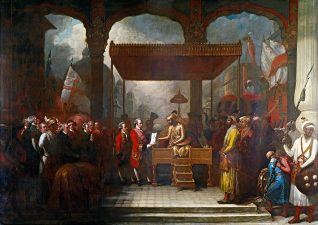
Diwani Rights refer to the legal authority to collect revenue from a specific territory. This term is primarily associated with the British East India Company's rights granted by...
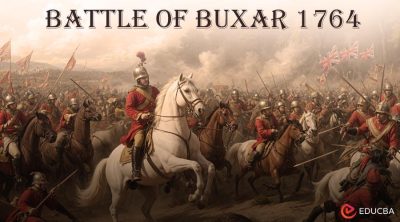
The Battle of Buxar was a very important conflict in Indian history. It occurred on October 22, 1764. This battle solidified British rule in India for nearly two...