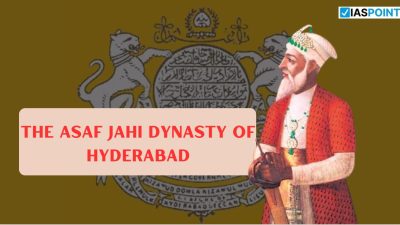
The Asaf Jahi dynasty ruled Hyderabad State from the early 18th century until India's independence in 1947. Founded by Mir Qamar-ud-Din Siddiqi, the dynasty emerged from the crumbling...
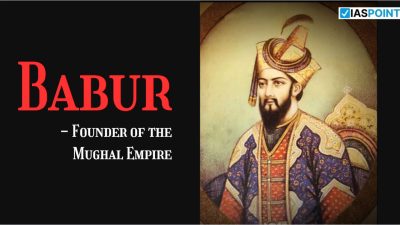
Babur, also known as Zahiruddin Muhammad Babur, was the founder of the Mughal Empire in India. He was born on 14 February 1483 in present-day Uzbekistan. Babur descended...
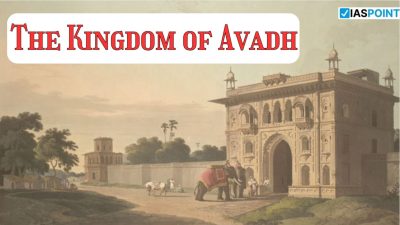
Avadh, also known as Awadh or Oudh, was a prominent kingdom in northern India. Its history is marked by political, cultural, and economic developments. The kingdom emerged during...
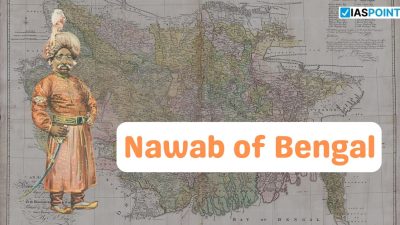
The Nawab of Bengal was a hereditary ruler in Mughal India. This title encompassed the regions of Bengal, Bihar, and Orissa. Today, these areas form parts of modern...
The Delhi Sultanate ruled from 1206 to 1526. It comprised five major dynasties - the Slave, Khilji, Tughlaq, Sayyid, and Lodi. The Sultanate was established following Muhammad Ghori's...
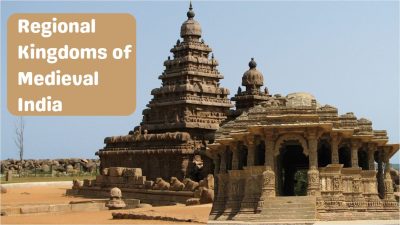
The period from the 13th to the 15th century in India witnessed the rise of regional kingdoms. These states emerged in the context of the decline of the...
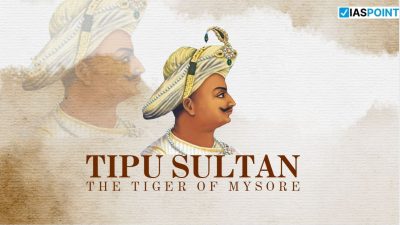
Tipu Sultan was born on 10 November 1750 in Devanahalli, Karnataka. He was the son of Hyder Ali, a military officer, and Fatima Fakhr-un-Nisa. Tipu was the eldest...
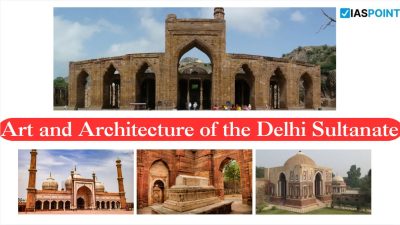
The Delhi Sultanate was a Muslim kingdom that ruled parts of the Indian subcontinent from the 13th to the 16th century. Founded in 1206 by Qutub-ud-din Aibak, it...
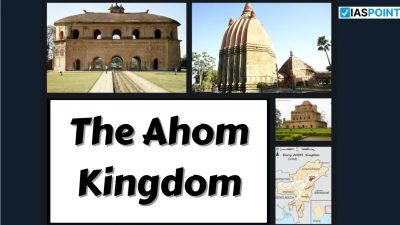
The Ahom Kingdom was a late medieval kingdom in the Brahmaputra Valley of Assam, established in 1228. It lasted for nearly 600 years, known for its multi-ethnic society...
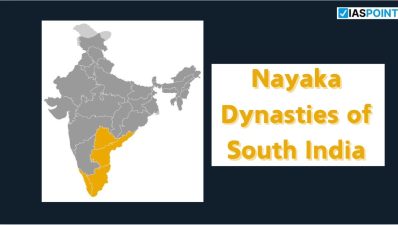
The Nayaka dynasties were a group of Hindu dynasties that emerged in South India during the Kakatiya dynasty and the Vijayanagara Empire period. They primarily consisted of military...