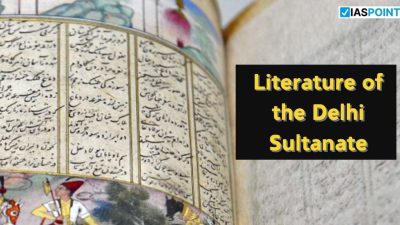
The literature of the Delhi Sultanate emerged with the rise of Persian-speaking rulers in India. Persian became the official language of the Sultanate, leading to the creation of...
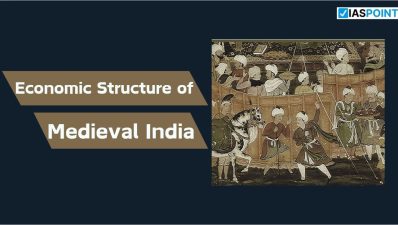
Agriculture Agriculture was the backbone of the medieval Indian economy. The fertile soil allowed for multiple harvests each year. Key crops included rice, wheat, pulses, sugarcane, jute, and...
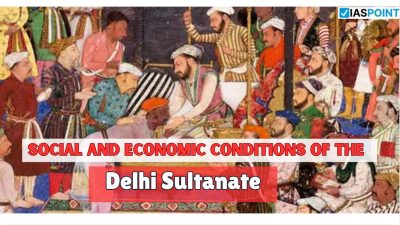
The Delhi Sultanate (1206-1526) marked period in Indian history. It introduced substantial changes in both social and economic structures. This era saw the rise of various dynasties, including...
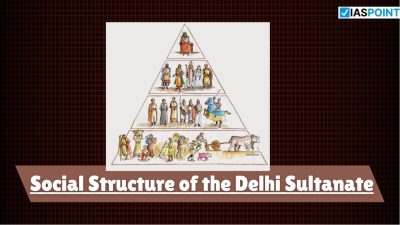
The Delhi Sultanate (1206-1526) was a period of political and cultural change in India. It influenced the social structure, particularly in terms of caste, gender roles, and religious...
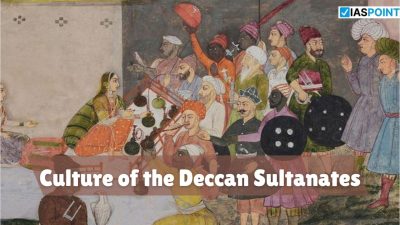
The Deccan Sultanates were five independent Muslim kingdoms in South India. They emerged after the decline of the Bahmani Sultanate in the 16th century. The sultanates included Ahmadnagar,...
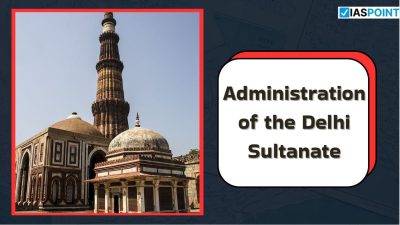
The Delhi Sultanate existed from 1206 to 1526 CE. It was marked by a centralised administrative system influenced by Islamic law, specifically Shariat. The Sultans and nobles were...
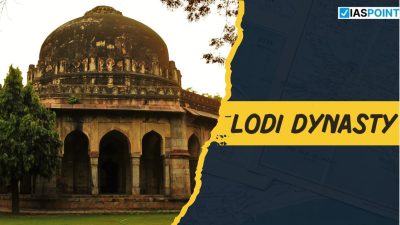
The Lodi Dynasty was the final ruling house of the Delhi Sultanate. It was established by Bahlul Lodi in 1451 AD. This dynasty was in shaping the political...
The Berar Sultanate was a prominent kingdom in the Deccan region of India. It was established in 1490 by Fathullah Imad-ul-Mulk after the decline of the Bahmani Sultanate....
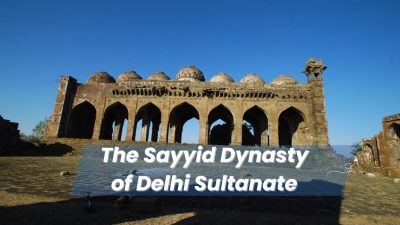
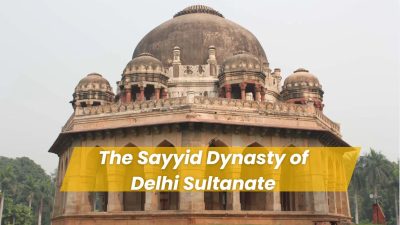
The Sayyid Dynasty ruled the Delhi Sultanate from 1414 to 1451. It emerged after the decline of the Tughlaq Dynasty. This period was marked by political instability and...
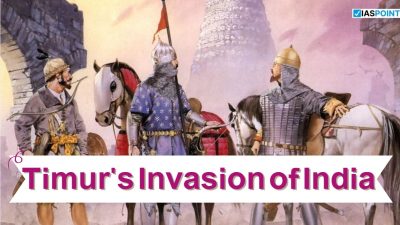
Timur, also known as Taimur or Taimur Lang, was a Central Asian conqueror. He earned the nickname "Lang" due to a limp from a battlefield injury. Born in...