The historical context of World War I is deeply rooted in the nationalistic and imperialistic movements of the 19th and early 20th centuries. Particularly in the Balkans, the...
The Austro-Hungarian Empire, a multi-ethnic conglomerate that existed from 1867 to 1918, was a complex tapestry of ethnicities and national aspirations. Within its borders, various linguistic and cultural...
The Ottoman Empire was a vast and complex entity that spanned across Southeast Europe, Western Asia, and North Africa. Its unique administrative system allowed for a diverse range...
The late 19th and early 20th centuries were a period of significant economic and political changes in the world. Among the nations experiencing these shifts, Germany and the...
Germany's Rise to Industrial Power By the dawn of the 20th century, Germany had emerged as a formidable force in the global industrial landscape. By 1914, it stood...
The Austro-Hungarian Empire, which existed from 1867 to 1918, was a complex political entity characterized by its diverse ethnic composition. This empire was essentially a dual monarchy, with...
Germany's naval expansion at the beginning of the 20th century was a significant factor in the growing tensions that eventually led to World War I. The German Reichstag,...
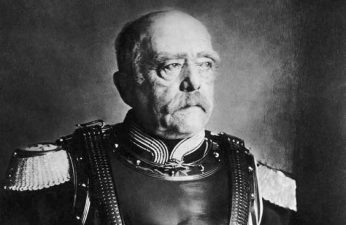
The late 19th century was a pivotal time in European history, marked by significant political shifts and the rise and fall of powerful leaders. Among them was Otto...
The late 19th century in Germany was marked by significant political maneuvers under the Chancellorship of Otto von Bismarck. Known for his forceful foreign policy and internal strategies,...
Otto von Bismarck, a prominent 19th-century statesman who unified the German states into a powerful German Empire under Prussian leadership, was acutely aware of the delicate balance of...