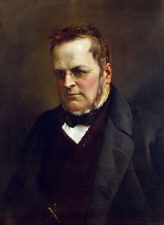
The unification of Italy and Germany in the 19th century stands as a pivotal moment in European history. The success of these movements can be largely attributed to...
Following the establishment of the German Empire after France's defeat in 1870–1871, Chancellor Otto von Bismarck focused on solidifying and nationalizing the diverse German states and their populations....
The unification of Germany and Italy in the 19th century were significant events that reshaped the political landscape of Europe. These unifications, though similar in their end goal,...
The ascension of William I to the Prussian throne marked a pivotal moment in German history. His desire for reform was met with resistance from the Prussian assembly,...
Germany in the late 19th century was characterized by significant political and territorial changes, which were largely orchestrated by the Prussian statesman Otto von Bismarck. His strategic maneuvering...
In the 19th century, Europe witnessed significant political transformations that led to the unification of both Italy and Germany. These events were pivotal in shaping modern European history....
The formation of the German Confederation in the early 19th century marked a significant step towards economic cooperation among the German states, with the exception of Austria. This...
Italy's path to unification was a complex and multifaceted process, marked by the efforts of several key figures whose dedication and strategic planning played crucial roles in the...
The 19th century was a pivotal period for Germany, marked by a fervent desire among its people for a unified and free nation-state. However, the Congress of Vienna...
Giuseppe Mazzini and the Birth of Italian Nationalism The unification of Italy is a story of passion, politics, and the indomitable spirit of key figures who dedicated their...