
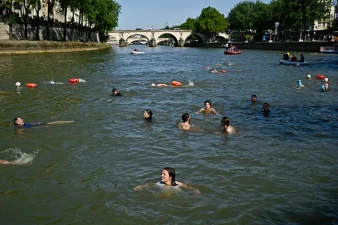
The River Seine in Paris was long infamous for pollution and unsafe water. Untreated sewage frequently entered the river, making it toxic and unfit for swimming. However, in July 2025, Parisians were finally allowed to swim in the Seine for the first time since 1923. This milestone followed a billion-dollar clean-up effort tied to the 2024 Paris Olympics, which used the river for swimming events. The transformation of the Seine marks urban water management and environmental restoration.
Historical Pollution of the Seine
The Seine has been a symbol of romance and culture in Paris. Despite its beauty, the river suffered from severe pollution for over a century. The primary cause was the city’s old combined sewage system. Rainwater and wastewater shared the same pipes. During heavy rainfall, these pipes overflowed. Untreated sewage then flowed directly into the Seine. This led to high levels of E coli bacteria, harmful to humans and aquatic life. Swimming was banned in 1923 due to health risks.
Health Risks from Contamination
E coli is a bacteria found in faecal matter. Some strains cause serious illnesses like gastrointestinal infections and urinary tract infections. The Seine’s E coli levels often exceeded safe limits, making the river a health hazard. Aquatic species also suffered, reducing biodiversity. The pollution problem was both an environmental and a public health issue that demanded urgent action.
Major Clean-Up Initiatives
Paris committed over one billion dollars to clean the Seine as part of its 2024 Olympic preparations. A key solution was building a massive underground rainwater storage tank in southeastern Paris. This tank can hold water equivalent to 20 Olympic-size swimming pools. It prevents sewage overflow during heavy rains by storing excess runoff. The city also upgraded water treatment plants and connected thousands of homes to the sewer network. These measures greatly reduced untreated sewage entering the river.
Olympics and Public Swimming Revival
The Seine hosted swimming events during the 2024 Olympics despite some disruptions from rain. The successful management of water quality during the games demonstrated the effectiveness of the clean-up. Recently, the city officially opened three designated swimming zones along the Seine. These sites can accommodate over 1,000 swimmers daily in summer. Authorities will conduct daily water quality tests during the swimming season to ensure safety.
Significance for Urban Water Management
The Seine clean-up is an example of how infrastructure investment can restore urban waterways. It shows the importance of separating rainwater and sewage systems to prevent contamination. The project also marks the role of international events in accelerating environmental improvements. Paris’ experience offers lessons for other cities facing similar pollution challenges.
Questions for UPSC:
- Taking example of the Seine River clean-up, discuss the role of urban infrastructure development in improving environmental health.
- Examine the challenges of managing combined sewage systems in large cities and suggest sustainable solutions.
- Analyse the impact of international sporting events like the Olympics on urban environmental policy and infrastructure.
- Discuss in the light of water pollution control measures, how public participation and government initiatives can together improve river ecosystems.
Answer Hints:
1. Taking example of the Seine River clean-up, discuss the role of urban infrastructure development in improving environmental health.
- Old combined sewage systems cause pollution by mixing rainwater and wastewater, leading to overflow and contamination.
- Investment in infrastructure like underground rainwater storage tanks prevents sewage overflow during heavy rains.
- Upgrading water treatment plants improves the removal of contaminants before discharge into rivers.
- Connecting homes to proper sewer networks reduces direct discharge of untreated sewage into water bodies.
- Regular monitoring and maintenance ensure sustained water quality improvements.
- Urban infrastructure development transforms polluted rivers into safe, usable public spaces enhancing public health.
2. Examine the challenges of managing combined sewage systems in large cities and suggest sustainable solutions.
- Combined systems overflow during heavy rains, causing untreated sewage discharge into rivers.
- Old and inadequate infrastructure struggles to handle increasing urban runoff and wastewater volumes.
- High cost and complexity in upgrading or separating combined systems in dense urban areas.
- Sustainable solutions include building large underground retention tanks to hold excess runoff temporarily.
- Separating rainwater and sewage pipes to prevent contamination and overflow events.
- Enhancing wastewater treatment capacity and promoting green infrastructure (e.g., permeable surfaces) to reduce runoff.
3. Analyse the impact of international sporting events like the Olympics on urban environmental policy and infrastructure.
- Major events create deadlines and incentives for accelerated infrastructure upgrades and environmental projects.
- They bring global attention, increasing political will and funding for urban environmental improvements.
- Olympics in Paris spurred a billion-dollar Seine clean-up, including sewage system upgrades and water quality monitoring.
- Events demonstrate feasibility and benefits of environmental initiatives, encouraging long-term policy changes.
- They promote sustainable urban development models that can be replicated in other cities.
- However, pressure to meet event deadlines can sometimes lead to rushed or temporary solutions.
4. Discuss in the light of water pollution control measures, how public participation and government initiatives can together improve river ecosystems.
- Government initiatives provide infrastructure, regulations, and monitoring essential for pollution control.
- Public participation raises awareness, encourages responsible waste disposal, and supports conservation efforts.
- Community involvement can help in reporting pollution and participating in river clean-up drives.
- Joint efforts ensure compliance with environmental norms and encourage a sense of ownership among citizens.
- Education campaigns and transparency in water quality data build trust and motivate behavioral change.
- Collaboration leads to sustainable river ecosystem restoration and maintenance over time.