
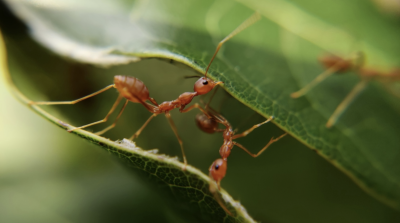
The recent seizure of 2,000 ants in Nairobi has drawn attention to the growing issue of global insect trafficking. This incident underscores the illegal trade in insects, which poses significant threats to biodiversity, agriculture, and ecosystems worldwide. Insects are increasingly targeted for exotic pet markets, scientific research, and traditional medicines, making them a new frontier in wildlife trafficking.
Details of the Nairobi Seizure
Authorities in Nairobi intercepted a shipment containing approximately 2,000 ants intended for illegal export. The ants were concealed to evade detection, signalling organised smuggling operations. This seizure is part of wider efforts by Kenyan officials to combat wildlife trafficking, which has traditionally focused on larger animals but is now expanding to include insects and other invertebrates.
Global Scale of Insect Trafficking
Insect trafficking is a rapidly growing illicit trade worldwide. Many species are prized for their rarity and unique characteristics. This trade threatens native insect populations, disrupts ecosystems, and can introduce invasive species to new environments. Countries in Asia, Africa, and Latin America are often source regions, while Europe, North America, and parts of Asia are major markets.
Impact on Biodiversity and Ecosystems
The illegal collection and trade of insects harm biodiversity by reducing population sizes and genetic diversity. Insects play crucial roles in pollination, decomposition, and as a food source for other animals. Disruptions caused by trafficking can lead to ecological imbalances, affecting agriculture and natural habitats. Additionally, invasive insect species introduced through trafficking can cause widespread environmental damage.
Measures to Combat Insect Trafficking
Efforts to combat insect trafficking include stricter customs inspections, improved legal frameworks, and international cooperation. Awareness campaigns aim to reduce demand for illegally traded insects. Organisations are also working to strengthen monitoring and enforcement, including the use of technology such as DNA barcoding to identify trafficked species. Capacity building for law enforcement agencies is critical for effective intervention.
What to Study for UPSC Exams?
- Wildlife Protection Laws in India
- Invasive Species and Ecological Impact
- Role of Insects in Ecosystems
- International Wildlife Trade Regulations
- Conservation Strategies for Biodiversity
Global Insect Trafficking
Global insect trafficking is an illicit trade involving the capture and sale of insects for exotic pets, scientific research, and traditional medicines. It threatens biodiversity by depleting native populations and facilitating invasive species introduction. Major source regions include Asia, Africa, and Latin America, while primary markets are Europe, North America, and parts of Asia. The trade is often organised and concealed to evade detection. It disrupts ecosystems and can harm agriculture by altering food webs and pollination processes. Increasingly recognised, insect trafficking demands international attention and coordinated law enforcement.
Role of Insects in Ecosystems
Insects are vital to ecosystems, performing pollination, decomposition, and serving as prey for many species. They contribute to nutrient cycling by breaking down organic matter and support food chains. Pollinators like bees enable plant reproduction, essential for agriculture and natural habitats. Insects also regulate pest populations and maintain soil health. Their genetic diversity ensures ecosystem resilience. Loss or disruption of insect populations can cause cascading ecological effects, impacting biodiversity, crop yields, and ecosystem stability.
Impact of Invasive Insect Species
Invasive insect species, introduced through trade or accidental transport, can outcompete native species and disrupt ecosystems. They may damage crops, spread diseases, and alter habitat structures. Examples include the emerald ash borer and red imported fire ant. These species often lack natural predators in new environments, allowing rapid population growth. Their presence can reduce native biodiversity and cause economic losses in agriculture and forestry. Management requires early detection, quarantine measures, and biological control methods.
Wildlife Protection Laws in India
India’s Wildlife Protection Act, 1972, is the primary legislation safeguarding wildlife, including insects under certain schedules. It prohibits hunting, trade, and possession of protected species without permits. The Act establishes protected areas and empowers authorities to enforce regulations. Amendments have expanded coverage to include more species and address habitat conservation. India is also a party to CITES, regulating international trade in endangered species. Enforcement challenges persist due to limited resources and the rise of new trafficking forms like insect smuggling.
International Wildlife Trade Regulations
International wildlife trade is regulated primarily by CITES (Convention on International Trade in Endangered Species of Wild Fauna and Flora), which lists species under Appendices based on threat levels. It requires permits for export and import to prevent over-exploitation. Other frameworks include the Convention on Biological Diversity and national laws. Despite regulations, illegal trade persists due to high demand and enforcement gaps. Efforts include improved monitoring, DNA barcoding for species identification, and global cooperation to combat trafficking networks.
Conservation Strategies for Biodiversity
Biodiversity conservation involves habitat protection, species management, and sustainable use policies. Strategies include establishing protected areas, restoring degraded ecosystems, and controlling invasive species. Community involvement and awareness campaigns are crucial. Scientific research guides conservation priorities and monitoring. Legal frameworks support enforcement against poaching and trafficking. International cooperation facilitates resource sharing and coordinated action. Conservation also integrates climate change adaptation to maintain ecosystem resilience and preserve genetic diversity.
Last Modified: April 8, 2026