
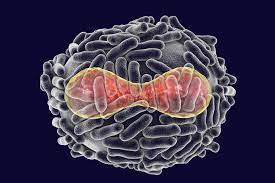
The Director-General of the World Health Organization (WHO) recently conveyed optimism regarding the potential eradication of smallpox from the South-east Asian region. Smallpox, a highly contagious and deadly disease caused by the variola virus, has two forms: Variola minor and Variola major. It spreads through various means, including airborne transmission, direct contact, and contaminated surfaces. Characterized by high fever and distinctive skin pustules, smallpox often results in severe scarring and fatality. The smallpox vaccine, pioneered by Edward Jenner in the 18th century, played a crucial role in the successful global eradication campaign launched by WHO in 1967, ultimately leading to the disease’s eradication worldwide by 1980.
Facts/Terms for UPSC Prelims
- Variola Virus: The virus responsible for causing smallpox, existing in two forms, Variola minor and Variola major, both highly virulent.
- Edward Jenner: The English physician credited with developing the smallpox vaccine, a landmark achievement in immunization history.
- Global Smallpox Eradication Campaign: A comprehensive initiative launched by WHO in 1967 to eliminate smallpox through vaccination and surveillance efforts.
- Airborne Transmission: The method by which smallpox spreads through the air when an infected person coughs or sneezes, making it highly contagious.
- Vaccination: The process of administering a vaccine, such as the smallpox vaccine, to confer immunity and prevent disease transmission. Edward Jenner’s work laid the foundation for modern vaccination practices.