
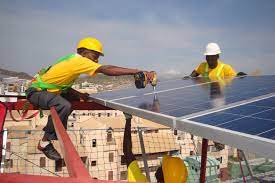
India’s commitment to promoting renewable energy and sustainable development has taken a significant stride with the expansion of its solar STAR-C initiative to Pacific Island nations. Operated in collaboration with the International Solar Alliance (ISA), this initiative aims to bolster solar power ecosystems in economically disadvantaged countries.
The STAR-C Initiative: Advancing Solar Energy Infrastructure
The STAR-C initiative, currently active in Tonga, is designed to enhance solar energy infrastructure and markets in least developed countries (LDCs) and small island developing states (SIDS). The program envisions creating sustainable solar ecosystems that empower local communities while contributing to global climate action goals.
India’s Diplomatic Push in the Pacific
The Prime Minister of India’s participation in a summit with Pacific Island countries has spurred India to increase its diplomatic presence in the region, which has become a focal point for increased outreach from China. Recognizing the strategic importance of the Pacific, India aims to strengthen ties with these nations by focusing on economic development, connectivity, and climate change cooperation.
Key Partnerships and Funding
The United Nations Industrial Development Organization (UNIDO) plays a crucial role in the STAR-C initiative alongside the ISA, with funding support provided by France. These partnerships enable the program to achieve its objectives of building solar workforces, standardizing products, setting up infrastructure, and raising awareness among policymakers in developing countries.
Expanding Outreach: From Africa to the Pacific
Initially, the STAR-C initiative aimed to support the Economic Community of West African States, the Pacific Island Forum (PIF), and the East African Community. However, in recent years, India has deepened its engagement with Pacific Island nations, as demonstrated by a comprehensive 12-step action plan for solar power projects announced by Prime Minister of India during the Forum on Pacific Islands Cooperation Summit.
Climate Change and Renewable Energy Cooperation
Climate change and renewable energy have emerged as vital areas of cooperation between India and the Pacific Island countries. These nations are particularly vulnerable to the impacts of climate change, such as rising sea levels and extreme weather events. India’s STAR-C initiative offers practical solutions to address these challenges, fostering clean and sustainable energy systems.
Geopolitical Implications
The Pacific Island countries have drawn the attention of major powers like the US and China due to geopolitical competition in the region. China’s attempts to establish security deals and pacts with the islands have prompted responses from other key players, including Australia and the Quad grouping.
The Quad’s Prioritization of Cooperation with the Pacific
The Quad group, comprising the US, Japan, Australia, and India, has recognized the importance of engaging with Pacific Island nations on shared aspirations and challenges. Climate action, ocean health, resilient infrastructure, maritime security, and financial integrity are areas of mutual interest and cooperation.
Last Modified: February 22, 2024