
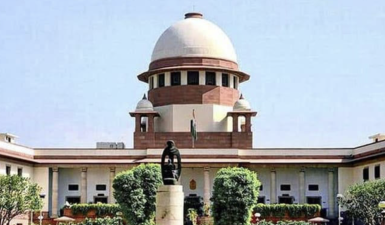
The Supreme Court of India has reiterated the importance of entertaining Public Interest Litigations (PILs) that are well-reasoned and founded on genuine public interest. This stance aims to ensure that PILs continue to serve as an effective tool for social justice and accountability, while discouraging frivolous or motivated petitions. The Court’s observations highlight the balance between access to justice and preventing misuse of the judicial process.
Significance of Public Interest Litigations
PILs are legal actions initiated in a court of law for the protection of public interest. They allow individuals or groups to seek judicial intervention on issues affecting the wider community, especially when the affected parties are unable to approach the court themselves. PILs have played a critical role in advancing environmental protection, human rights, and governance reforms in India.
Supreme Court’s Criteria for Entertaining PILs
The Supreme Court has stressed that PILs must be well-reasoned, meaning they should clearly demonstrate the public interest involved and be supported by relevant facts and legal grounds. The Court discourages PILs that are vague, frivolous, or motivated by personal interests. This approach ensures judicial resources are used efficiently and protects the integrity of the PIL mechanism.
Impact on Judicial Accountability and Social Justice
By upholding the principle that well-founded PILs deserve judicial attention, the Supreme Court reinforces the role of the judiciary as a guardian of public interest. This encourages transparency and accountability in government actions and promotes social justice. At the same time, the Court’s caution against misuse helps maintain a balance between judicial activism and restraint.
Challenges in the PIL Mechanism
Despite its benefits, the PIL mechanism faces challenges such as abuse by litigants with ulterior motives and excessive burden on courts. The Supreme Court’s emphasis on well-reasoned PILs aims to address these issues by filtering out petitions that lack substantive merit. This ensures that PILs remain a credible and effective tool for addressing genuine public concerns.
What to Study for UPSC Exams?
- Judicial Activism in India
- Access to Justice Mechanisms
- Constitutional Remedies under Article 32
- Separation of Powers
- Public Interest Litigation Evolution
Judicial Activism in India
Judicial activism in India involves courts actively interpreting laws to protect rights beyond strict legal provisions. It gained prominence post-1970s, especially through Public Interest Litigations. The Supreme Court expanded its role to enforce fundamental rights and address social issues, sometimes influencing policy decisions.
Access to Justice Mechanisms
Access to justice mechanisms include legal aid, Lok Adalats, and fast-track courts aimed at reducing barriers for marginalized groups. India’s Legal Services Authorities Act (1987) institutionalized free legal aid. Alternate Dispute Resolution methods are increasingly promoted to ease court burdens.
Constitutional Remedies under Article 32
Article 32 of the Indian Constitution guarantees the right to constitutional remedies, allowing individuals to approach the Supreme Court directly for enforcement of fundamental rights. It is called the “heart and soul” of the Constitution by Dr. B.R. Ambedkar. The Supreme Court can issue writs like habeas corpus and mandamus under this article.
Separation of Powers
Separation of powers divides government authority among the legislature, executive, and judiciary to prevent concentration of power. In India, this is a basic structure doctrine upheld by the Supreme Court. Despite overlap, judicial independence is maintained through checks and balances.
Public Interest Litigation Evolution
Public Interest Litigation (PIL) in India evolved in the 1980s to allow courts to address issues affecting disadvantaged groups. It relaxed traditional locus standi rules, enabling social activists to file petitions. PILs expanded judicial reach into governance, environment, and human rights domains.
Last Modified: April 10, 2026