
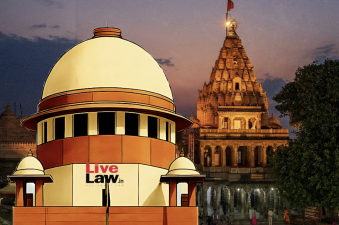
The Supreme Court declined to entertain a petition challenging the practice of VIP darshan at the Shri Mahakaleshwar temple in Ujjain. The Bench observed that courts are not meant to decide who may enter a temple and when. The remarks came during a hearing linked to access to the sanctum sanctorum and preferential treatment for certain visitors.
Petition on Preferential Access
The petitioner had challenged a Madhya Pradesh High Court order that dismissed objections to VIP access at the temple. The plea argued that special permission was being granted to selected persons to enter the garbh-griha and offer water to the deity, while ordinary devotees were denied similar access. The petitioner sought a uniform policy on entry into the sanctum.
Court’s View on Justiciability
The Chief Justice orally stated that such matters fall within the domain of the authorities managing the temple and the State. The court said it would not act as a gatekeeper for temple entry. It also observed that fundamental rights cannot be extended to unrestricted entry inside the sanctum sanctorum. The petitioner was allowed to withdraw the plea.
Temple Management and Public Facilities
In a separate matter, the Bench made oral observations on temple administration and pilgrim services. It noted that temples with limited government intervention for management often showed better facilities for devotees. The court referred to improvements funded through donations, including better accommodation, roads, and primary health services for visitors.
Anjaneya Temple Context
These observations were made in a case connected to the Anjaneya temple at Anjanadri Hills in Karnataka’s Koppal district. The temple is believed to be the birthplace of Lord Hanuman. The remarks brought into light the broader debate on temple governance, visitor access, and the role of State oversight in religious institutions.
Last Modified: April 27, 2026