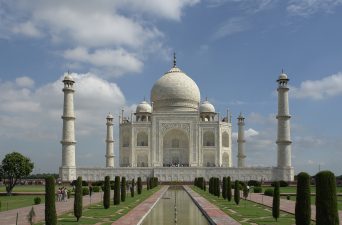
Architecture is the art and science of designing buildings and structures. It reflects cultural values and historical contexts. In India, architecture showcases diverse styles, from ancient temples to modern skyscrapers. Notable examples include Mughal architecture and colonial-era buildings. Architectural practices influence urban planning and sustainability. The discipline combines functionality with aesthetics, shaping the environment we inhabit. It plays a vital role in community identity.
Mughal architecture represents the zenith of Indo-Islamic structural design, blending Persian, Turkic, and Central Asian styles with indigenous Indian craftsmanship. It is characterized by the extensive use of...
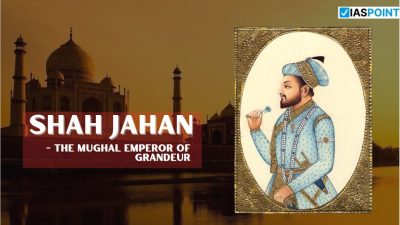
Shah Jahan, born on 5 January 1592, was the fifth Mughal Emperor, ruling from 1628 to 1658. He is renowned for his contributions to art and architecture, particularly...
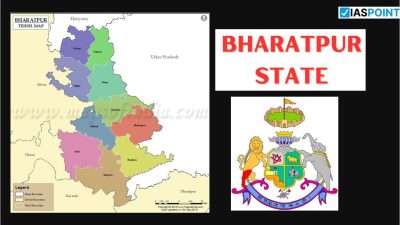
Bharatpur State was a princely state in India, ruled by the Sinsinwar clan of Hindu Jats. It existed under British suzerainty and is notable for its rich history...
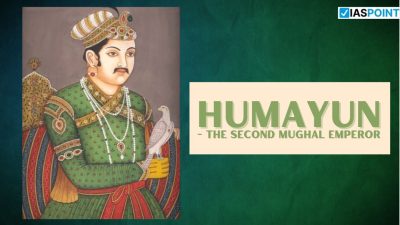
Humayun was born on March 6, 1508, in Kabul, Afghanistan. He was the eldest son of Babur, the founder of the Mughal Empire. Humayun had three brothers -...
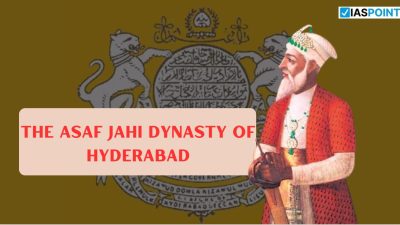
The Asaf Jahi dynasty ruled Hyderabad State from the early 18th century until India's independence in 1947. Founded by Mir Qamar-ud-Din Siddiqi, the dynasty emerged from the crumbling...
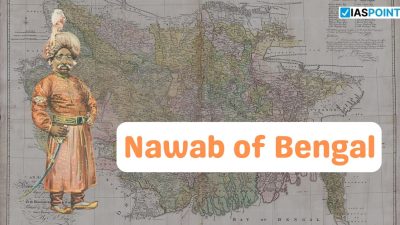
The Nawab of Bengal was a hereditary ruler in Mughal India. This title encompassed the regions of Bengal, Bihar, and Orissa. Today, these areas form parts of modern...
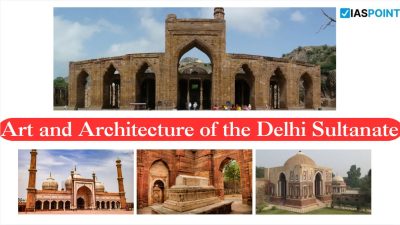
The Delhi Sultanate was a Muslim kingdom that ruled parts of the Indian subcontinent from the 13th to the 16th century. Founded in 1206 by Qutub-ud-din Aibak, it...
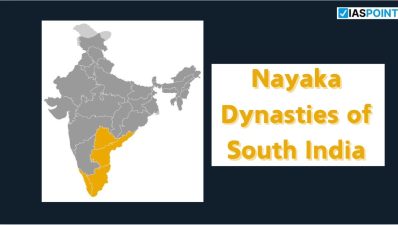
The Nayaka dynasties were a group of Hindu dynasties that emerged in South India during the Kakatiya dynasty and the Vijayanagara Empire period. They primarily consisted of military...
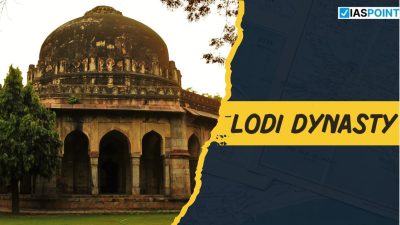
The Lodi Dynasty was the final ruling house of the Delhi Sultanate. It was established by Bahlul Lodi in 1451 AD. This dynasty was in shaping the political...
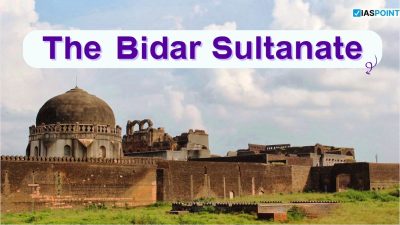
The Bidar Sultanate was one of the five Deccan Sultanates in India. It was established in 1492 by Qasim Barid I. The sultanate was small in size but...