Awadh is a historical region in northern India. It is known for its rich culture and heritage. The area played a role during the Mughal era. Awadh is famous for its cuisine, particularly kebabs and biryanis. The region has a vibrant tradition of music and dance. It also features stunning architecture, including the Bara Imambara. Awadh's history is marked by its unique blend of influences.
The Tharu tribals are an ethnic group of people indigenous to southern Nepal and northern India. The community belongs to the Terai lowlands.Key PointsNepal recognizes them as an...
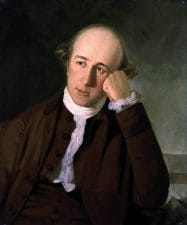
It was this state that Warren Hastings inherited when he became Governor of Bengal in 1772. Noteworthy in his 13-year rule were his internal administration, his dealings with...
Vaishnavism emerged as a major religious movement during the early medieval period, characterized by the synthesis of Vedic traditions, local cults, and the philosophy of Bhakti. It evolved...
The Early Medieval period (c. 750–1200 CE) marked the consolidation of Puranic Hinduism as the dominant religious and social framework in India. Unlike the Vedic religion, which emphasized...
Kathak is an esteemed classical dance form, rich in history and culture, that originates from India. The name 'Kathak' is derived from 'katha,' a word that translates to...
The Ain-i-Akbari is a remarkable document from the 16th century detailing the administration under the reign of Mughal Emperor Akbar. Penned by Akbar's court historian, Abu'l Fazl, in...
In ancient Indian heterodox movements, the Buddhist concept of Karma (Pali: Kamma) transformed the contemporary ritualistic and physical models of causation into a highly psychological framework. Psychological Volition...