
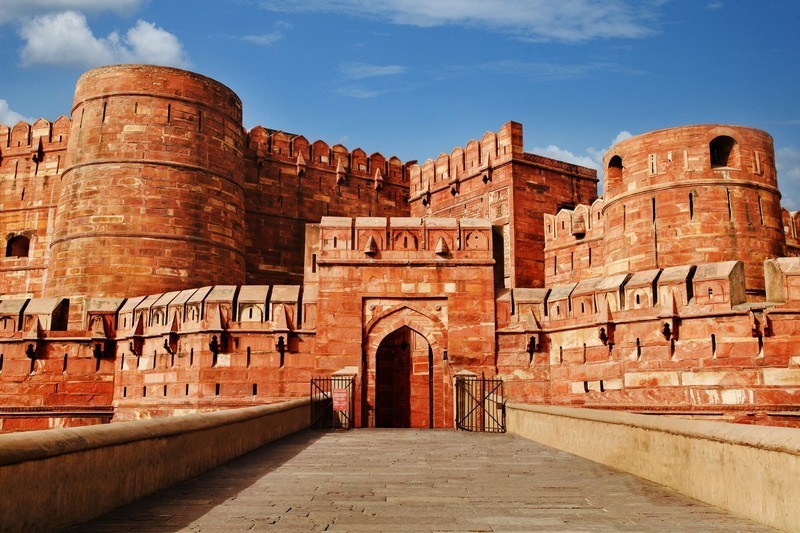
The Early Medieval period (c. 750–1200 CE) marked the consolidation of Puranic Hinduism as the dominant religious and social framework in India. Unlike the Vedic religion, which emphasized complex sacrificial rituals (yagnas) performed by the priestly class, Puranic Hinduism focused on Bhakti (devotion), temple worship, and the veneration of deities through Puranic myths.
Characteristics of Puranic Hinduism
Puranic Hinduism provided a flexible religious structure that facilitated the integration of diverse social groups, including tribes and rural communities, into the Brahmanical fold.
- Focus on Bhakti: It emphasized a personal relationship between the devotee and the deity, often expressed through hymns, music, and dance.
- Puranic Literature: The composition and systematic compilation of Puranas, Upa-Puranas, and Sthala-Puranas (local myths) became the primary source of religious instruction.
- Centrality of Temples: The temple became the physical embodiment of the divine, serving as a site for rituals, festivals, and pilgrimage.
- Deity Cults: The rise of sectarian movements, particularly Vaishnavism (devotion to Vishnu), Shaivism (devotion to Shiva), and Shaktism (devotion to the Goddess), defined the religious landscape.
Socio-Economic Drivers of Puranic Hinduism
The expansion of Puranic Hinduism was intrinsically linked to the economic and political transformations of the era, particularly the system of land grants.
- Integration via Land Grants: The granting of tax-free land (Brahmadeya and Devadana) to Brahmins led to the establishment of Vedic and Puranic centers in remote, previously non-Brahmanized areas.
- Acculturation of Local Cults: The Puranic tradition adopted local deities, folk heroes, and tribal spirits, identifying them as avatars or consorts of major Hindu gods. This process helped legitimize regional rulers and pacify local populations.
- Royal Patronage: Monarchs used Puranic Hinduism to legitimize their rule. Building grand temples and patronizing Puranic scholars positioned the king as a protector of dharma (cosmic order) and an earthly representative of the divine.
- Economic Role of Pilgrimage: The identification of specific geographical sites as sacred (Tirthas) encouraged internal migration and the growth of pilgrimage circuits, which stimulated local markets and regional trade.
Major Sectarian Developments
During this period, sectarianism became more pronounced, yet remained largely inclusive under the umbrella of Puranic tradition.
- Vaishnavism: Emphasized the doctrine of Dashavatara (ten incarnations of Vishnu). The worship of Krishna and Rama gained significant momentum, especially through the influence of the Alvars in South India.
- Shaivism: Characterized by a dual approach of rigorous asceticism (Pashupata and Kapalika sects) and popular devotionalism (Nayanars). The worship of Shiva in the form of the Linga became ubiquitous.
- Shaktism: The rise of the cult of the Goddess (Devi) as the supreme power (Shakti). This period saw the formalization of Tantric practices within the Puranic framework, emphasizing the role of the feminine divine in creation and destruction.
Important Facts and Regional Variations
| Region | Predominant Movement/Trend | Notable Developments |
| South India | Bhakti Movement | Rise of Alvars (Vaishnava) and Nayanars (Shaiva) poets. |
| Kashmir | Shaivite Philosophy | Development of Kashmir Shaivism (Trika system) by Abhinavagupta. |
| Central India | Chandella Patronage | Synthesis of Tantra and Puranic rites in Khajuraho temples. |
| Eastern India | Bengal/Orissa | Growing importance of Jagannath (Vishnu-Narasimha) cult. |
Key Terminologies and Concepts
- Tirtha: Sacred sites or pilgrimage centers that link geography to mythology.
- Prashasti: Inscriptions commissioned by kings to document their lineage and devotion, often invoking Puranic themes.
- Samanvaya: The process of synthesizing diverse religious practices and beliefs into a unified Puranic structure.
- Agama: Practical manuals for temple construction, icon making, and ritual worship that supplemented the Puranic texts.
Impact on Social Stratification
While Puranic Hinduism allowed for religious inclusion, it simultaneously reinforced social hierarchies.
- Caste and Varna: The Puranic order strictly upheld the Varna system, with temples functioning as spaces that often mirrored existing social stratifications.
- Role of Brahmins: As custodians of the Puranas and temple rituals, the Brahmin class held significant socio-political influence, acting as mediators between the royal authority and the agrarian population.
- Women and Ritual: While women participated in devotional activities and were sometimes royal patrons, their role in formal religious authority remained constrained by the patriarchal structures embedded in the Puranic texts.
Trivia for Prelims
- The Puranic definition of the ‘Trimurti’ (Brahma, Vishnu, and Shiva) became the central theological core during this period, replacing the Vedic emphasis on Indra and Agni.
- The composition of the ‘Bhagavata Purana’ in the late first millennium CE is considered a turning point for the intense popularization of the Krishna cult.
- The concept of ‘Kaliyuga’ was extensively elaborated in Puranic texts of this period to explain social turbulence and to emphasize the necessity of Bhakti as the easiest path to salvation.