
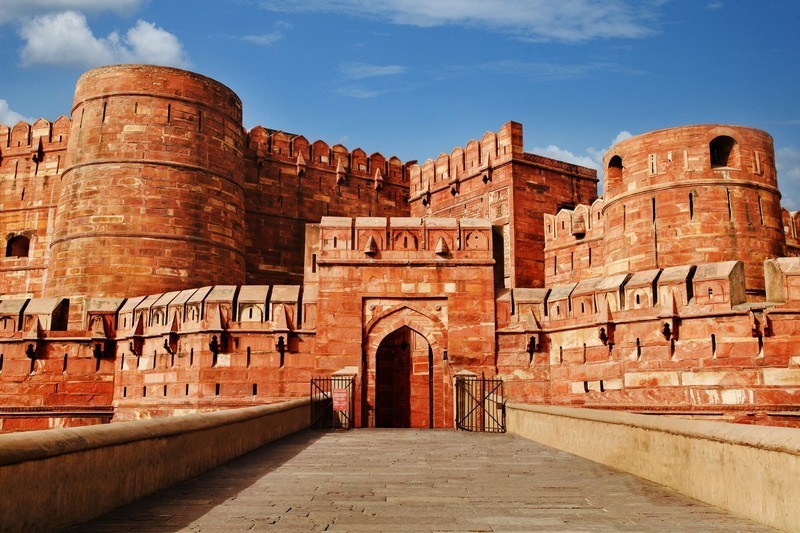
The thesis of urban revival challenges the older ‘Urban Decay’ model, which suggested a total collapse of trade and city life between 600 CE and 1200 CE. Recent historical and archaeological evidence indicates that while the nature of trade and the character of urban centers transformed, the period witnessed a reconfiguration rather than a complete cessation of urban activity. The transition was marked by the emergence of new centers rooted in administrative, religious, and localized commercial activities.
Drivers of Urban Transformation
Several structural changes in the early medieval economy facilitated the emergence of new urban nodes that replaced the imperial hubs of the Gupta era. The shift from long-distance international trade to sub-regional trade necessitated smaller, strategically located markets. The rise of temple-centered economies turned religious sites into permanent hubs of administration, redistribution, and consumption. The consolidation of regional kingdoms required administrative and military centers, leading to the establishment of new capitals and regional command posts. New agricultural land grants led to the clearing of forests and the creation of rural surplus, which supported the sustenance of non-producing urban populations.
Types of Urban Centers in the Early Medieval Period
Urban centers during this transition are broadly classified based on their primary function and economic character. Temple towns emerged as the most significant urban centers, serving as centers of pilgrimage, economic storage, and local governance. Notable examples include Kanchipuram, Madurai, and Srirangam in the south, and Varanasi in the north. These were established as hubs for toll collection and the exchange of agricultural produce. The term Mandapika appears frequently in inscriptions to describe these market centers, acting as collection points for commodities moving within a region. Regional kingdoms such as the Palas (Pataliputra/Vikramshila), Pratiharas (Kannauj), and Cholas (Gangaikondacholapuram) established capitals that functioned as centers of political power, housing royal courts and elite administrations. Port towns continued to serve as nodes for maritime trade, particularly in the Indian Ocean network. Ports like Cambay (Khambhat) in Gujarat and coastal towns in the Coromandel region remained active, facilitating the trade of spices, textiles, and horses.
Archaeological and Epigraphic Evidence of Revival
Evidence for urban continuity and revival is increasingly found in inscriptions, literature, and material remains that contrast with the decay hypothesis. The term Nagara, referring to a town or market, appears with increased frequency in land grants and official records from the 8th to 12th centuries, suggesting the existence of organized merchant settlements. Literary works, including biographies of kings (Charitas) and travelogues of visiting scholars, describe bustling marketplaces and the prosperity of regional capitals, contradicting the notion of rural isolation. Numismatic findings suggest that while high-value gold coinage diminished, the circulation of regional base-metal coins and cowries remained high, pointing to robust localized commercial activity. Inscriptions documenting the activities of merchant associations, such as the Nanadesi or Ayyavole-500, indicate that long-distance trade survived through specialized, mobile mercantile organizations that operated across regional borders.
Comparative Dynamics: Decline vs. Revival
| Feature | Urban Decay Model | Urban Revival Model |
|---|---|---|
| Trade Orientation | International decline led to urban collapse | Shift to sub-regional and local trade networks |
| Primary Centers | Port cities of the classical era | Temple towns and administrative headquarters |
| Economic Unit | Self-sufficient village economies | Mandapika (market) and Nagara (town) nodes |
| Currency Usage | Monetary scarcity | Localized currency and barter/cowry systems |
| Merchant Organization | Decline of classical Shrenis | Rise of regional trade guilds (e.g., Ayyavole) |
Role of Merchant Guilds and Urban Governance
Urban life in the early medieval period was largely managed by localized merchant guilds and civic committees, reflecting the decentralized nature of the state. The Ayyavole-500 guild is the most prominent example of an inter-regional trade organization that operated throughout the Deccan and South India, connecting inland towns to coastal ports. Town administration was often handled by bodies such as the Nagaram in South India, which comprised merchant assemblies responsible for trade regulations, toll collection, and civic amenities. Towns frequently possessed their own charters of rights, as recorded in inscriptions, which granted them autonomy in internal tax collection and judicial dispute resolution. Despite the transition, specialized craft production continued. Weaver communities and metalworkers were often settled in dedicated urban quarters (Pattanas), maintaining the artisanal continuity required for regional trade.
Significance of the Revivalist Perspective
The urban revival thesis has fundamentally altered the understanding of early medieval history, emphasizing the resilience of Indian socio-economic structures. The model highlights that the early medieval period was not a ‘dark age’ but a time of creative adaptation, where the system developed unique regional solutions to changing geopolitical realities. The revivalist model provides a direct link to the later urbanization observed during the Delhi Sultanate, showing that the administrative and commercial infrastructures of the regional kingdoms were inherited and expanded upon. The presence of active urban centers explains the continued cultural and intellectual vitality of the period, as cities provided the necessary surplus and patronage for the development of literature, architecture, and religious movements.
Last Modified: June 17, 2026