
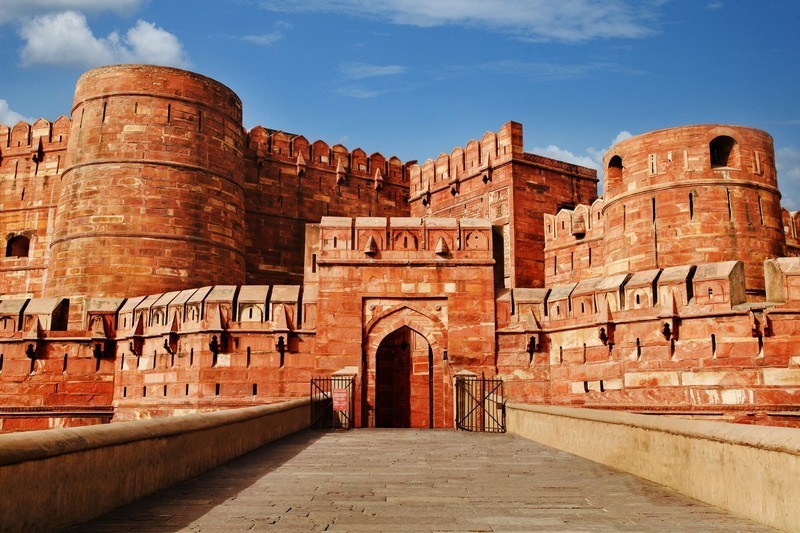
The theory of kingship in the Delhi Sultanate (1206–1526 AD) evolved from a military-based command structure to an elaborate concept of divine sovereignty. It was heavily influenced by Persian traditions, Islamic political theology, and the realities of governing a vast, diverse Indian territory. The Sultan, as the head of state, utilized various ideological tools to maintain authority over the nobility and the populace.
Concept of ‘Shadow of God on Earth’
The Delhi Sultans often projected themselves as the ‘Zill-i-Ilahi’ or the Shadow of God on Earth. This concept was designed to elevate the Sultan above the nobility, suggesting that the ruler’s authority was divinely sanctioned rather than merely granted by the military or the tribal leaders.
- Balban’s Contribution: Ghiyasuddin Balban (1266–1287 AD) was the chief architect of this theory. He believed that the Sultan was the representative of God, making his actions unquestionable.
- Institutionalizing Rituals: To maintain the aura of divine power, Balban introduced rigid court etiquettes such as ‘Sijda’ (prostration) and ‘Paibos’ (kissing the Sultan’s feet), which were Persian customs aimed at diminishing the status of the nobles.
- Accountability: This theory shifted the focus from the Sultan’s accountability to the nobility toward his accountability only to God, thereby providing a theological defense against internal challenges.
Relationship with the Caliphate
The Sultans frequently used their relationship with the Abbasid Caliph to bolster their legitimacy. Even after the destruction of Baghdad in 1258 AD, the Sultans continued to seek investiture from the Caliph in Cairo.
- Symbolic Validation: A ‘Manshur’ or patent of investiture from the Caliph acted as a legal certificate of the Sultan’s right to rule.
- Sovereignty Markers: The inclusion of the Caliph’s name on the ‘Khutba’ (Friday sermon) and ‘Sikka’ (coins) were the primary indicators of a Sultan’s sovereign status in the medieval Islamic world.
- Pragmatic Legitimacy: While the Caliph held no administrative control over India, recognition provided the Sultan with essential political legitimacy, which was crucial during succession disputes or periods of regional rebellion.
The Sultan and the Ulema
The relationship between the Sultan and the Ulema (the class of religious scholars) was complex. While the Sultan was expected to protect the interests of the Muslim community, he often prioritized state interest over religious advice.
- Political Expediency: Sultans like Alauddin Khalji and Muhammad bin Tughlaq famously asserted that the welfare of the state (Zawabit or state laws) took precedence over orthodox religious counsel.
- Legal Autonomy: The Sultans exercised the right to issue secular decrees (Zawabit) to cover administrative, military, and revenue matters that were not explicitly addressed by Sharia law.
- Religious Patronage: Despite the assertion of secular authority, the Sultans provided extensive patronage to the Ulema through land grants (Waqf and Inam) to ensure their moral and political support.
Comparative Theory of Kingship Across Dynasties
| Dynasty | Nature of Kingship | Key Ideology |
| Mamluk | Military Autocracy | Tribal loyalty and military success. |
| Khalji | Imperial Autocracy | State interest and centralization. |
| Tughlaq | Bureaucratic Kingship | Divine sanction and administrative efficiency. |
| Lodi | Tribal Confederation | Masnad-i-Ali (First among equals). |
Variations in the Lodi Theory of Kingship
The Lodi dynasty (1451–1526 AD) represented a sharp departure from the Persianized theory of divine kingship. Rooted in Afghan tribal culture, the Lodi Sultans operated as partners to their nobility rather than as absolute monarchs.
- Masnad-i-Ali: Bahlul Lodi refused to sit on a throne in the presence of his nobles, preferring to sit on a carpet, characterizing his role as the “first among equals.”
- Decentralized Power: The Lodi theory of kingship emphasized consultation and consensus among tribal chiefs, which stood in direct contrast to the absolute authority projected by the Tughlaq and Khalji rulers.
- Failure of the Afghan Model: The eventual collapse of the Lodi dynasty under Ibrahim Lodi was partly due to his attempt to impose autocratic rule on a nobility that was accustomed to the consultative Lodi kingship, leading to internal disintegration.
Pillars of Royal Authority
Regardless of the dynasty, the Sultan’s practical authority rested on four pillars:
- Khutba: The reading of the Friday sermon in the Sultan’s name, declaring him the legitimate ruler of the community.
- Sikka: The minting of currency in the Sultan’s name, confirming his fiscal sovereignty.
- Barid-i-Mumalik: The espionage department, which kept the Sultan informed of the activities of the nobility, ensuring central control.
- Iqta System: The distribution of land grants to military commanders, which served to bind the nobility to the Sultan’s military requirements.
Key Historical Facts
- The title ‘Sultan’ was first popularized in India by the Ghaznavids, but it was institutionalized as the supreme administrative title by Iltutmish.
- The theory of ‘Zill-i-Ilahi’ was not universally accepted by the Afghan and Turkish nobility, who often resisted such exaltations of the ruler.
- Successive Sultans maintained a strict separation between Sharia (religious law) and Zawabit (state law) to ensure flexible administration.
- The Sultan’s court served as the primary venue for demonstrating royal power through the staging of festivals, receptions of foreign envoys, and the promotion of Persian literature and art.