
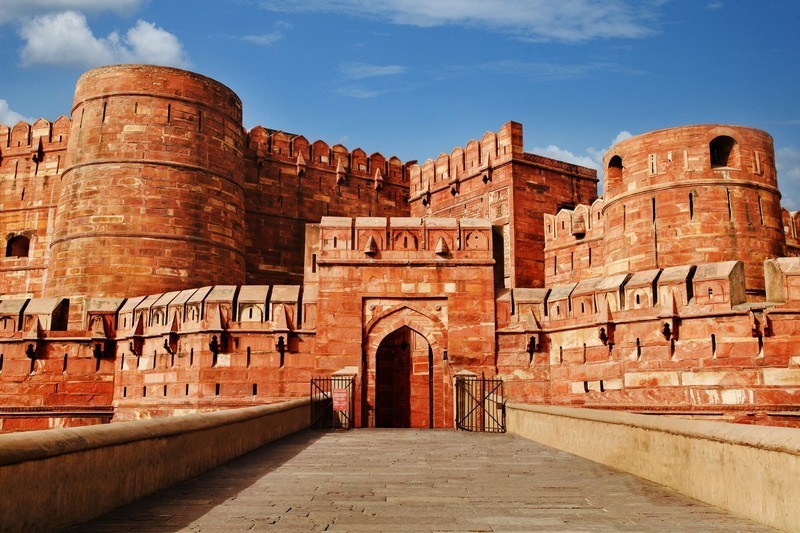
The Dwarasamudra campaign (1310–1311 CE) was a pivotal military expedition undertaken during the reign of Sultan Alauddin Khalji. Executed by his commander-in-chief, Malik Kafur, this campaign extended the geopolitical reach of the Delhi Sultanate deep into the southern peninsula of the Indian subcontinent, targeting the wealthy Hoysala Empire.
The Geopolitical Landscape of South India
Domestic Vulnerabilities
By the early 14th century, the Hoysala Dynasty, ruled by Veera Ballala III, controlled a vast territory encompassing modern-day Karnataka and parts of Tamil Nadu. At the time of the Khalji invasion, the Hoysala military was severely distracted; King Veera Ballala III had marched south to intervene in a bitter war of succession within the neighboring Pandya Kingdom between the brothers Sundara Pandya and Vira Pandya.
Strategic Objectives of the Delhi Sultanate
The primary motivation behind Alauddin Khalji’s southern expeditions was not the permanent annexation of territory, which was logistically unfeasible from Delhi, but rather the systematic extraction of wealth. The Sultanate required immense financial resources, gold, horses, and elephants to sustain its massive standing army and fortify its northern frontiers against persistent Mongol incursions.
Military Progression and the Fall of Dwarasamudra
The campaign was characterized by remarkable logistical execution, rapid cavalry movements, and strategic intelligence sharing.
Tactical Surprise and Capital Infiltration
Malik Kafur commenced his march from Delhi in November 1310 CE. The Sultanate army used Devagiri (the capital of the Yadava Dynasty, which had already accepted Khalji suzerainty) as its primary logistical staging ground.
- The Yadava ruler, Ramachandra Deva, provided vital route intelligence, provisions, and scouting detachments to assist the Khalji forces.
- Bypassing traditional routes, Malik Kafur executed a rapid twelve-day march from the Yadava frontier to the Hoysala border, taking the capital city of Dwarasamudra (modern-day Halebidu in the Hassan district of Karnataka) completely by surprise.
- Upon receiving news of the sudden siege of his capital, Veera Ballala III rushed back with a small detachment, leaving the bulk of his army in the south.
Submission of Veera Ballala III
Realizing that his depleted garrison could not withstand a prolonged siege against the veteran siege-craft and heavy cavalry of the Delhi Sultanate, Veera Ballala III opted for diplomatic capitulation to save his capital and the iconic temple complexes from total destruction. He sent envoys to Malik Kafur’s camp to negotiate terms of surrender.
Terms of Peace and Wealth Extraction
The resolution of the Dwarasamudra campaign followed the established Khalji diplomatic template of submission, wealth extraction, and vassalage.
The Tributary Accord
Veera Ballala III personally visited Malik Kafur’s camp to offer submission to the Sultan of Delhi. He agreed to stripped status as a tributary vassal, promising the regular remittance of annual tribute to the imperial treasury at Delhi.
Key Deliverables and Booty
The Hoysala monarch was forced to surrender the entirety of his royal treasury. The extracted wealth included:
- Hundreds of war elephants and thousands of high-quality cavalry horses.
- Immense quantities of gold, silver, and precious gemstones accumulated through maritime trade and domestic taxation.
- The sacred thread of the King was symbolically surrendered, and his son, crown prince Vira Virupaksha Ballala, was sent to Delhi as a hostage to ensure future compliance, though he was later released with honors by Alauddin Khalji.
Strategic and Historical Significance
The successful subjugation of Dwarasamudra had profound consequences for the subsequent political landscape of medieval India.
Institutionalizing the Vassalage Model
The campaign solidified the “Tribute and Extraction” model of imperialism favored by Alauddin Khalji. By leaving the local administrative machinery intact under a compliant Veera Ballala III, the Sultanate secured consistent revenue inflows without the fiscal and military burden of maintaining permanent administrative garrisons in the distant Deccan.
Logistical Launchpad for the Far South
The submission of the Hoysalas removed the final major geopolitical barrier between the Delhi Sultanate and the extreme south of India. Veera Ballala III was compelled to act as a military guide for Malik Kafur’s subsequent expedition. The Hoysala network provided critical route mapping and logistics that enabled the Sultanate army to march directly into the Pandya Kingdom, culminating in the sack of Madurai in 1311 CE.
Comprehensive Data Summary for UPSC Prelims
| Historical Parameter | Detailed Core Facts |
| Year of Campaign | 1310 – 1311 CE |
| Imperial Dynasty | Khalji Dynasty (Delhi Sultanate) |
| Sultan of Delhi | Alauddin Khalji |
| Sultanate Commander | Malik Kafur (Malik Naib) |
| Target Kingdom | Hoysala Empire |
| Hoysala Monarch | Veera Ballala III (Vira Ballala III) |
| Capital Attacked | Dwarasamudra (Modern-day Halebidu, Karnataka) |
| Logistical Ally | Ramachandra Deva (Yadava Dynasty of Devagiri) |
| Immediate Outcome | Capital spared; Hoysalas reduced to tributary status |
Key Facts and Historical Trivia
Primary Sources
The most authentic contemporary account of the Dwarasamudra campaign is found in the Khazain-ul-Futuh (The Treasures of Victories) written by the famous court poet Amir Khusrau, who vividly described the speed of Malik Kafur’s cavalry and the architectural wonders of the Hoysala capital.
Architectural Context
The capital Dwarasamudra was famous for its brilliant Hoysala architecture, most notably the Hoysaleswara Temple. The diplomatic surrender of Veera Ballala III is credited by historians as the primary reason these intricate soapstone structures survived the era without suffering catastrophic structural demolition.
Political Realignment
Demonstrating extreme political pragmatism, Veera Ballala III remained a loyal vassal to Delhi during the remainder of Alauddin Khalji’s life. He even visited Delhi in 1313 CE, where he was presented with a royal robe (khilat), a crown, and substantial monetary gifts by the Sultan, transforming an engineered military defeat into a strategic political alliance.
Last Modified: June 19, 2026