
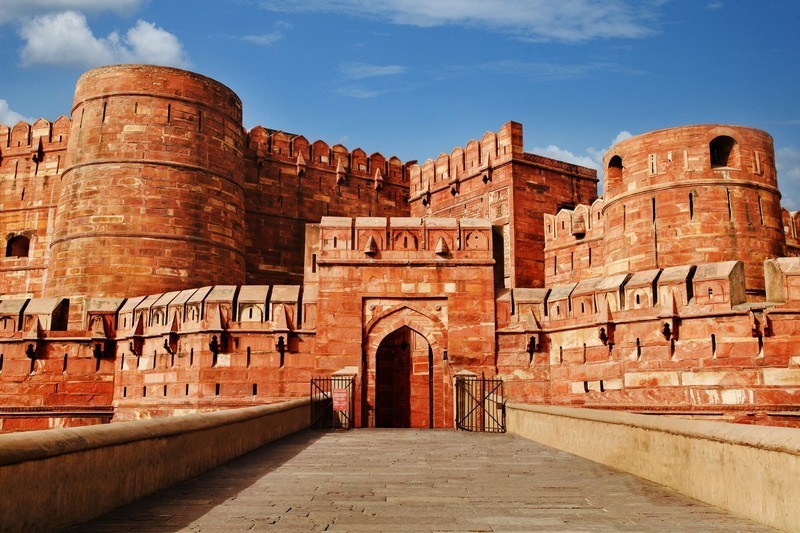
The strategic geography of Gujarat—boasting a coastline of over 1,600 kilometers, natural deep-water gulfs, and fertile agricultural plains—made it the commercial hub of the Indian Ocean trade during the medieval period. Following its break from the Delhi Sultanate in 1407 CE, the independent Muzaffarid Dynasty transformed the region into a dominant sovereign maritime empire that connected trans-continental trade lanes between the Mediterranean world and Southeast Asia.
Chronological Milestones of Maritime Integration
- 1407 CE: Zafar Khan assumed independence as Muzaffar Shah I, ending financial tribute to Delhi and securing all coastal custom revenues for the local treasury.
- 1411–1442 CE: Ahmad Shah I established Ahmedabad as the manufacturing nerve center and annexed strategic coastal ports like Diu and Delvada, effectively clearing regional piracy networks.
- 1458–1511 CE: Mahmud Begarha reached the zenith of maritime expansion, capturing the peninsular strongholds of Junagadh and Dwarka, and forging trans-continental naval alliances to counter European entry into the Indian Ocean.
- 1534 CE: Bahadur Shah signed the Treaty of Bassein, ceding Mumbai, Bassein, and Diu to the Portuguese, which altered the sovereign control of Gujarat’s waters.
- 1573 CE: Akbar annexed Gujarat, absorbing its maritime trade infrastructure into the Mughal imperial system as a premier revenue-yielding province.
The Currency Framework and Fiscal Administration
The commercial operations of the Gujarat Sultanate were backed by a highly organized, bimetallic and shell-based monetary framework that maintained market liquidity and facilitated complex global settlements.
The Silver Taka Standard
- Weight and Purity: The core trade currency was the silver Taka (tankah), minted under strict state supervision to maintain a standardized weight parameter of 170 to 175 grains of high-purity silver.
- The Mint Town Network: Monetary stability was regulated through specialized imperial mint towns (Dar-ul-Zarb) strategically located at commercial hubs like Ahmedabad, Diu, Junagadh (Mustafabad), and Champaner (Muhammadabad).
- Calligraphic Legitimacy: The coins featured sophisticated Arabic calligraphic scripts detailing the Sultan’s imperial titles and Islamic professions of faith (Kalima), making them universally recognized and accepted across foreign ports.
The Fractional Cowrie and Copper System
- Internal Trade Liquiditity: For daily marketplace exchanges and fractional payments within the domestic economy, the Sultanate utilized copper coins (faddah) alongside millions of imported Maldivian cowrie shells (kauri).
- Bulk Exchange Mechanics: Cowries provided an inflation-resistant fractional currency system that allowed agrarian producers and urban artisans to seamlessly participate in the highly monetized economy.
The Port Hierarchy and Foreign Merchant Networks
The maritime trade of the Sultanate operated through a structured hierarchy of ports, categorized by foreign travelers and state records based on their geographical draft capabilities and specialized trade functions.
Cambay (Khambhat) – The Commercial Emporium
- Primary Transshipment Hub: Known as the premier port of western India, Cambay handled the largest volume of high-value cargo. Due to its extreme tidal variations, large ocean-going vessels anchored in the deeper gulf waters, transferring goods to smaller riverine crafts.
- Global Descriptions: Traveler Tomé Pires noted that Cambay stretched out two commercial arms—one reaching westward to Aden and the Red Sea, and the other eastward to the Malacca Sultanate.
Diu and Surat – Strategic Custom Basins
- Diu Island: Positioned at the southern tip of Saurashtra, Diu functioned as a heavily fortified naval station and customs check-point. Under the governorship of Malik Ayyaz, it regulated access to the Gulf of Khambhat.
- Surat: Situated on the Tapi river estuary, Surat emerged as a vital departure port for Islamic pilgrim ships (Hajj) heading to Mecca and a primary terminal for overland trade routes coming from Northern and Central India.
Foreign Merchant Communities (The Mahajan System)
- The Institutional Guilds: Merchant operations in port cities were regulated by structured merchant guilds (Mahajans) led by a chief financier (Nagarsheth). This system managed credit, resolved mercantile disputes, and integrated local Jain and Hindu financiers with expatriate traders.
- The Diaspora Enclaves: Gujarat’s port cities hosted permanent enclaves of foreign merchants, including Persian horse traders, Arab mariners, Abyssinian mercenaries, and Nestorian Christians, creating a cosmopolitan commercial environment.
Production Matrix: Cash Crops and Industrial Manufactures
Gujarat’s maritime trade balances were sustained by a continuous flow of agricultural surpluses and highly specialized industrial goods produced in state-supported urban workshops (Karkhanas).
The Textile Revolution
- Calico and Printed Cottons: Gujarat specialized in manufacturing coarse and fine printed cotton textiles, known universally as calicoes. These fabrics were block-printed or tie-dyed using local vegetable extractions.
- Luxury Silks and Brocades: Ahmedabad and Patan produced high-grade silk brocades, velvets, and gold-threaded embroideries (Kimkhwab) tailored specifically for consumption in overseas royal courts.
Cash Crops and Mineral Extractions
- The Sarkhej Indigo Monopoly: The cultivation of high-grade indigo in the agrarian hinterlands of Sarkhej provided a vital dye product that drove maritime export values.
- Chaul and Cambay Agates: Specialized workshops in Cambay processed semi-precious stones, including carnelian, chalcedony, and agate mined from the Ratanpur hills, transforming them into luxury beads and ornaments for export to East Africa and Europe.
- Agricultural Processing: Refined sugar, preserved ginger, long pepper, and oilseeds constituted major bulk agrarian exports.
Maritime Trade Routes and Commodity Flows
The Gujarat Sultanate occupied a central geographic position in the Indian Ocean, effectively commanding both the western and eastern maritime commercial circuits.
The Western Commercial Circuit
- Red Sea and Aden Axis: Ships departed from Cambay and Surat for Aden, Jeddah, and Mocha, carrying textiles, indigo, and spices. They returned with massive inflows of silver bullion (real), gold ducats, frankincense, quicksilver, and rosewater.
- Persian Gulf Axis: Trade with Hormuz and Basra focused on exporting fine cotton sheets and agricultural commodities in exchange for high-value Central Asian war-horses, pearls, and dried fruits.
The Eastern Commercial Circuit
- The Malacca Link: Elite Gujarati merchant syndicates maintained permanent factories in Malacca. They traded western Indian textiles and clothing for Indonesian spices (nutmeg, mace, cloves), Chinese porcelain, silk, and southeast Asian tin.
- The Maldivian Exchange: A dedicated shipping lane connected Gujarat with the Maldives, where regular consignments of Gujarati rice were exchanged directly for cowrie shells and coir ropes required for shipbuilding.
The East African Littoral
- The Sofala and Kilwa Run: Large ocean-going vessels traveled southwest to the Swahili coast ports of Kilwa, Mombasa, and Malindi. The cargo consisted of blue calico cloths and glass beads, which were bartered for African ivory, ambergris, and gold dust.
Naval Warfare and Geopolitical Conflicts
The arrival of the Portuguese Estado da Índia in the late 15th century disrupted the traditional free-trade conventions of the Indian Ocean, drawing the Gujarat Sultanate into armed maritime conflicts.
The Cartaz System and Commercial Friction
- The Cartaz Monopoly: The Portuguese introduced a compulsory maritime licensing system (Cartaz), forcing all Indian merchant ships to pay customs duties at Portuguese-held ports and banning the transport of prohibited items like pepper and iron.
- Sovereign Resistance: The Muzaffarid Sultans initially refused to accept these conditions, leading to Portuguese naval raids on Gujarati shipping lanes and trading vessels.
The Trans-Continental Naval Alliance
- The Battle of Chaul (1508 CE): Recognizing the existential threat, Mahmud Begarha formed a naval coalition with the Mamluk Sultanate of Egypt and the Zamorin of Calicut, with logistical backing from the Ottoman Empire. The allied fleet, commanded by Malik Ayyaz, defeated the Portuguese navy at Chaul, resulting in the death of Lourenço de Almeida.
- The Battle of Diu (1509 CE): Viceroy Francisco de Almeida launched a retaliatory strike off the coast of Diu. The allied fleet suffered a tactical defeat due to superior Portuguese naval artillery. This forced the Sultanate to sign a peace treaty and permit the establishment of a Portuguese factory at Diu, shifting the balance of naval power in western Indian waters.
Comprehensive Import-Export Commodity Matrix
| Trade Category | Specific Commodity Types | Key Geographic Origin / Destination |
|---|---|---|
| Primary Exports | Calicoes, Chintz, Muslin, Silk Brocades (Kimkhwab), Sarkhej Indigo, Agate Beads, Carnelian Stones, Refined Sugar, Rice, Wheat, Long Pepper, Leather Goods. | Red Sea Ports, Hormuz, East African Swahili Coast, Malacca, Pegu, Sumatra, Maldives. |
| Primary Imports | Central Asian and Arabian War-horses, Silver Bullion, Gold Coins, Chinese Silk, Blue-and-White Porcelain, Spices (Nutmeg, Cloves), Maldivian Cowrie Shells, Tin, Ivory, Frankincense. | Persian Gulf, Venice/Egypt, Ming China, Moluccas, Maldives, Southeast Asia, East Africa. |
UPSC Prelims Historical Trivia
The Custom Records of Tomé Pires
In his work Suma Oriental (written between 1512 and 1515 CE), the Portuguese writer Tomé Pires recorded that the customs revenues generated at the port of Cambay alone were so vast that they surpassed the entire state revenues of many contemporary European kingdoms, describing the Gujarati merchants as the most sophisticated managers of maritime trade in the world.
Malik Ayyaz’s Naval Engineering
Malik Ayyaz, the governor of Diu under Mahmud Begarha, was a pioneer in coastal naval defense. To protect the port of Diu from Portuguese naval artillery, he designed and constructed a massive iron chain boom stretched across the mouth of the harbor channel between the island citadel and the mainland. This barrier successfully prevented enemy warships from launching surprise night incursions into the inner harbor.
The “Guzerat” Weaves in Fustat (Egypt)
Archaeological excavations in the garbage mounds of Fustat (Old Cairo) in Egypt recovered thousands of fragments of block-printed cotton textiles. Chemical analysis and design tracing proved that these fabrics were manufactured in the workshops of Gujarat during the 14th and 15th centuries, demonstrating the durability and reach of medieval Gujarat’s maritime textile trade.
Last Modified: June 22, 2026