
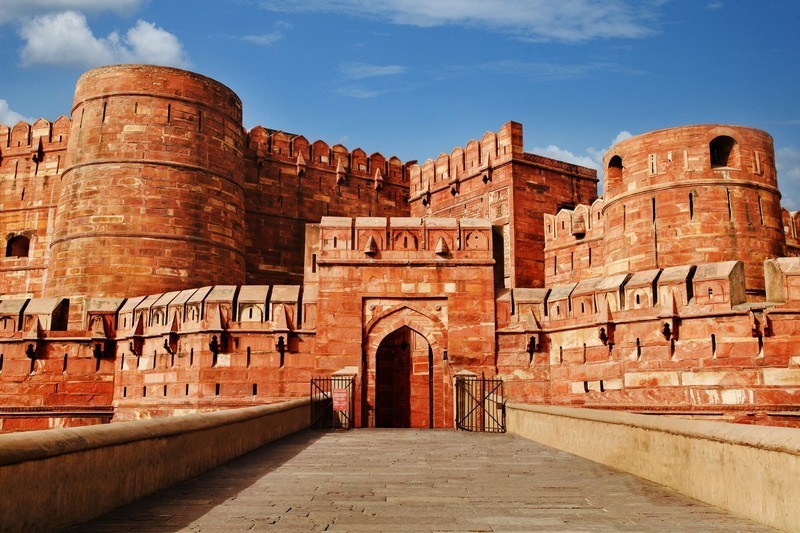
The Chola Empire, particularly under Rajaraja I and his son Rajendra I, transformed the Bay of Bengal into a Chola lake during the 11th century. This naval hegemony was not merely a military endeavor but a strategic necessity to protect and dominate the lucrative maritime trade routes connecting the Indian subcontinent with Southeast Asia and China. The Cholas maintained a professional, highly organized navy, which remains a singular achievement in ancient Indian history.
Objectives of Chola Naval Expeditions
The Chola maritime policy was driven by a combination of economic interests, geopolitical security, and the desire to project imperial authority.
- Securing Trade Routes: The primary objective was to safeguard merchant shipping lanes from piracy and interference by local powers in the Malay Archipelago.
- Controlling Maritime Emporiums: The Cholas sought to control the port cities that acted as vital transit points for luxury goods, such as spices, textiles, and precious metals.
- Curbing Rival Influence: Naval expeditions were used to neutralize threats to Chola interests posed by the Srivijaya Empire, which had previously exercised control over the Malacca Strait.
- Diplomacy and Prestige: Naval power served as a tool of statecraft to establish diplomatic ties with the Song Dynasty of China and to secure trade concessions.
Major Naval Campaigns
The Chola naval power reached its zenith through two primary phases of expansion and intervention.
- The Srivijaya Expedition (1025 CE): Rajendra I launched a massive naval assault against the Srivijaya Empire in Southeast Asia. This campaign resulted in the capture of King Sangrama Vijayatungavarman. It successfully dismantled Srivijayan control over the Malacca Strait, allowing Chola merchant guilds to operate freely in the region.
- Protection of Coromandel and Malabar Coasts: Rajaraja I initiated the development of the navy by defeating the Chera fleet at Kandalur Salai. This victory secured the Western maritime frontier and provided the necessary expertise for the subsequent expansion into the Indian Ocean.
- Island Annexations: The navy facilitated the conquest of the Maldives and northern Sri Lanka, transforming these islands into strategic forward bases for maritime operations.
Administrative and Economic Infrastructure
The naval campaigns were sustained by a robust domestic infrastructure that prioritized trade and logistics.
- Trade Guilds: Organizations such as the Manigramam and the Ayyavole (or Ainnurruvar) operated with royal support. These guilds managed international trade and possessed their own security forces to protect cargo.
- Port Development: Nagapattinam and Kaveripattinam were upgraded into sophisticated international emporiums. These ports featured specialized storage facilities, customs houses, and administrative offices for merchant guilds.
- Royal Patronage of Merchants: Chola monarchs provided tax concessions and infrastructure for foreign merchants, including the construction of Buddhist monasteries to accommodate visiting traders, as seen in the funding of the Chudamani Vihara.
Comparative Influence and Regional Impact
The naval reach of the Cholas led to significant cultural and administrative diffusion across the Indian Ocean rim.
- Cultural Diffusion: The presence of Chola merchants and naval officials facilitated the spread of Hinduism, Buddhism, and the South Indian architectural style throughout the Malay Peninsula and modern-day Indonesia.
- Administrative Models: South Indian administrative practices, including village-level management and tax assessment, influenced the socio-political structures of early Southeast Asian kingdoms.
- Diplomatic Recognition: Chinese records from the Song Dynasty extensively document the arrival of Chola embassies, reflecting the high international standing of the Chola state.
Summary of Chola Maritime Facts
| Feature | Details |
| Core Period | 10th – 12th Century CE |
| Primary Naval Rulers | Rajaraja I, Rajendra I |
| Key Naval Victory | Srivijaya Expedition (1025 CE) |
| Strategic Gateway | Malacca Strait |
| Principal Trade Hubs | Nagapattinam, Kaveripattinam |
| Primary Trade Guilds | Manigramam, Ayyavole |
Key Trivia for Prelims
- Title of Conquest: Rajendra I adopted the title Kadaramkonda (Conqueror of Kadaram) following his victory over the Srivijaya Empire.
- Bay of Bengal: The maritime dominance of the Cholas is often referred to by historians as the period of the Chola Lake.
- Diplomatic Reach: The Cholas sent official trade missions to China in 1015, 1020, 1033, and 1077 CE to bypass intermediate trade barriers and directly source luxury goods.
- Naval Logistics: The Chola navy employed specialized vessels designed for long-distance transport, capable of carrying both military forces and significant cargo volumes.
- Religious Support: The Chudamani Vihara in Nagapattinam serves as physical evidence of the state’s efforts to cultivate diplomatic goodwill with foreign trade partners through religious patronage.