
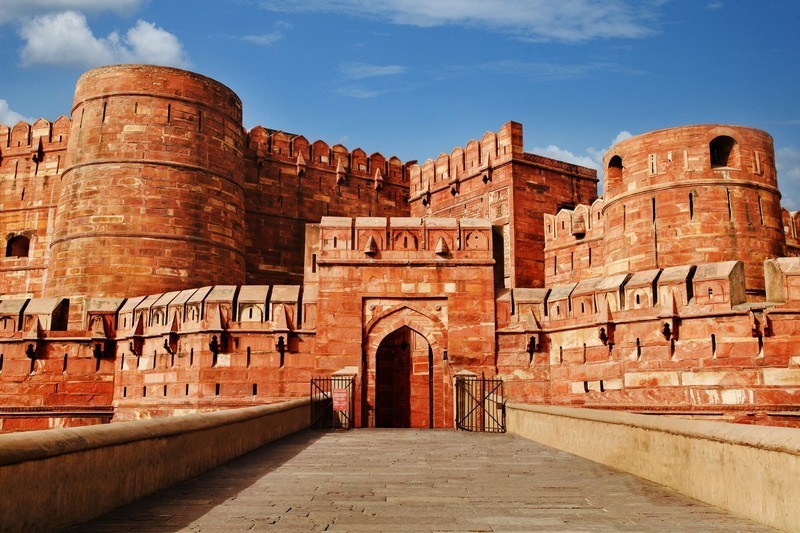
Multan, historically known as the ‘City of Gold’ due to its immense wealth and the famed Sun Temple, served as a vital strategic outpost in the Indus Valley. Its position on the trade routes connecting Central Asia, the Middle East, and the Indian subcontinent made it a primary target for successive waves of invaders, transitioning from Arab administrative influence to Turkish military control.
The Arab Period: Conquest and Consolidation
The conquest of Multan by Muhammad bin Qasim in 713 CE, shortly after the fall of Sindh, established a permanent Islamic foothold in the upper Indus region.
- After the defeat of the local governor, Qasim secured the city, which he described as the “Far House of Gold.”
- The Arabs maintained Multan as a provincial capital, integrating it into the administrative structure of the Umayyad and later the Abbasid Caliphates.
- Under Arab rule, Multan became an essential center for the transit of goods, including musk and textiles, between India and the Islamic heartlands.
- The city functioned as a bastion for the spread of Islam in the region, with the Arab administration allowing local autonomy in internal affairs in exchange for regular tax payments.
Ismaili Influence and the Rise of Independent States
Following the decline of direct Abbasid control in the 9th and 10th centuries, Multan witnessed the emergence of independent dynasties that often held sectarian affiliations different from the Sunni-dominated Caliphate.
- By the 10th century, the city had fallen under the influence of the Ismaili sect of Shia Islam.
- These local rulers maintained a degree of independence from Baghdad and Cairo, focusing on internal consolidation and regional trade.
- The prosperity of the Sun Temple continued even under Islamic rule, as the administration recognized the temple’s economic importance as a pilgrimage site and a source of tax revenue.
The Turkish Transition: Ghaznavid and Ghurid Impact
The shift from Arab to Turkish influence marked a departure from trade-focused administration to a centralized, expansionist military policy.
- Mahmud of Ghazni’s invasions: In the early 11th century, Mahmud of Ghazni launched multiple expeditions against Multan. He sought to dismantle the Ismaili power base and extract the immense wealth held in the city’s temples.
- Integration into the Ghaznavid Empire: Following the defeat of the local rulers, Multan was integrated into the Ghaznavid administrative framework, serving as a frontier garrison for their Indian territories.
- The Ghurid Conquest: By the late 12th century, Muhammad Ghori aimed to unify the fragmented Turkish holdings in the Punjab and Sindh. The conquest of Multan was a tactical prerequisite for his larger campaigns into the Gangetic plains.
- Post-1206 status: Following the death of Muhammad Ghori in 1206, Multan became a critical iqta (military governorship) within the nascent Delhi Sultanate, bridging the gap between the frontier regions and the imperial center in Delhi.
Comparative Overview of Multan’s Administrative Eras
| Feature | Arab Period | Turkish Period |
|---|---|---|
| Administrative Base | Provincial Caliphate structure | Iqta and military governorships |
| Economic Driver | Maritime and overland trade | Revenue extraction and tribute |
| Religious Policy | Relative tolerance; Dhimmi status | Systematic transition to Islamic political hegemony |
| Strategic Role | Frontier outpost of the Caliphate | Base for Gangetic conquest |
Key Historical Facts and Trivia
- The Sun Temple of Multan was one of the wealthiest shrines in ancient India, serving as a major source of revenue for both pre-Islamic and early Islamic rulers.
- Al-Biruni, the noted scholar who accompanied Mahmud of Ghazni, documented the cultural and economic landscape of Multan, providing significant insights into its trade and religious practices.
- Multan’s location made it the ‘gateway to India’ for every major invasion force emerging from the Khyber and Bolan passes during the medieval era.
- The transition from Arab to Turkish rule facilitated the shift from the Arabic language of administration to Persian, which became the lingua franca of the subsequent Delhi Sultanate.
Impact of External Contacts on Regional Development
The interaction between Multan’s local economy and the expanding Islamic empires resulted in a unique cultural synthesis.
- The city became a repository for both Indian and Islamic architectural styles, blending the indigenous brick-work traditions with the arches and domes characteristic of Middle Eastern architecture.
- The administrative reforms introduced by Turkish rulers, specifically the replacement of hereditary local chiefs with military iqtadars, fundamentally altered the land revenue system and social stratification in the region.
- Multan served as a critical hub for the Sufi orders, which began to take root in the 12th and 13th centuries, ultimately playing a significant role in the cultural and religious integration of the region under the Delhi Sultanate.