
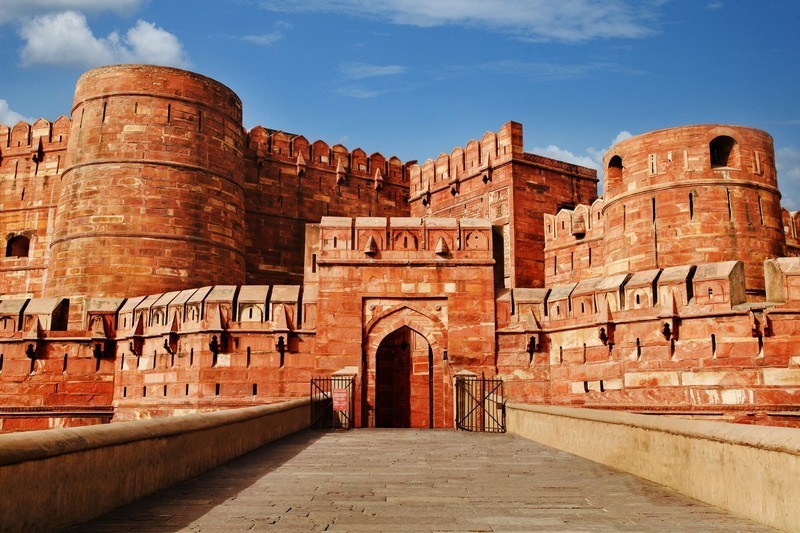
The Chandella dynasty ruled the region of Jejakabhukti, corresponding to modern-day Bundelkhand in Madhya Pradesh and Uttar Pradesh, from the 9th to the 13th century CE. They rose from being feudatories of the Gurjara-Pratiharas to establishing an independent sovereign kingdom. According to tradition, they claimed descent from the Moon (Chandratreya lineage), reflecting the Rajput practice of legitimizing royal authority through mythological genealogy.
Key Historical Rulers
Nannuka: The founder of the Chandella dynasty in the early 9th century. He established his power base at Khajuraho and began the process of consolidating local clans. Yashovarman (c. 925–950 CE): The ruler who effectively transitioned the dynasty from a vassal state to a regional power. He famously captured the fortress of Kalinjar and expanded his influence into the neighboring regions of Malwa and the Gangetic plains. Dhanga (c. 950–1008 CE): He is considered the true architect of the Chandella empire. He asserted complete independence from the Gurjara-Pratiharas, extended his reach to the banks of the Yamuna, and participated in the struggle against the Ghaznavids. Vidyadhara (c. 1003–1035 CE): Regarded as the most powerful Chandella king, he famously resisted the invasions of Mahmud of Ghazni. He also achieved a significant military victory by defeating the Kalachuri ruler Gangeyadeva. Paramardi-deva (c. 1165–1203 CE): The last major ruler of the dynasty. His reign was marked by a decisive confrontation with Prithviraj Chauhan of the Chahamana dynasty, which significantly weakened the kingdom’s defenses against subsequent Islamic invasions.
Strategic and Administrative Structure
The Chandella state operated as a decentralized feudal polity, characteristic of early medieval Rajput governance. Administrative Divisions: The kingdom was divided into administrative units known as Vishayas (districts), which were further broken down into smaller clusters of villages. The central administration was handled by the king with the assistance of a council of ministers, including the Sandhivigrahika (minister of war and peace). Fortress Strategy: The Chandellas mastered the use of hill forts as defensive and administrative hubs. Kalinjar, Mahoba, and Ajaigarh were critical strongholds that controlled the trade routes and protected the Bundelkhand plateau from external encroachment. Military Organization: The army relied on a blend of cavalry, infantry, and a prominent elephant corps. Their military strength was often supplemented by levies provided by local feudatories (Samantas).
The Khajuraho Temple Architecture
The Chandellas are best known for their profound contribution to the Nagara style of temple architecture, specifically the Khajuraho complex, which served as their cultural and religious center. Architectural Style: The temples are characterized by high plinths, intricate carvings, and the shikhara (spire) design that clusters to resemble mountain peaks. The sculptures often depict scenes of daily life, mythology, and erotic art, which reflected the medieval concepts of dharma, artha, kama, and moksha. Key Temples: Kandariya Mahadeva Temple: The largest and most ornate temple at Khajuraho, built during the reign of Dhanga and later expanded by Vidyadhara. Lakshmana Temple: Notable for its detailed depictions of courtly life and its early Nagara structural integrity. Vishvanatha Temple: A prime example of the panchayatana (five-shrine) architectural layout. Religious Patronage: While the rulers were predominantly Shaivite and Vaishnavite, they extended royal patronage to Jain temples as well, demonstrating a spirit of religious pluralism.
Conflicts and Geopolitical Challenges
The Chandellas were constantly involved in power struggles with their neighbors, which impacted their imperial stability. Conflict with the Chahamanas: The rivalry between the Chandellas and the Chahamanas (Chauhans) reached a peak under Paramardi-deva and Prithviraj Chauhan. The war of 1182 CE resulted in the defeat of the Chandella forces and the loss of significant territory in Mahoba, depleting resources for both kingdoms. Resistance to Ghaznavids: Vidyadhara’s defiance against Mahmud of Ghazni is a notable chapter in medieval history. The Chandella king managed to preserve his kingdom’s autonomy even as neighboring states fell to Ghaznavid raids, showcasing the effectiveness of the Chandella defense strategy. Decline: The dynasty faced a terminal crisis following the conquest of Kalinjar by Qutb-ud-din Aibak in 1203 CE. While the dynasty lingered for some time as a localized power, the loss of their primary strategic fortress marked the end of their political significance.
Important Facts and UPSC Prelims Trivia
Dynastic Status: Feudatories of the Gurjara-Pratiharas who later became independent. Primary Fortresses: Kalinjar, Ajaigarh, Mahoba, and Khajuraho. Cultural Achievement: The Khajuraho temples were declared a UNESCO World Heritage Site in 1986. Literary Context: The Chandella court patronized Sanskrit scholars and poets, and historical details about their reign are preserved in inscriptions such as the Khajuraho stone inscription of Dhanga. Defensive Legacy: The fortress of Kalinjar is historically significant as it remained a nearly unconquerable position for centuries, changing hands between various Rajput, Sultanate, and Mughal forces.
Last Modified: June 17, 2026