
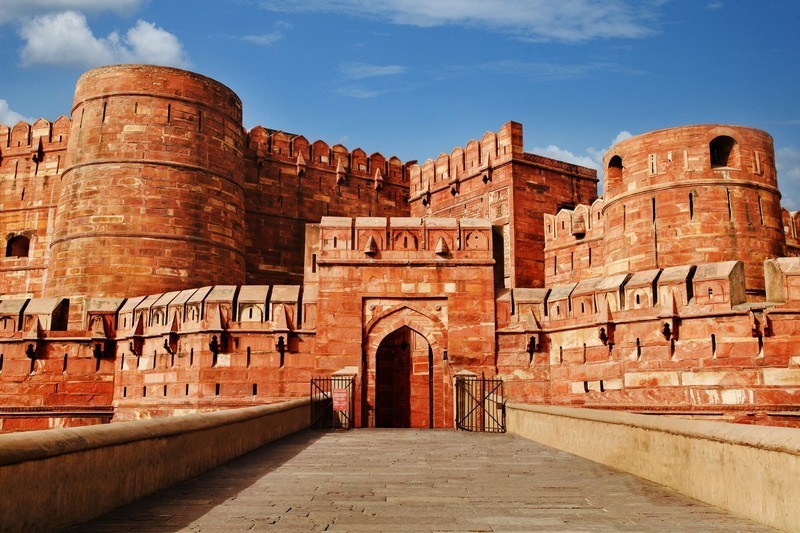
The Gurjara-Pratihara military was widely regarded as the most formidable defensive force in early medieval India. Arab travelers and contemporary chroniclers frequently described the Pratihara monarchs as the most powerful kings of the region, emphasizing their capacity to maintain peace and their unparalleled prowess in equestrian warfare. The military was the primary pillar that allowed the dynasty to endure the century-long Tripartite Struggle while simultaneously acting as a barrier against external threats.
Composition and Military Structure
The Pratihara military was fundamentally a cavalry-centric force. This reliance on horses was not only a tactical preference but a necessity for controlling the vast, open plains of Northern India and securing the western frontiers against raids.
- Cavalry: The backbone of the army. Pratihara kings maintained vast stables, and their horsemen were noted for their agility and rapid mobilization capabilities. Arab merchants, such as Sulaiman, noted that the Pratihara cavalry was superior in both equipment and training to that of the neighboring dynasties.
- Infantry: While less emphasized in contemporary accounts, the infantry provided the necessary support for territorial occupation and siege warfare.
- Elephant Corps: Used primarily for shock tactics and as a symbol of royal authority. These were essential in the marshy terrains of the eastern regions during campaigns against the Palas.
- Feudal Levy System: The military relied heavily on the support of Mahasamantas (great feudatories) and Samantas (vassals). These local lords were obligated to provide a specific quota of soldiers and equipment to the imperial army upon demand, facilitating the rapid assembly of a large force.
Strategic Deployment and Tactics
The military strategy of the Pratiharas was characterized by its defensive-offensive duality. They focused on securing the Gangetic Doab while maintaining mobile strike forces for counter-attacks.
- Fortification Network: The Pratiharas developed an extensive network of forts, particularly in Rajasthan and along the Yamuna-Ganga line, to serve as administrative and military depots.
- Arab Containment: The “Gurjara-Pratihara Frontier” was a reality of 8th and 9th-century geopolitics. By stationing high-ranking military commanders (often from the Pratihara lineage) on the western borders, they successfully neutralized the Umayyad and Abbasid-backed incursions from Sindh for over a century.
- Tripartite Maneuvers: Against the Palas and Rashtrakutas, the Pratiharas utilized seasonal campaigns. They timed their movements to exploit the logistical difficulties faced by the southern Rashtrakuta armies, who struggled to maintain long-term supply lines in the northern plains.
Comparative Military Strengths in the Tripartite Struggle
The Tripartite Struggle forced each of the three powers to specialize in specific military domains to gain an edge.
| Dynasty | Military Specialization | Strategic Advantage |
| Gurjara-Pratihara | Heavy Cavalry | Superiority in open-field combat and rapid mobilization. |
| Pala | Elephantry | Expertise in riverine and marshy combat in Bengal and Bihar. |
| Rashtrakuta | Mixed Cavalry and Infantry | Highly mobile, professionalized army with deep-strike capability. |
Administrative Support for the Military
Military expenditure was sustained through a sophisticated land revenue system. The decentralized nature of the administration allowed the king to extract resources from diverse provinces without compromising the local stability of the regions.
- Land Grants: The state practiced the granting of land to military officers and feudatories. This ensured that the cost of maintaining horses and soldiers was decentralized, reducing the immediate financial burden on the central imperial treasury.
- Revenue Collection: The official designated as Uparika was responsible for overseeing provincial revenue, a significant portion of which was earmarked for military maintenance and fort upkeep.
- Weaponry: The Pratihara forces utilized advanced iron weaponry, including swords, spears, and composite bows, which were highly effective in cavalry combat.
UPSC Relevant Facts and Trivia
- Arab Testimony: The 9th-century Arab traveler Sulaiman specifically refers to the Pratihara king as the “King of Jurz” and notes that no other Indian prince had such a magnificent cavalry.
- Title Adoption: The frequent adoption of titles like Ranahastin (Elephant in battle) by Pratihara rulers highlights the prestige associated with commanding specialized military corps.
- Logistical Constraints: The Rashtrakutas, despite their victories, often retreated after major battles because they lacked a permanent administrative grip on the North, illustrating the success of the Pratihara’s “scorched earth” and strategic retreat tactics.
- Military Recruitment: Recruitment was largely drawn from the warrior clans of Western India, creating a professionalized caste of soldiers whose loyalty to the Pratihara crown was the bedrock of imperial stability.
- The End of Military Hegemony: The decline of the Pratihara military was not due to a single defeat but a gradual weakening caused by the rise of internal feudatories (Chandellas, Paramaras, Chaulukyas) who began to withhold their military quotas, thereby crippling the central imperial army by the 10th century.