
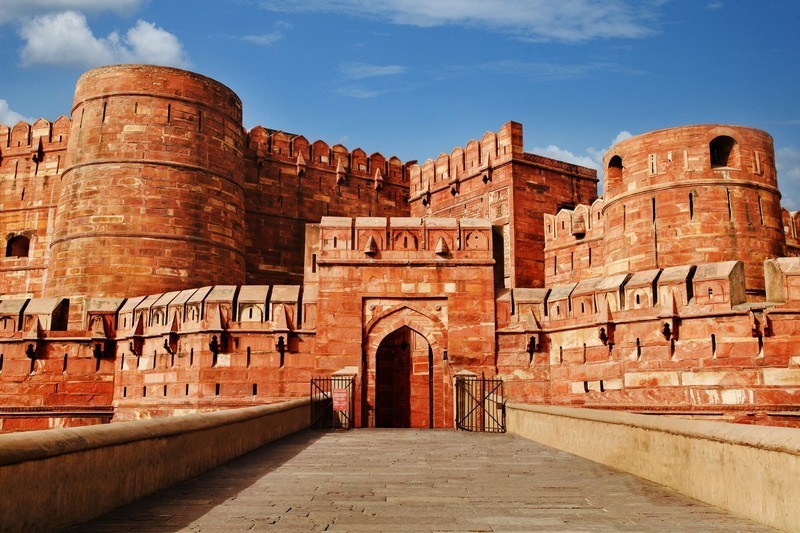
The concept of the “Sanskrit Cosmopolis,” a term popularized by Sheldon Pollock, refers to the widespread adoption of Sanskrit as the dominant literary, political, and cultural language across South and Southeast Asia between 300 and 1300 CE. Unlike a political empire, this was a trans-regional cultural order that connected diverse linguistic regions through a shared aesthetic and political vocabulary.
Foundations of the Sanskrit Cosmopolis
The Sanskrit Cosmopolis was not enforced by central state power but was voluntarily adopted by local elites to signal sophistication and legitimacy. It represented a shift from the earlier Vedic tradition, which was restricted to specific ritualistic circles, to a more expansive literary and courtly culture.
- Literary Standardization: Sanskrit became the preferred language for kavyas (poetry), natakas (dramas), and prashastis (royal panegyrics), transcending local vernaculars.
- Political Legitimacy: Rulers across the subcontinent and into Southeast Asia utilized Sanskrit to frame their genealogies and claims to kingship, aligning themselves with a pan-Indian heroic ideal.
- Education and Transmission: The development of elaborate grammar (vyakarana) and rhetoric (alamkarashastra) allowed for the uniform transmission of literary standards across vast distances.
- Ecumenical Reach: By the 8th century, Sanskrit functioned as the lingua franca of the intellectual and ruling classes, creating an interconnected sphere of exchange spanning from Kashmir to the Chola kingdom and beyond to the Khmer Empire.
Role of Royal Courts and Prashastis
Royal patronage was the primary engine driving the expansion of the Sanskrit Cosmopolis. Kings and local chieftains commissioned elaborate inscriptions known as prashastis to document their virtues and conquests.
- Standardized Rhetoric: These inscriptions followed a rigid, highly sophisticated style that praised the ruler as a protector of the Vedic order (varnashramadharma) and a patron of arts.
- Cosmopolitan Aspirations: By commissioning works in Sanskrit, regional rulers positioned themselves within a global prestige culture, distancing themselves from their tribal or localized origins.
- Epigraphic Evidence: Thousands of copper plate grants and stone inscriptions from this period demonstrate the widespread use of refined Sanskrit, even in remote peripheral regions of the Indian subcontinent.
Cultural and Religious Dimensions
The Sanskrit Cosmopolis provided a shared framework for the flourishing of both Brahmanical and non-Brahmanical intellectual traditions.
- Growth of Puranic Hinduism: The Sanskrit medium allowed for the codification and dissemination of Puranic texts, which played a crucial role in integrating local cults into a pan-Indian religious structure.
- Intellectual Networks: Scholars, poets, and philosophers traveled between major intellectual centers (such as Kashi, Kanauj, Nalanda, and Kanchipuram), fostering a shared aesthetic sensibility.
- Interaction with Vernaculars: While Sanskrit dominated the high-culture domain, it existed in a symbiotic relationship with developing vernacular languages (Apabhramsha, early Tamil, Kannada, etc.), which began to emerge as literary vehicles toward the end of this period.
Key Features of the Sanskrit Cosmopolis
| Feature | Description |
| Literary Genre | Pre-eminence of Kavyas (poetry) and ornate prose. |
| Political Tool | Prashastis used to build royal genealogy and divine sanction. |
| Geographic Scope | Included South India, Southeast Asia (Java, Champa, Cambodia), and the Himalayas. |
| Social Base | Restricted to the educated elite, royal courts, and religious institutions (mathas/temples). |
| Aesthetic Norms | Adherence to standardized theories of Rasa (emotion) and Alamkara (ornamentation). |
Decline and Transformation
The decline of the Sanskrit Cosmopolis as the sole language of political and high-cultural expression began with the rise of the regional literary cultures in the late medieval period.
- Rise of Vernacular Literatures: As regional kingdoms sought to solidify their distinct identities, they began patronizing local languages for courtly records and literature.
- Impact of Islamic Invasions: The introduction of Persian as an administrative language in the north created a new “cosmopolis” that eventually competed with the Sanskrit-based cultural order.
- Democratization of Knowledge: The Bhakti movement, which utilized vernacular languages to reach the masses, shifted the focus of religious expression away from the rigid, Sanskrit-reliant ritual structures of the early medieval period.
- Legacy: Despite the transition to vernaculars, Sanskrit remained the repository of legal, philosophical, and scientific knowledge, maintaining its status as a sacred and classical language long after its dominance in courtly administration faded.