
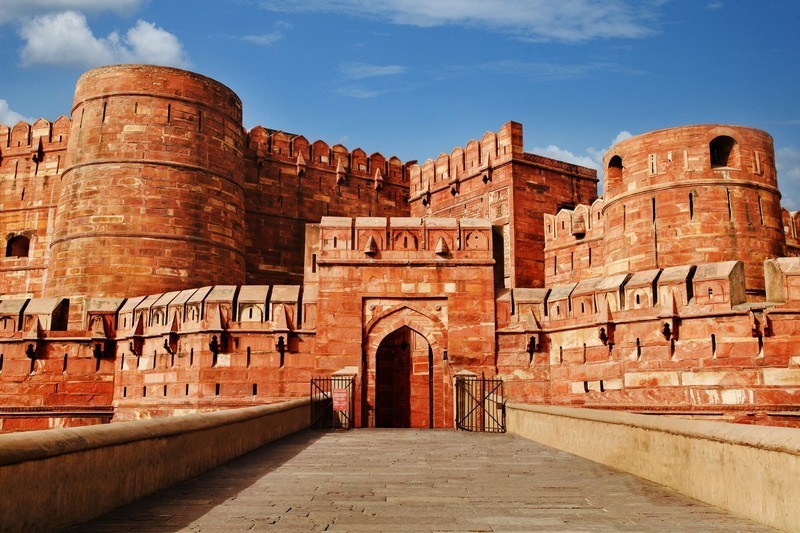
The Tomara dynasty, also known as the Tuar, was a significant Rajput power that established the foundations of Delhi as a political and administrative center. Rising to prominence in the 8th century CE, the Tomaras are historically credited with the foundation of Dhillika, modern-day Delhi, which evolved into a pivotal city in the medieval political landscape.
Key Rulers and Consolidation
The dynasty’s early history is largely reconstructed through later medieval texts, bardic traditions, and epigraphic evidence. Anangpal I Tomar: Traditionally regarded as the founder of the dynasty in the Delhi region, he is credited with establishing Dhillika (Delhi) as the seat of power during the 8th century CE. Anangpal II Tomar: One of the most influential rulers of the dynasty, he is credited with the construction of the Lal Kot fort and the expansion of the kingdom. His reign solidified the Tomara control over the strategic region connecting the Aravalli range to the Gangetic plains. Tejpala and Madanapala: These were among the later rulers of the dynasty under whom the Tomara power began to face increasing pressure from the rising Chahamana dynasty of Ajmer.
Territorial Extent and Strategic Significance
The Tomara kingdom encompassed the area known as Hariyanaka (modern-day Haryana) and the surrounding regions of Delhi. Strategic Location: The Tomara territory acted as a buffer zone between the Rajput states of Rajasthan and the burgeoning power centers in the Gangetic Doab. The control over the Delhi ridge provided a natural defensive advantage. Trade Connectivity: The region served as a vital transit point for trade routes originating from the western coast of Gujarat and Rajasthan, moving toward the prosperous cities of the Gangetic valley.
Administration and Military Structure
The Tomara administration mirrored the decentralized feudal structure prevalent among North Indian Rajput states of the early medieval period. Feudal Hierarchy: The king exercised authority through a network of subordinate chiefs and landholders. Land grants were issued to military commanders and officials to ensure the availability of troops during wartime. Military Composition: The Tomara military relied on a robust cavalry and infantry force. The construction of fortifications, such as the Lal Kot, suggests an emphasis on defensive warfare and the protection of administrative hubs.
Conflict with the Chahamanas
The later period of the Tomara dynasty was defined by their increasingly contentious relationship with the Chahamanas (Chauhans) of Shakambhari. Chahamana Expansion: By the mid-12th century, the Chahamana ruler Vigraharaja IV (Visaladeva) aggressively expanded his kingdom, eventually capturing Delhi from the Tomaras. Loss of Sovereignty: The transition of power from the Tomaras to the Chahamanas was a significant geopolitical shift. The Tomaras were reduced to the status of feudatories under the Chahamana crown, eventually losing their independent political identity.
Architectural and Cultural Legacy
The Tomaras contributed significantly to the early architectural heritage of Delhi. Lal Kot: The oldest known fort in Delhi, the Lal Kot, was constructed by the Tomaras. It served as a prototype for later defensive structures in the region. Anang Tal: This water reservoir, attributed to Anangpal II, demonstrates the Tomara focus on urban water management, a critical aspect of city planning in the arid regions of North India. Temple Architecture: Archaeological findings in the vicinity of Delhi indicate that the Tomaras were patrons of temple architecture, often integrating motifs from the contemporary Nagara style prevalent in Rajasthan.
Decline and Historical Impact
The decline of the Tomara dynasty was tied to the broader fragmentation of North Indian political power in the face of internal rivalries and external threats. External Pressures: The weakening of the Tomaras made them an easy target for regional challengers like the Chahamanas, who sought to control the strategically important Delhi region. The Sultanate Transition: The legacy of the Tomaras served as a foundation for subsequent dynasties. When the Ghurids captured Delhi in 1192 CE, they inherited a city that had already been established as a center of political authority by the Tomaras and later the Chahamanas.
Key Facts for UPSC Prelims
| Feature | Details |
| Core Region | Delhi (Dhillika) and Haryana (Hariyanaka) |
| Founder | Anangpal I |
| Major Fortress | Lal Kot |
| Dynastic Status | Independent Rajput power, later feudatories to Chahamanas |
| Primary Rival | Chahamanas of Shakambhari |
| Significance | Established Delhi as a primary political center |
UPSC Trivia for Prelims
The Delhi Iron Pillar, an ancient metallurgical marvel, is associated with the Tomara period in Delhi, although the pillar itself is of much older origin, dating back to the Gupta era. The transition from Tomara to Chahamana rule is recorded in inscriptions and later Sanskrit literature, such as the Prithviraja Vijaya. The Tomara period in Delhi is crucial for understanding the urban evolution of the city, which evolved from a series of fortified camps into a structured administrative capital by the time of the Delhi Sultanate.
Last Modified: June 17, 2026