
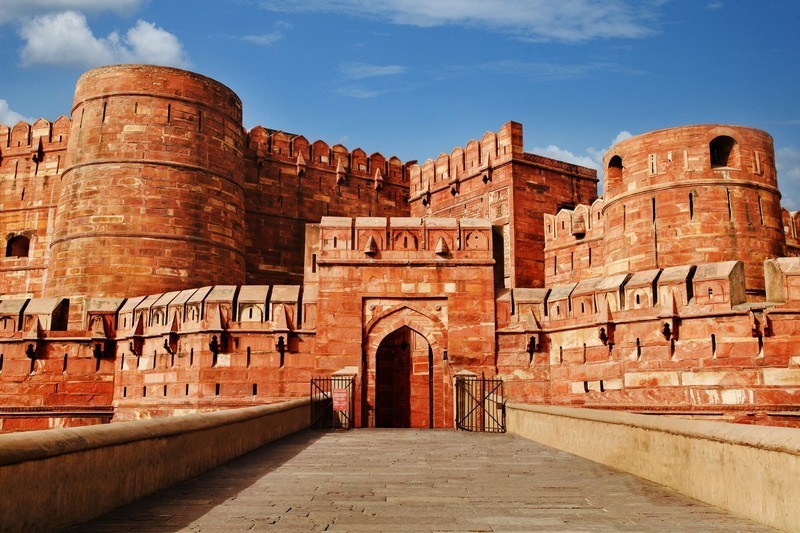
The temple architecture of the Vijayanagara Empire (1336–1646 CE) represents the culmination of South Indian temple architecture. It synthesized elements from preceding dynasties—predominantly Chola, Pandya, Hoysala, and Chalukya styles—into a unique aesthetic known as the Vijayanagara style. The architecture was heavily influenced by the empire’s constant military mobilization, resulting in massive, fortress-like enclosures. Local hard granite was chosen as the primary building material due to its abundance and structural durability, replacing the soft soapstone previously favored by the Hoysalas.
Dynastic Phases of Temple Construction
Temple construction evolved across four major ruling periods, shifting from traditional early structures to highly ornamental complexes:
| Dynasty Phase | Architectural Evolution & Focus | Representative Temple Examples |
| Sangama Phase (1336–1485 CE) | Followed Deccan and Kadamba-Chalukya lines; featured stepped pyramidal shikharas and modest stone enclosures. | Early structures of the Virupaksha Complex; Hemakuta Hill Jain temples. |
| Saluva Phase (1485–1505 CE) | Increased elaboration of internal pillared halls and scaling up of concentric enclosure walls. | Initial phases of the Hazara Rama and early multi-pillared mandapas. |
| Tuluva Phase (1505–1570 CE) | The golden age of Vijayanagara art; introduced musical pillars, monolithic rock-cut sculptures, and expansive Kalyana Mandapas. | Vitthala Temple Complex; Achyutaraya Temple; Krishna Temple. |
| Aravidu Phase (1570–1646 CE) | Post-Hampi collapse; construction shifted south, featuring exaggerated gopurams and extended corridors. | Temples at Penukonda, Chandragiri, and Vellore. |
Distinctive Architectural Components
Raya Gopurams (Imperial Gateways)
Vijayanagara rulers constructed monumental entrance gateways called Raya Gopurams to project imperial majesty. These structures feature a massive, broad base constructed of solid dressed granite blocks. The upper superstructures are built using brick and stucco, rising in multiple receding tiers decorated with terracotta figures of deities, mythical animals, and royal figures. These gopurams often completely dwarfed the central sanctum sanctorum (garbhagriha), shifting the visual focus of the complex to the exterior entrance.
Kalyana Mandapas and Pillared Halls
The introduction of the Kalyana Mandapa (ornate marriage hall) inside the temple enclosure is a defining innovation of this era. These open pavilion structures were designed to celebrate the ritual wedding of the temple’s presiding deity with his consort.
- Composite Pillars: The pillars are carved from single blocks of granite and feature highly complex iconography. They frequently depict a central rearing Yali (a mythical animal combining features of a lion, elephant, and horse) ridden by a warrior, with miniature decorative pillars (upapithas) carved around the main shaft.
- Ornate Ceilings: The interiors feature deeply recessed ceilings carved with inverted lotus motifs, geometric patterns, and relief panels depicting scenes from the Puranas.
Amman Shrines and Concentric Prakaras
The Vijayanagara style standardized the inclusion of a dedicated, structurally independent shrine for the primary deity’s female consort, known as the Amman Shrine, located to the northwest of the main sanctum. Temple complexes were systematically planned within multiple rectangular, concentric enclosure walls (Prakaras). These walls were built using dry masonry techniques without mortar, relying on precisely drafted interlocking stone blocks.
Chronological Breakdown of Major Temple Complexes
Virupaksha Temple Complex
The Virupaksha Temple, dedicated to Shiva as the patron deity of the empire, is the oldest functioning religious site in Hampi.
- Structural Growth: Originally a modest shrine dating back to the 7th century, it was expanded into an imperial complex by the Sangama and Tuluva rulers.
- The Krishna Deva Raya Gopuram: Built in 1510 CE to mark the emperor’s coronation, this primary eastern gateway rises to nine tiers (50 metres).
- The Ranga Mandapa: A multi-pillared central hall added by Krishna Deva Raya, featuring ceiling frescoes that depict the marriage of Shiva and Parvati, Arjuna hitting the fish eye target, and the processions of the saint Vidyaranya.
Vitthala Temple Complex
The Vitthala Temple represents the absolute zenith of the Tuluva architectural style. Dedicated to Vitthala, a manifestation of Vishnu, its construction began under Deva Raya II and peaked during the reign of Krishna Deva Raya.
- The Stone Chariot: Positioned in the central courtyard, this structure is a miniature shrine designed to mimic a processional wooden chariot, dedicated to Garuda. Its stone wheels are structurally independent and were originally capable of rotating.
- The Musical Pillars (Maha Mandapa): The main hall contains 56 monolithic pillars known as the musical pillars. Each main pillar is surrounded by seven slender sub-pillars which emit distinct acoustic frequencies corresponding to Indian classical musical notes when tapped.
Hazara Rama Temple
Constructed during the early 15th century by Deva Raya I, the Hazara Rama Temple served as the private place of royal worship within the Royal Enclosure.
- Bas-Relief Narratives: The interior and exterior walls contain thousands of detailed bas-reliefs arranged in horizontal bands. These illustrations depict a chronological narration of the Ramayana and the Krishna Leela.
- Polished Black Basalt Pillars: The inner mandapa features four highly polished, dark basalt pillars carved with relief sculptures of Vishnu avatars, standing out against the granite structure.
Krishna and Achyutaraya Temples
- Krishna Temple: Commissioned by Krishna Deva Raya in 1513 CE to commemorate his military victory over the Gajapati Kingdom of Odisha. The temple complex is notable for its vast market street (bazaar) flanked by stone pillared pavilions and a massive sacred tank (Pushkarani).
- Achyutaraya Temple (Tiruvengalanatha): Built under the patronage of Achyuta Deva Raya, this temple is situated in a valley between the Matanga and Hemakuta hills. It features a rare double-enclosure (prakara) design with exceptionally wide processional chariot streets.
Regional Manifestations and Peripheral Architecture
The Lepakshi School (Veerabhadra Temple)
Located in the Anantapur district of Andhra Pradesh, the Veerabhadra Temple at Lepakshi is a major regional monument of the Vijayanagara period, built by the brothers Virupanna andanna during the reign of Achyuta Deva Raya.
- Mural Paintings: The temple houses the finest surviving examples of Vijayanagara mural art. The ceilings are covered with natural pigment paintings depicting the Puranic stories of Shiva, featuring distinct profile profiles and elongated eyes.
- The Hanging Pillar: A structural marvel in the main assembly hall where the base of a massive granite pillar does not touch the ground, leaving a narrow gap that allows thin fabrics to pass completely underneath.
- Monolithic Nandi: Located nearly 200 metres from the temple complex is a monolithic Nandi (Shiva’s bull), carved from a single granite ridge, measuring 4.5 metres high and 8.2 metres long.
Seringapatam and Chidambaram Contributions
The empire extended its architectural style deep into the Tamil and southern Karnataka regions. At Chidambaram (Nataraja Temple), the Vijayanagara emperors renovated and heightened the northern Raya Gopuram, adding explicit relief panels of their own likenesses. In Seringapatam, the Ranganathaswamy Temple was heavily fortified and expanded with massive, multi-pillared halls that mirrored the layouts used at Hampi.
Technical Innovations and Ritual Framework
Hydraulic Infrastructure of Temples
Every major temple complex in the Vijayanagara Empire was structurally paired with an advanced water system. Deep, stepped stone tanks called Pushkaranis were fed by a network of stone aqueducts connected to the Tungabhadra River or municipal reservoirs like the Kamalapura Tank. These tanks were lined with finished green chloritic schist blocks and featured symmetrical, stepped geometric layouts used for ritual purification ceremonies and temple float festivals (Teppotsavam).
Epigraphical Records and Socio-Economic Functions
Temples in the Vijayanagara Empire functioned as powerful socio-economic institutions rather than just religious shrines:
- Land and Wealth Distribution: Inscriptions (Shasanas) reveal that the state made large land grants (Devadana) to temples. The temple authorities managed these lands, invested in irrigation projects, and acted as institutional banks lending capital to local assemblies.
- Employment Centers: The epigraphical records at the Vitthala temple detail the employment of hundreds of individuals, including temple dancers (Devadasis), musicians, stonemasons, accounts managers, and flower-gatherers, integrating the temple into the local agrarian economy.
Key Historical Trivia for Civil Services Preparation
- The Patron Deity Signature: All official royal decrees and land grants issued by the Vijayanagara kings, regardless of language (Sanskrit, Telugu, or Kannada), concluded with the signature phrase “Sri Virupaksha” written in the Kannada script.
- The Monolithic Ugra Narasimha: This 6.7-metre statue was commissioned by Krishna Deva Raya in 1528 CE. It originally featured a small statue of the goddess Lakshmi seated on Narasimha’s lap, which was destroyed during the 1565 sack of Hampi; the broken hand of Lakshmi is still visible on the deity’s waist.
- The Badavilinga Legend: Located next to the Narasimha monolith, this 3-metre-tall Shiva Linga stands permanently in water. It gets its name from the local word Badava (poor), as it was commissioned by a poor peasant woman.
- The Kudure Konda Pillars: Several pillars in the Vitthala and Krishna temples feature distinct carvings of foreign horse traders (Persians and Portuguese), highlighting the direct relationship between imperial trade and temple financing.