
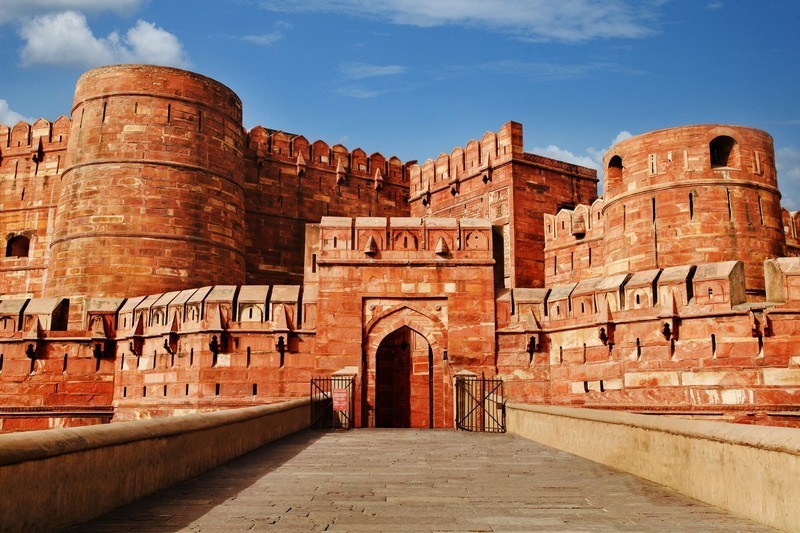
The medieval period in India witnessed a decentralization of architectural patronage from imperial centers to regional kingdoms. This shift was deeply influenced by the democratic socio-religious reach of the Bhakti and Sufi movements. Architecturally, this era represents an evolutionary transition where West Asian structural mechanics—specifically the arcuate system (true arches, vaults, domes, and lime-mortar binding)—fused with indigenous trabeate traditions (beam-and-lintel configurations, corbelled brackets, and mortarless stone masonry). This cross-cultural synthesis produced highly specialized provincial schools of architecture, each adapted to local materials, topographies, and regional expressions of devotion.
Taxonomic Profile of Regional Architectural Schools
The expansion of regional dynasties across the Indian subcontinent led to the codification of several distinct provincial architectural styles.
The Bengal School (13th to 16th Century)
Centered around the historic capitals of Gaur, Pandua, and Malda, the Bengal School was heavily defined by the deltaic terrain and the scarcity of structural stone.
- Material Technology: Builders substituted stone with locally manufactured, high-matured kiln-burnt red bricks, bound by specialized lime mortar.
- Surface Decoration: Monumental walls were embellished with low-relief terracotta panels depicting local flora, fauna, and abstract geometric patterns.
- Roofing Innovations: The school introduced the characteristic Bangla roof, which featured curved eaves and cornices modeled directly after the flexible bamboo thatched huts of the Bengal countryside. This style was later adopted by Mughal architects in Agra and Delhi.
- Key Structural Typologies: The style is divided into continuous wall structures and multi-domed congregational spaces, utilizing structural stone pillars salvaged from older regional monuments to support massive brick vaults.
The Western Indian School: Gujarat (14th to 16th Century)
The Gujarat provincial school represents a complete structural integration of Islamic spatial layouts with the highly sophisticated craftsmanship of indigenous Jain temple architects.
- Structural Synthesis: Mosques and tombs utilized the slender pillars, ornate horizontal architraves, and intricately carved lintels characteristic of the traditional Solanki or Maru-Gurjara style.
- Aesthetic Features: Stone-carving traditions reached their peak through the development of delicate stone Jali (lattice) windows. These screens featured complex biological patterns, such as the tree-of-life motif, which also served a functional purpose by reducing solar heat and filtering bright sunlight.
- Minaret Architecture: Shrines featured tall, slender minarets ornamented with multiple tiers of carved balconies supported by heavy corbelled stone brackets.
The Central Indian School: Malwa (15th to 16th Century)
Operating within the rocky tablelands of Mandu and Dhar, the Malwa School prioritized structural mass, color contrast, and environmental integration.
- Material Pluralism: Architects used combinations of locally quarried pink and yellow sandstones, accented with white marble overlays and brightly colored glazed ceramic tiles.
- Structural Engineering: Buildings featured massive, battered (sloping) walls to increase structural stability, massive open flights of steps leading to elevated plinths, and large minarets.
- Climatic Architecture: The school specialized in thermal regulation systems. Structures were built around extensive artificial lakes, stepwells, and internal water pavilions designed to maximize evaporative cooling.
The Eastern Frontier School: Jaunpur (14th to 15th Century)
Patronized by the Sharqi dynasty, the Jaunpur style developed a monumental, fortress-like aesthetic that rejected contemporary styles from Delhi.
- The Propylaea Pylon: The defining feature of this school was the massive, sharply sloped rectangular pylon gateway built in front of the central prayer hall. These towering facades were decorated with multiple tiers of blind arches, clear calligraphic inscriptions, and geometric moldings.
- Structural Layout: The central dome of the mosque was positioned directly behind the massive pylon entrance, making it invisible from the main front courtyard.
The Deccani School (14th to 17th Century)
Spanning the vast plateau under the Bahmani Sultanate and its successor states (Bijapur, Golconda, Ahmadnagar, Bidar, and Berar), this school combined North Indian, Persian, Turkish, and South Indian architectural traditions.
- The Bulbous Dome: Structures featured large, bulbous, onion-shaped domes that sat inside a collar of stylized stone lotus petals at the base.
- Scale and Engineering: Deccani engineers pushed the boundaries of structural scale, constructing massive, unsupported interior spaces using intersecting arches.
- Surface Rendering: Walls were decorated using Persian-style glazed tile mosaics, deep plaster relief work, and dark basalt stone accents.
Comparative Analytical Matrix of Provincial Architectural Forms
| Provincial School | Primary Materials | Key Diagnostic Engineering Feature | Syncretic / Cultural Element | Representative Monuments |
| Bengal | Kiln-burnt bricks, Terracotta, Bamboo-style stone eaves. | Curved Bangla cornices; multi-domed low roofs. | Incorporates local folk thatch designs into permanent brick monuments. | Adina Mosque (Pandua); Eklakhi Mausoleum; Qadam Rasul (Gaur). |
| Gujarat | Fine-grained Sandstone, White Marble. | Ornate stone Jali screens; carved horizontal lintels on pillars. | Direct deployment of Jain temple artisans to construct Islamic prayer halls. | Sidi Saiyyed Mosque (Ahmedabad); Jama Masjid (Champaner). |
| Malwa | Colored Sandstones, Marble, Glazed Ceramic Tiles. | Sharply sloping walls (Batter); large integrated cooling pools. | Architectural orientation around landscape and water management. | Jahaz Mahal; Hindola Mahal; Hoshang Shah’s Tomb (Mandu). |
| Jaunpur | Chunar Sandstone, structural iron clamps. | Massive sloped central pylon gateways (Propylaea). | Use of carved pillars showing structural continuity with regional stone traditions. | Atala Masjid; Lal Darwaza Mosque; Jama Masjid (Jaunpur). |
| Deccan | Dark Basalt, Granite, Lime Stucco plaster. | Bulbous domes with lotus-petal bases; grand intersecting vault arches. | Blends Persian Muqarnas corbeling with South Indian stone-carving styles. | Gol Gumbaz (Bijapur); Charminar (Hyderabad); Mahmud Gawan Madrasa (Bidar). |
Institutional Structures of the Sufi and Bhakti Landscape
The rise of the Sufi Silsilas and Bhakti lineages created new institutional spaces that mixed spiritual practice with public welfare.
The Architecture of the Khanqah (Hospice)
A Khanqah was a self-sustaining monastic complex that served as the primary operational center for Sufi orders. Its spatial layout was organized around a large central open courtyard (Sahn) to support community activities.
- The Jamaat Khana: A massive, un-pillared communal hall where disciples gathered for daily prayers, theological study, and spiritual discourses.
- The Hujra: Small, low-ceilinged, poorly lit meditation cells built along the outer perimeter of the complex to provide isolation for individual spiritual retreats.
- The Langar Khana: An institutional kitchen engineered with large clay ovens (Tandoors) and storage granaries to distribute free food daily to the public, funded by unsolicited charitable donations (Futuh).
The Evolution of the Dargah Complex
When a prominent Sufi saint passed away, their burial site evolved into a Dargah (shrine complex), becoming a major pilgrimage destination. Over time, these sites were expanded with state and local patronage.
- The Mazar: The central tomb chamber containing the saint’s gravesite, typically topped by a true hemispherical dome and surrounded by stone or marble Jali screens to facilitate circumambulation (Ziyarat).
- The Sama Khana: A specialized assembly hall built next to the tomb chamber, designed with specific acoustic properties to enhance solo vocals and repetitive choral rhythms during Sama and Qawwali gatherings.
- The Buland Darwaza / Entry Pylons: Monumental entry gateways built by rulers to display state reverence and mark the boundary between the secular world and the sacred shrine space.
Bhakti Monasticism: Sattras and Namghars of Assam
In eastern India, the neo-Vaishnavite movement led by Srimanta Sankardev created a unique regional style of institutional architecture in Assam.
- The Sattra Complex: A self-contained monastic village that functioned as a center for religion, agriculture, and the arts.
- The Namghar: The central congregational prayer hall within a Sattra. It was built as a long, open-sided rectangular structure with a thatched or tiled gabled roof, supported by sturdy wooden pillars. Instead of holding a central stone idol, the Namghar placed a holy manuscript on a tiered wooden altar (Guru Asana) at its eastern end, prioritizing text and congregational chanting over traditional image worship.
Engineering Inventions and Hydraulic Innovations
The construction of large regional religious and political complexes required advancements in structural engineering, water management, and materials chemistry.
Advanced Structural Mechanics: The Squinch and Pendentive
To support massive, heavy stone domes over large square rooms, regional builders used two primary structural mechanisms to transition from a square base to a circular ceiling.
- The Squinch Arch: A structural arch built diagonally across the upper corners of a square room, transforming the square into an eight-sided octagon that could support the round base of a dome.
- The Pendentive: A triangular piece of vaulting that curved inward from the corners of the walls to meet the circular rim of the dome, distributing its immense weight downward into the main corner pillars.
Hydraulic Engineering and Water Systems
To support thousands of pilgrims during festivals, regional architectural schools developed sophisticated water-harvesting systems.
- Baolis (Stepwells): Multi-tiered underground water storage reservoirs built deep into local rock layers. They featured stone steps leading down to the water table, along with subterranean structural galleries that offered cool resting spaces for travelers (e.g., the Adalaj Stepwell in Gujarat).
- Hauz (Reservoirs) and Sluice Systems: Large artificial lakes built with masonry retaining walls and terracotta pipe networks to collect and channel rainwater directly into the kitchens and bathhouses of nearby monastic and palace complexes (e.g., the water networks of Mandu).
Metallurgy and Materials Chemistry
- Lime Mortar Processing: The widespread adoption of high-quality lime mortar (Chunam or Gach) allowed for the quick construction of strong stone and brick rubble cores, which were then faced with fine sandstone or marble panels.
- Structural Iron Clamping: In areas prone to earthquakes, builders used I-shaped iron clamps and molten lead joints to lock adjacent stone blocks together, preventing walls from shifting during seismic events.
- The Lost-Wax Method (Cire Perdue): This casting technique was refined to produce large bronze and copper-alloy doors, ornamental handles, and processional lamps used in regional temples, mosques, and shrines.
Scriptorium Conservation Networks
The high demand for making copies of texts like the Malfuzat (Sufi discourses) and Bhakti poetry led to advancements in document preservation. Scribes recorded texts on thick, locally made cotton paper (Tulapat). To safeguard these manuscripts from humidity and wood-boring insects within monastic libraries, scholars mixed Harital (yellow arsenic sulfide) into their black inks, which functioned as a highly effective anti-fungal shield and permanent insecticide.
Comprehensive Historical Trivia and Fact Sheet
- The Whispering Gallery of Gol Gumbaz: The interior acoustic system of the Gol Gumbaz in Bijapur is engineered so that a whisper against the wall can be heard clearly on the opposite side of the dome, nearly 38 meters away. The structure achieves this through a series of intersecting stone arches that bounce sound waves continuously along the circular gallery.
- The Serpentine Struts of Fatehpur Sikri: The white marble tomb of Sheikh Salim Chishti features unique S-shaped serpentine brackets (Serpentine Struts). These elements were derived directly from the wood and stone architecture of Gujarati temples, demonstrating the movement of specialized regional artisans to the central Mughal courts.
- The Brick Matrix of the Adina Mosque: Built in Pandua, Bengal, by Sikandar Shah, this mosque was one of the largest congregational spaces in the subcontinent. It featured 260 domes supported by a vast network of brick vaults, demonstrating how regional brick architecture could achieve monumental scale without using solid stone blocks.
- The Sloping Towers of Tughlaq-Malwa Influence: The sharp slope or Batter seen in the walls of Hindola Mahal in Mandu creates the optical illusion that the building is swaying, earning it the name “Swing Palace.” This engineering technique was adopted from early Tughlaq military architecture to reinforce walls against the lateral pressure of heavy vaulted stone ceilings.
- The Monolithic Sahi Shrines of Jaunpur: The stone pylons of the Sharqi monuments in Jaunpur were built using large stone blocks held together by internal iron rods driven deep into the masonry. This technique allowed these thin, towering facades to remain upright without requiring thick rear buttresses.