
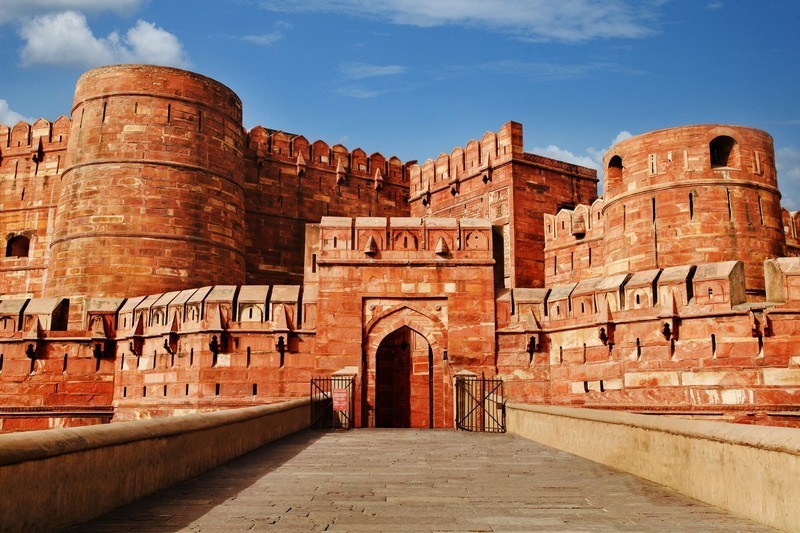
Vijayalaya Chola (reigned c. 850–871 CE) is historically credited with the revival of the Chola dynasty, ending the long period of obscurity following the Sangam Age. As a former feudatory of the Pallavas, his military successes in the Kaveri delta laid the foundation for the subsequent Imperial Chola Empire.
Transition from Feudatory to Sovereign
- Before his rise, the Chola territory was under the control of the Muttaraiyar chieftains, who functioned as vassals to the Pallavas.
- In approximately 850 CE, Vijayalaya took advantage of the ongoing conflict between the Pallavas and the Pandyas to capture Thanjavur.
- By seizing Thanjavur, he established a strategic stronghold in the fertile Kaveri river basin, which became the political and economic center of the nascent Chola state.
- Following the capture of Thanjavur, he declared independence from his Pallava overlords and assumed the title of the ruler of the Chola kingdom.
- His victory marked the definitive shift of power in the Tamil region from the Pallavas and Pandyas toward the rising Chola lineage.
Strategic Foundation for Imperialism
- Vijayalaya’s capture of Thanjavur is considered the most significant milestone in the early medieval history of the Chola dynasty.
- He transformed Thanjavur from a minor town into a vibrant capital, initiating the tradition of royal architecture that his successors would later refine.
- He built a temple dedicated to the goddess Nishumbhasudini (a form of Durga) in Thanjavur, emphasizing the dynasty’s commitment to religious patronage as a tool of royal legitimacy.
- His reign provided the necessary administrative stability and regional control that allowed his son, Aditya I, to expand the kingdom further and annex the remaining Pallava territories.
Summary of Early Chola Revival
| Feature | Details |
| Reign Period | c. 850–871 CE |
| Capital Established | Thanjavur |
| Initial Status | Feudatory to the Pallavas |
| Notable Achievement | Defeated the Muttaraiyars to capture Thanjavur |
| Successor | Aditya I |
Historical Significance for UPSC Prelims
- The revival of the Chola dynasty under Vijayalaya is often categorized by historians as the beginning of the “Imperial Chola” period, distinguishing it from the earlier Sangam period and the subsequent middle-period struggles.
- His conquest of Thanjavur is the primary entry point for studying the Chola dynasty’s expansion into a pan-South Indian power.
- The transition from vassal status to an independent sovereign was typical of the political flux in the 9th-century South Indian landscape, where regional dynasties emerged by capitalizing on the decline of the Pallava and Pandya empires.
- Vijayalaya’s focus on the Kaveri delta ensured that the Cholas controlled the most agriculturally productive zone in the Tamil country, which became the engine for the later economic prosperity of the Chola state.
Key Trivia
- Vijayalaya is referred to as the founder of the Medieval or Imperial Chola dynasty.
- The capture of Thanjavur was not merely a military victory but a symbolic act that challenged the existing power hierarchy between the Pandyas and the Pallavas.
- The temple built for Nishumbhasudini serves as primary epigraphic and architectural evidence for the start of his reign and his religious affiliations.