
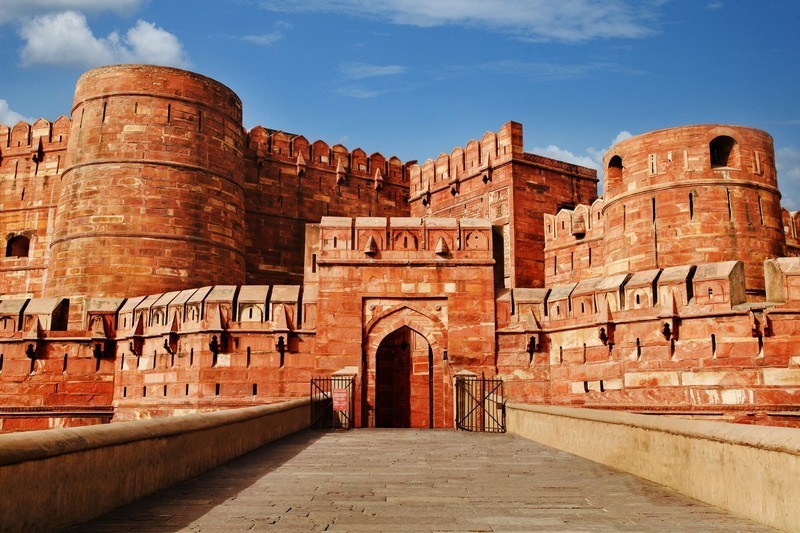
The transition of power in medieval India following the Ghurid invasions (late 12th century) was not merely a result of military victory but a consequence of distinct tactical, organizational, and technological disparities between the invading Ghurid forces and the regional Indian powers. The following factors collectively explain the success of Turkish expansion.
Tactical Superiority of Turkish Cavalry
The Turkish military machine relied on highly mobile, horse-archer-based cavalry units that dictated the tempo of warfare.
- Mobile Archery: Turkish cavalry utilized the composite bow, which provided superior range and accuracy compared to the bows used by Indian infantry.
- Speed and Maneuverability: The use of lightweight armor and hardy, fast horses allowed Turkish forces to outmaneuver the slower, elephant-dependent Indian armies.
- Feigned Retreat: Turkish commanders frequently utilized the “feigned retreat” tactic to lure Rajput forces out of disciplined defensive formations, subsequently encircling and destroying them with concentrated archery fire.
Organizational and Leadership Structure
The Turkish forces operated under a centralized, meritocratic command structure, contrasting with the decentralized, feudal organization of the Rajput states.
- Centralized Command: The Ghurid Sultanate maintained a clear chain of command, allowing for rapid decision-making and strategic coordination during campaigns.
- Meritocratic Military (Mamluk System): The reliance on Bandagan (military slaves) ensured a professional, loyal, and battle-hardened officer class whose careers were tied directly to the Sultan’s success.
- Continuous Recruitment: By maintaining active connections to Central Asian recruitment networks, the Turks ensured a steady supply of veteran warriors, preventing the military depletion that often plagued regional Indian kingdoms after a lost battle.
Weaknesses in the Indian Defensive Model
The Rajput political and military landscape suffered from structural vulnerabilities that facilitated the Turkish consolidation of power.
- Fragmentation: India was divided into independent, often competing kingdoms (Chauhans, Gahadavalas, Chaulukyas). Lack of a unified defense prevented the creation of a collective front against the Ghurid threat.
- Tactical Rigidity: The Indian defensive strategy relied heavily on static fortifications and the use of war elephants. Elephants, while powerful, became significant liabilities when spooked by fire or archery, often causing chaos within their own ranks.
- Feudal Levy Limitations: Indian armies were largely composed of feudal levies (Samanta system) rather than a standing professional army. This made mobilization slow and depended on the fluctuating political loyalty of regional lords.
Comparison of Military Philosophies
| Feature | Turkish Model | Rajput/Indian Model |
| Military Focus | Cavalry and Horse Archery | Infantry and War Elephants |
| Command Structure | Centralized and Autocratic | Decentralized and Feudal |
| Tactical Approach | Hit-and-Run; Strategic Mobility | Frontal Assault; Heroic Combat |
| Recruitment | Professional Slave-Soldier System | Hereditary/Clan-based Levies |
| Strategic Goal | Imperial Expansion | Preservation of Regional Sovereignty |
Logistical and Intelligence Advantages
The Turkish success was further bolstered by superior logistical management and information warfare.
- Intelligence Networks: The Turks employed a sophisticated network of scouts and spies, providing commanders with real-time knowledge of local terrain and enemy troop movements.
- Strategic Urbanization: The Turks prioritized the capture and fortification of key urban nodes (Qasbahs), which served as secure logistical bases for sustained military operations.
- Economic Centralization: The adoption of the Iqta system allowed for the systematic extraction and management of resources, ensuring that campaigns were financially sustainable over multiple seasons.
Key Battles and Strategic Turning Points
- Battle of Kayadara (1178 CE): A rare, early defeat for the Ghurids in Gujarat, proving that the Turkish force was not invincible, though it failed to halt the broader expansion.
- First Battle of Tarain (1191 CE): Prithviraj Chauhan’s victory highlighted the potential of Indian armies when effectively led, but the failure to capitalize on this win allowed Ghori to regroup.
- Second Battle of Tarain (1192 CE): The decisive engagement where Turkish tactics of encirclement and superior cavalry mobility overwhelmed the Rajput forces, marking the end of effective resistance in the Indo-Gangetic heartland.
- Battle of Chandawar (1194 CE): The defeat of the Gahadavala ruler Jayachandra eliminated the last major power center in North India, effectively consolidating Turkish control.
Crucial Historical Trivia
- The term Mamluk signifies a professional soldier who was born to non-Muslim parents and underwent rigorous conversion and military training, distinct from chattel slaves.
- While the elephant was an iconic symbol of Indian power, historical records from the period frequently note that they were the primary cause of disorder within Indian lines when under intense arrow fire.
- The transition from the Ghurid Empire to the Delhi Sultanate in 1206 CE was unique in medieval history, as it represented the first instance of a subordinate military elite (the Mamluk generals) assuming sovereign control over a vast conquered territory following the death of their master.